Pale Olive Skin Tone: Characteristics, Undertones, and Skin Charts
Pale olive skin is one of the most misunderstood complexion categories in beauty. Fair olive skin has a greenish-yellow undertone at a lighter depth, which distinguishes it from both standard fair skin and deeper olive tones. Understanding undertone skin concepts is essential for selecting the right foundation, clothing colors, and makeup. A pale olive skin tone sits at a specific position on any comprehensive skin chart, and knowing where you fall clarifies product selection enormously. For contrast, a black skin tones chart shows how similar undertone logic applies across darker complexions.
This guide explains what pale olive skin is, how to identify it, and what it means for beauty decisions.
What Is Pale Olive Skin and How Does It Differ from Fair Skin
Pale olive skin is a light complexion that carries a greenish-yellow (olive) undertone. The “pale” designation refers to depth: this is a lighter version of olive, not dark, but not as light as Northern European fair skin either.
Standard fair skin typically has either a cool (pink) or warm (peachy-gold) undertone. Pale olive skin sits apart from both because of the specific greenish cast. This is why pale olive people often struggle with foundations that read “light” or “fair” on the label: most are calibrated for pink or peachy undertones, while olive needs something different.
Common heritage backgrounds associated with fair olive skin include parts of Southern Europe (Italian, Greek, Spanish), Middle Eastern, some Latin American, and some Central Asian populations. It can also appear in mixed heritage complexions.
How Do You Identify Pale Olive Skin Versus Other Fair Tones
Several tests help identify pale olive skin:
The Vein Test
Look at the veins on your inner wrist in natural light. Olive skin tends to produce veins that look green rather than blue-purple. If your veins read clearly green, olive is likely. Blue-purple veins suggest cool undertones; a mix may indicate neutral.
The Foundation Slide
Apply a foundation labeled “light cool” and one labeled “light warm” to your jawline in natural light. If both look off (the cool reads too pink, the warm reads too yellow-orange without the right blend), you likely have an olive undertone that requires a specifically N/W or neutral-warm shade.
The Reaction to Sun
Pale olive skin tends to tan easily and rarely burns, unlike fair cool skin which tends to burn first. Tanning quickly without burning is a hallmark of olive skin, even at lighter depths.
What Undertone Does Pale Olive Skin Have
Pale olive skin has a neutral-warm undertone with a specific greenish component. This is distinct from simply “warm” (which would be purely golden or peachy) and from “neutral” (which would be a balanced mix). The green undertone comes from the combination of yellow and blue-tinged melanin in the skin.
In cosmetics, this typically means you need foundations and concealers in neutral-warm shades, often labeled N (neutral), NW (neutral-warm), or W (warm). Pink-based foundations, labeled C (cool) or P (pink), will look visibly mismatched on pale olive skin, often appearing too pink or too ashy.
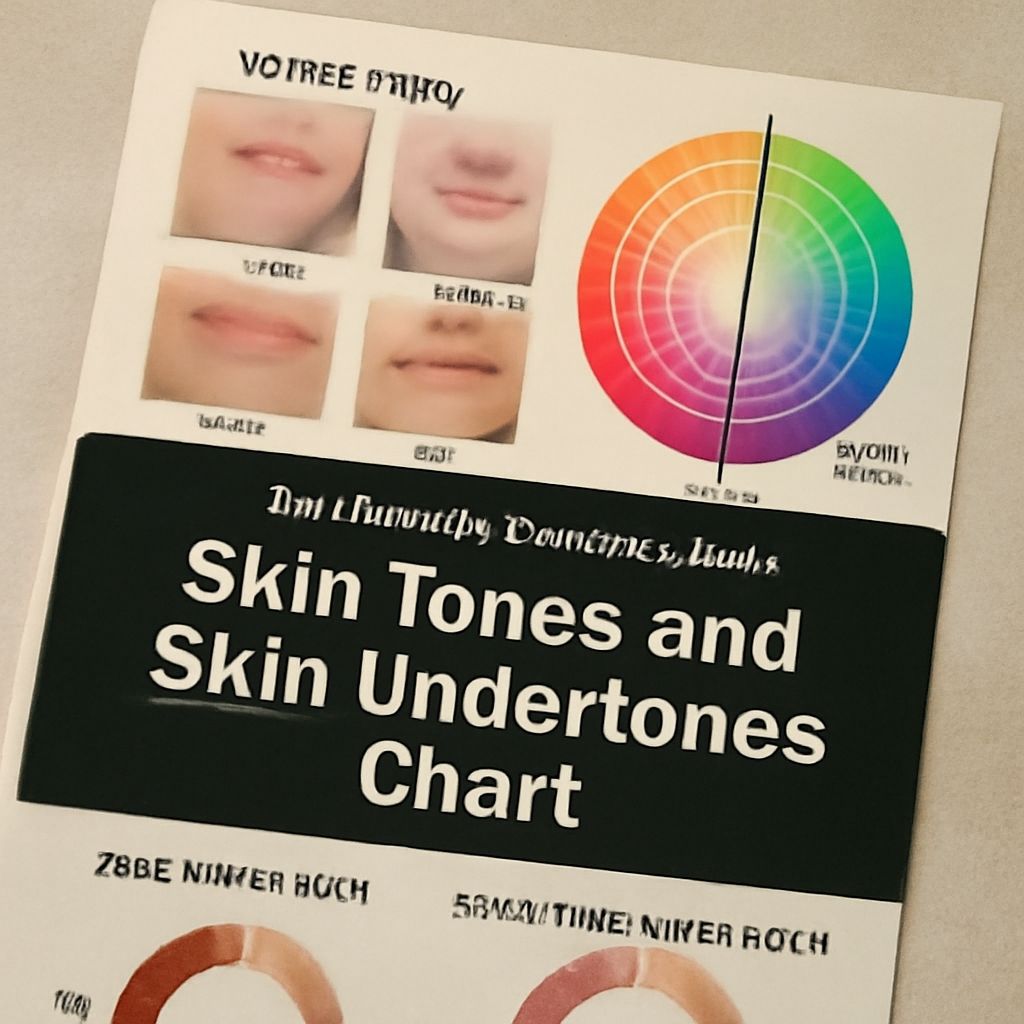
Where Does Pale Olive Fit on Skin Tone Charts
On the Fitzpatrick scale, pale olive skin typically falls in Type III or Type IV range, meaning it tans easily, may burn slightly, and has moderate pigmentation. This scale doesn’t capture undertone, however.
On undertone-based skin tone charts like those used by many foundation brands, pale olive skin appears in the light-to-medium neutral-warm category. Brands like MAC, NARS, and Fenty have developed more nuanced shade systems that account for olive undertones in their light-to-medium range.
How Do Undertone Principles Apply to a Black Skin Tones Chart
A black skin tones chart shows the same undertone principles operating at deeper depths. Rich, dark complexions have warm (yellow-red), neutral, and cool (blue-red) undertones just as lighter complexions do. The same foundation shade-matching logic applies: choosing a foundation that matches surface depth and undertone produces a natural, blended result.
For deeper skin, warm undertones often look best in golden-based foundations, neutral tones in neutral browns, and cool tones in products with a blue-red base. The olive category exists at deeper complexion levels too, particularly in South Asian and some African complexion ranges.
How Should Pale Olive Skin Choose Foundation and Makeup
For foundation: test shades labeled N, NW, or W in the light range. Avoid C or P shades. Always test in natural light at the jawline, not on the wrist or under store lighting.
For clothing: pale olive skin does well in warm earth tones, warm greens, terracotta, burnt orange, and rich jewel tones. Pure white and icy pastels tend to wash out pale olive complexions. Ivory and cream read better.
For blush and lip: warm peachy-pinks, warm nudes, and warm rose-browns complement pale olive skin. Cool pinks and berry-cool shades can look mismatched.
Bottom line: Pale olive skin is fair skin with a neutral-warm greenish-yellow undertone, distinct from simply pink-fair or golden-warm fair. Foundation shades in the N or NW range typically match best. The same undertone logic that helps pale olive skin find the right products applies at every depth on the skin tone spectrum.



Leave a Reply