
Dog Skin Turning Black: Why It Happens and What to Do
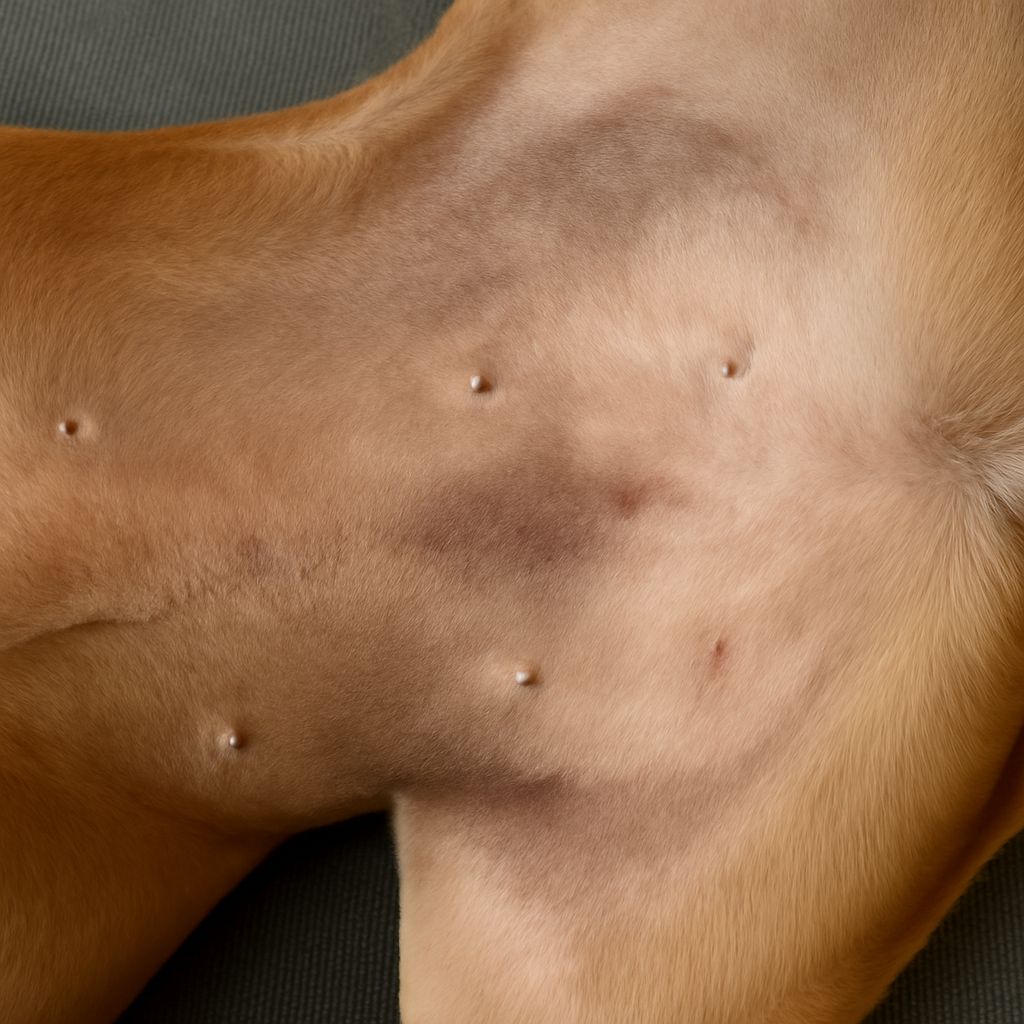
When a dog’s skin changes color, it often signals an underlying condition rather than normal variation. Dog skin darkening in the belly area is particularly common and has several potential causes. Dog skin turning black specifically can range from benign hyperpigmentation to infection or hormonal disorders. Knowing why your dog’s skin is turning black helps you decide whether to watch and wait or seek veterinary care. When dog skin is turning black with itching, the combination of symptoms is an important diagnostic signal. If your dog’s skin is turning black, this guide explains what’s likely happening and what comes next.
This article covers the main causes, what accompanying symptoms mean, and the diagnostic steps a veterinarian will typically take.
When Is Darkening Skin in Dogs Normal Versus a Concern
Some dogs naturally develop increased skin pigmentation with age. This is particularly common in breeds like Dachshunds, Pomeranians, and some terrier varieties. Flat, stable darkening without other symptoms in an aging dog is often benign.
Darkening that develops suddenly, spreads quickly, accompanies hair loss, or occurs alongside itching, odor, or behavioral changes is more likely to indicate a medical issue requiring attention.
What Is Hyperpigmentation in Dogs
Hyperpigmentation in dogs is a darkening of the skin caused by increased melanin production. It can be primary (genetic and idiopathic, with no identifiable cause) or secondary (a response to another condition like infection, allergy, or hormone imbalance).
Primary Hyperpigmentation
Most common in Dachshunds, primary hyperpigmentation typically appears in the armpit and groin areas early in the dog’s life. It’s a genetic predisposition without a treatable underlying cause. The skin darkens and may thicken over time. It’s not painful or dangerous, though it can be aesthetically concerning to owners.
Secondary Hyperpigmentation
Secondary hyperpigmentation is more common. It’s a visible symptom of an underlying problem. Treating the root cause often reduces the darkening over time, though long-standing pigmentation changes may persist even after the underlying issue resolves.
What Causes Dog Skin Darkening Specifically on the Belly
The belly and groin area is the most common location for visible skin darkening in dogs for several reasons. The skin there is thinner, hairless or lightly haired, and often involved in skin folds. Allergic reactions frequently manifest in this area as the dog scratches or licks it.
Yeast overgrowth (Malassezia dermatitis) is a frequent cause of dark, thickened, leathery belly skin with odor. The warm, moist skin fold areas of the belly create ideal conditions for yeast proliferation. Flea allergy dermatitis causes intense itching and secondary hyperpigmentation from repeated trauma to the belly and base of the tail.
What Does It Mean When Darkening Skin Accompanies Itching
Dog skin turning black with itching is a significant combination. The itching usually precedes the darkening and is often the underlying driver. When a dog scratches, rubs, or licks an area repeatedly, the skin responds by thickening and increasing melanin production as a protective response.
This pattern, called lichenification (skin thickening) with secondary hyperpigmentation, is a classic sign of chronic allergic or infectious dermatitis. The immediate cause may be allergies (food or environmental), parasites, or infection, but all share itching as the trigger and darkening as the secondary result.
Can Hormonal Conditions Cause Skin to Turn Black
Yes. Hypothyroidism and Cushing’s disease are the two most common hormonal causes of generalized skin darkening in dogs. Hypothyroidism causes skin thickening, hair thinning, and darkening alongside weight gain and lethargy. Cushing’s causes a characteristic set of symptoms including a pot-bellied appearance, thin skin, and hyperpigmentation.
Both are diagnosable through blood tests and are manageable with medication. If skin darkening comes with these other signs, hormonal testing is an appropriate diagnostic step.
How Is Dark Skin in Dogs Diagnosed and Treated
A vet will perform a physical exam and take a history of when the darkening started, what areas are affected, and what other symptoms are present. Skin cytology (examining cells microscopically) can identify yeast or bacterial infection. Blood tests assess thyroid and adrenal function.
Treatment depends entirely on cause. Yeast infections respond to antifungal shampoos and sometimes oral medications. Bacterial infections need antibiotics. Allergies require identification and management of the allergen plus treatment of secondary skin changes. Hormonal conditions are managed with appropriate medication.
Bottom line: Dog skin darkening and turning black is almost always secondary to another condition, whether allergic, infectious, or hormonal. Dog skin turning black with itching warrants veterinary evaluation to identify the underlying cause rather than treating the pigmentation itself, which is a symptom.





Leave a Reply