
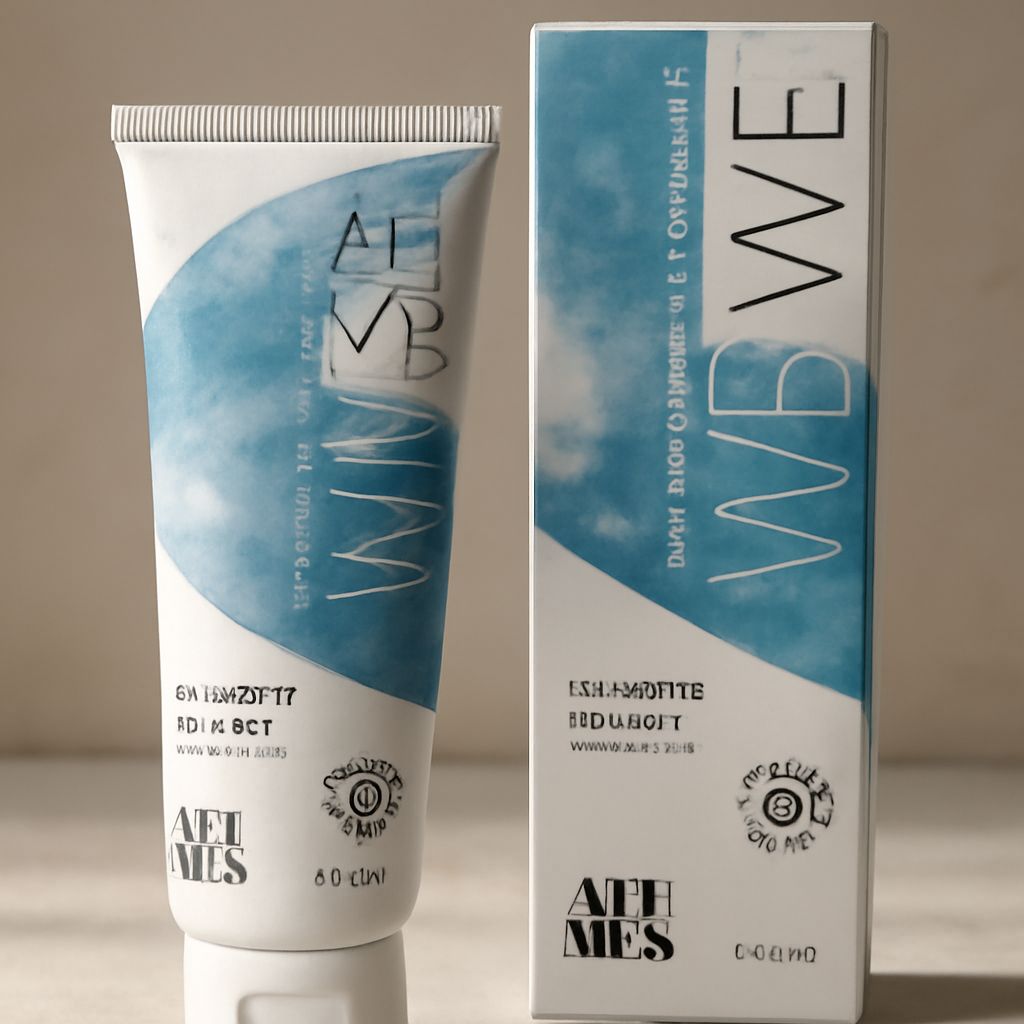
Best Lube for Sensitive Skin and Sensitive Skin Beauty Picks
Sensitive skin requires more thought in every product category, not just skincare. Finding the best lube for sensitive skin, a good primer for sensitive skin, bandaids for sensitive skin, and a waxing approach for sensitive skin all involve the same principle: fewer irritants, gentler formulas. The best shaving soap for sensitive skin is another piece of the puzzle for people who deal with reactions to fragrances, preservatives, and harsh actives. This guide covers each category with an eye toward what ingredients to seek and which to avoid.
Sensitive skin is not a single defined diagnosis. It’s a descriptor for skin that reacts more easily than average, whether from a compromised barrier, allergic tendencies, or heightened sensory responses.
What Does Sensitive Skin Need from Any Product
Across all product categories, sensitive skin does best with fragrance-free formulas. Fragrance is the leading cause of contact dermatitis in cosmetic and personal care products. Both synthetic fragrances and many natural or botanical fragrances (lavender, citrus, essential oils) are common sensitizers.
Preservatives are the second major category of concern. Parabens, formaldehyde-releasers, methylisothiazolinone (MI), and methylchloroisothiazolinone (MCI) are all potential triggers. Products preserved with more skin-friendly options like phenoxyethanol, sodium benzoate, or vitamin E tend to be better tolerated.
Short ingredient lists with identifiable, functional components are generally preferable to long lists full of obscure actives, especially for skin prone to reactions.
What Makes the Best Lube for Sensitive Skin
For sensitive skin, the best lubricant options are water-based with minimal additives. Avoid lubes containing glycerin (can cause yeast overgrowth in those prone to infections), propylene glycol (a sensitizer for some), parabens, and any added fragrance or flavoring.
Look for products with very short ingredient lists and a pH in the 3.8 to 4.5 range for vaginal use, which matches natural body pH and reduces irritation risk. Options marketed specifically for sensitive skin include Sliquid H2O, Good Clean Love Almost Naked, and Überlube (silicone-based, fragrance-free). Silicone-based lubes last longer and generally have fewer irritating additives, though they cannot be used with silicone toys.
A safety note: avoid using household lubricants or oil-based products not designed for intimate use on sensitive skin. These disrupt the microbiome and are major irritants.
What Should a Primer for Sensitive Skin Include or Avoid
A good primer for sensitive skin should be fragrance-free, silicone-heavy formulas are sometimes problematic for sensitive skin types, and free of known irritants. Look for primers with hydrating bases: hyaluronic acid, glycerin, or aloe as lead ingredients.
Pore-minimizing primers often use silicones, which most sensitive skin tolerates well. Blur or mattifying primers sometimes include high levels of talc or irritating actives like benzoyl peroxide, which are not appropriate for sensitive face skin.
ELF Poreless Putty Primer and Smashbox Photo Finish Primerizer are frequently cited as gentle options for sensitive skin. Test any primer on a small area before applying to the full face.
Are There Better Bandage Options for Sensitive Skin
Standard adhesive bandages use latex in the adhesive backing or the bandage itself. For latex-sensitive skin, latex-free bandages are the first swap to make. Many major brands now offer latex-free options.
The adhesive itself can also cause reactions. Bandaids for sensitive skin specifically are available from brands like Nexcare Sensitive Skin Bandages, which use a gentler silicone adhesive that holds well without tearing skin on removal. These are particularly useful for people who bruise easily or have fragile skin.
The key features to look for: latex-free, hypoallergenic adhesive, and fabric or foam material rather than standard plastic if you need extended wear.
How Do You Approach Waxing for Sensitive Skin
Waxing for sensitive skin requires careful preparation and product selection. Hard wax (stripless wax) tends to be gentler than soft wax because it only adheres to hair, not skin. This matters significantly for sensitive skin.
Avoid waxing immediately after using retinoids or exfoliating acids, as these thin the skin and make it more vulnerable to lifting and damage from wax. Wait at least a week.
After waxing, apply a soothing product containing aloe, witch hazel, or a gentle anti-inflammatory oil to calm the skin. Avoid fragranced aftercare products. Ingrown hair prevention serums, if needed, should also be fragrance-free.
What Is the Best Shaving Soap for Sensitive Skin
The best shaving soap for sensitive skin creates a protective, slick lather without fragrances or common sensitizers. Unscented glycerin-based shaving soaps are generally the safest category.
Dr. Bronner’s Unscented Baby Castile Soap works for some sensitive skin shavers. Taylor of Old Bond Street Sensitive Skin Shaving Cream and Proraso Sensitive Skin Shaving Cream (green packaging) are formulated for reactive skin with oat and green tea to reduce irritation.
Avoid foaming shaving gels with isopropyl myristate or high alcohol content, as these strip natural oils and can trigger post-shave reactions.
Safety recap: For all sensitive skin product categories, fragrance-free is the single most important criterion. Test new products on a small area before full application, especially lubricants and waxing products. If reactions are frequent or severe, a dermatologist patch test can identify specific allergens so you can avoid them precisely rather than guessing.



Leave a Reply