
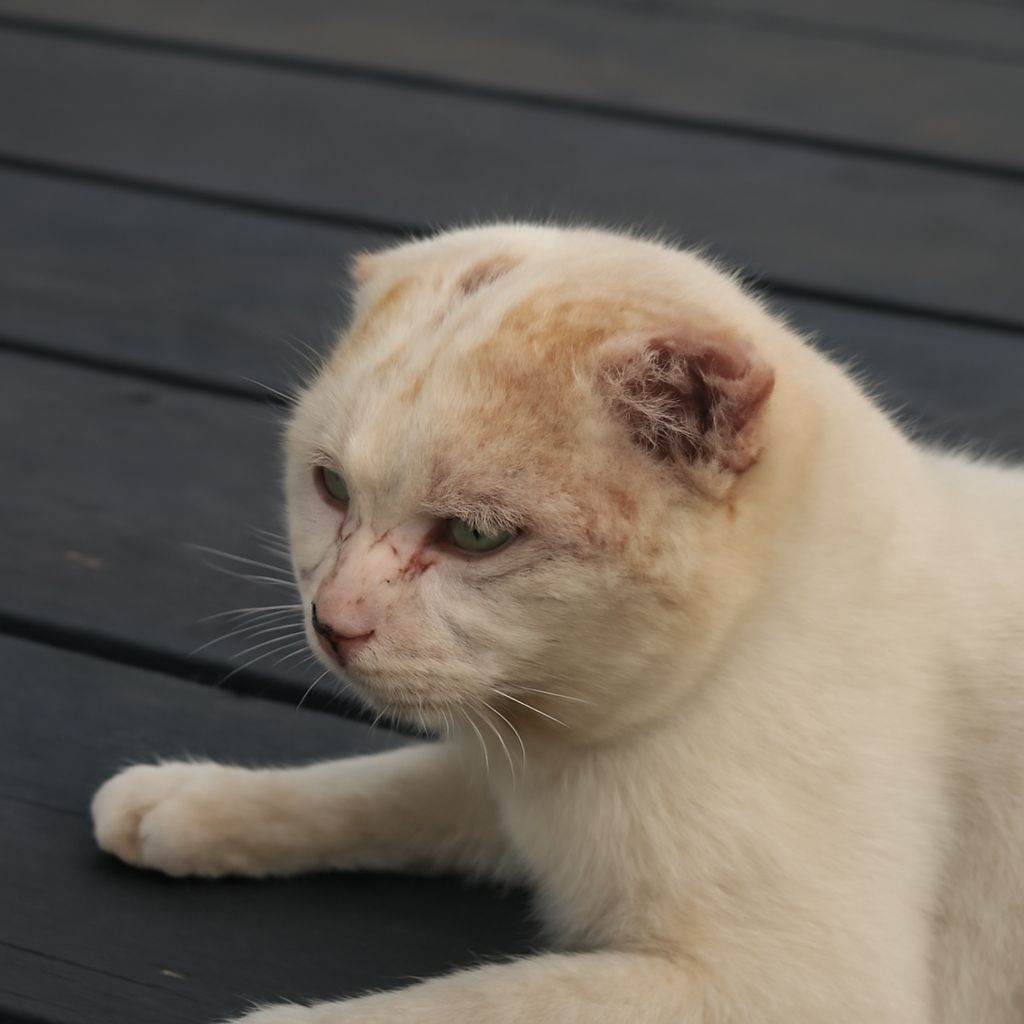
Cat Chin Acne and Cat Itchy Skin: Causes and Treatment
Cat chin acne is more common than many owners realize, and cat itchy skin can stem from a range of causes, from food sensitivities to environmental allergens. Cat acne under the chin is the most typical presentation of feline chin acne, and a cat that has itchy skin often shows it through excessive grooming, scratching, or hair loss. Even probiotics for itchy skin have a place in discussing cat care, as gut health and immune function both influence skin conditions in felines.
This guide covers what feline chin acne looks like, why cats develop it, and what treatment options are most effective for both chin acne and generalized skin irritation.
What Is Cat Chin Acne and How Does It Develop
Feline chin acne is a common skin condition where blackheads, pustules, or comedones develop on the chin and lower lip area. The follicles in a cat’s chin become clogged with sebum and keratin debris. When bacteria colonize the blocked follicles, the condition progresses from simple blackheads to inflamed pustules.
The condition can affect cats of any age, breed, or sex. Unlike human acne, it’s not driven by hormonal fluctuations during adolescence. Some cats have a single mild episode; others develop chronic, recurring chin acne throughout their lives.
What Causes Acne Under the Chin in Cats
Cat acne under the chin has several contributing factors:
Plastic food bowls are a well-documented trigger. Plastic surfaces harbor bacteria in micro-scratches even after washing, and repeated contact with the chin can cause bacterial folliculitis and allergic contact reactions. Switching to stainless steel, ceramic, or glass bowls is often the first recommendation vets make.
Poor self-grooming, whether due to obesity, dental pain, arthritis, or stress, means chin debris accumulates rather than being cleaned away. The chin and lower lip are areas a cat can’t easily groom by licking, relying on paw washing instead.
Food hypersensitivity and environmental allergies can trigger or worsen chin acne in some cats, particularly those with a general atopic tendency.
Stress can also play a role. Cats under stress are more prone to immune dysregulation, which can manifest in skin conditions including acne flares.
How Do You Recognize Chin Acne Versus Other Skin Issues
Classic cat chin acne appears as dark specks (blackheads or comedones) on the chin, sometimes progressing to small raised bumps or pustules. The area may appear slightly swollen in moderate cases. Severe cases can involve crusting, significant swelling, and hair loss at the chin.
The location is key. Chin and lower lip acne is distinct from ringworm (which tends to form circular bald patches) or mange (which presents with widespread scaling and intense itching). Flea allergy dermatitis affects different areas, particularly the base of the tail and belly.
If you’re unsure, a vet visit is the fastest way to confirm and rule out other causes including eosinophilic granuloma complex, which can produce chin swelling that looks similar to severe acne.
How Is Cat Chin Acne Treated
Mild chin acne often responds to simple home management. Switch food and water bowls to stainless steel or ceramic. Gently clean the chin with a diluted chlorhexidine solution or a warm washcloth daily to remove debris.
For moderate to severe acne with pustules or significant swelling, veterinary treatment is needed. Options include benzoyl peroxide shampoo or gel applied topically, topical antibiotics, oral antibiotics for bacterial infection, and in some cases, short-term anti-inflammatory medication.
A safety note: never squeeze or pop cat chin lesions. This can introduce more bacteria and worsen the infection significantly. Gentle cleaning is sufficient; aggressive manipulation makes things worse.
What Causes General Itchy Skin in Cats
A cat with itchy skin scratches, over-grooms, or pulls out fur in affected areas. The most common causes are parasites (fleas, mites), environmental or food allergies, fungal infections like ringworm, and skin infections.
Flea allergy dermatitis is the single most common cause of itchy skin in cats. Even indoor cats can be exposed to fleas, and a single bite in allergic cats produces intense pruritus. Monthly parasite prevention is both treatment and prevention.
Food allergies in cats most often present as skin symptoms (itching, skin lesions) rather than gastrointestinal signs. An elimination diet trial, under veterinary guidance, can identify the culprit protein.
Can Probiotics Help with Itchy Skin in Cats
The gut-skin axis is an active area of research in both human and veterinary medicine. Emerging evidence suggests that gut microbiome imbalances can contribute to atopic dermatitis and allergic skin conditions in cats. Certain probiotic strains have shown benefit in reducing skin inflammation and improving immune tolerance in studies on dogs and cats.
Probiotic supplements for itchy skin in cats typically contain Lactobacillus and Bifidobacterium strains. Results vary by individual, and probiotics work best as part of a comprehensive treatment approach rather than as a standalone fix. Discuss specific strains and products with a veterinarian before starting.
Key takeaways: Cat chin acne most commonly results from plastic bowl contact and poor chin hygiene. Switching to stainless steel bowls and gentle daily cleaning resolves mild cases. A cat with itchy skin needs parasite control and possibly allergy investigation as first steps. Probiotics may offer supplemental benefit for cats with chronic allergic skin conditions.





Leave a Reply