
Mold Skin Rash and How to Remove Hair Dye from Skin
Two skin topics that often bring people to dermatology or beauty searches are mold-related reactions and hair dye staining. A mold skin rash develops when mold spores trigger an immune or allergic response on exposed skin. Black mold skin rash pictures and descriptions online show a range of presentations, and skin rash from mold can be difficult to distinguish from other rashes without context. On the other end of the spectrum, mold spores on skin concerns often come from home water damage. Separately, how to remove hair dye from skin around the hairline is one of the most practical beauty questions there is.
This article covers both: identifying and managing mold-related skin reactions, and effective methods for removing hair dye staining from skin.
What Does a Mold Skin Rash Look Like
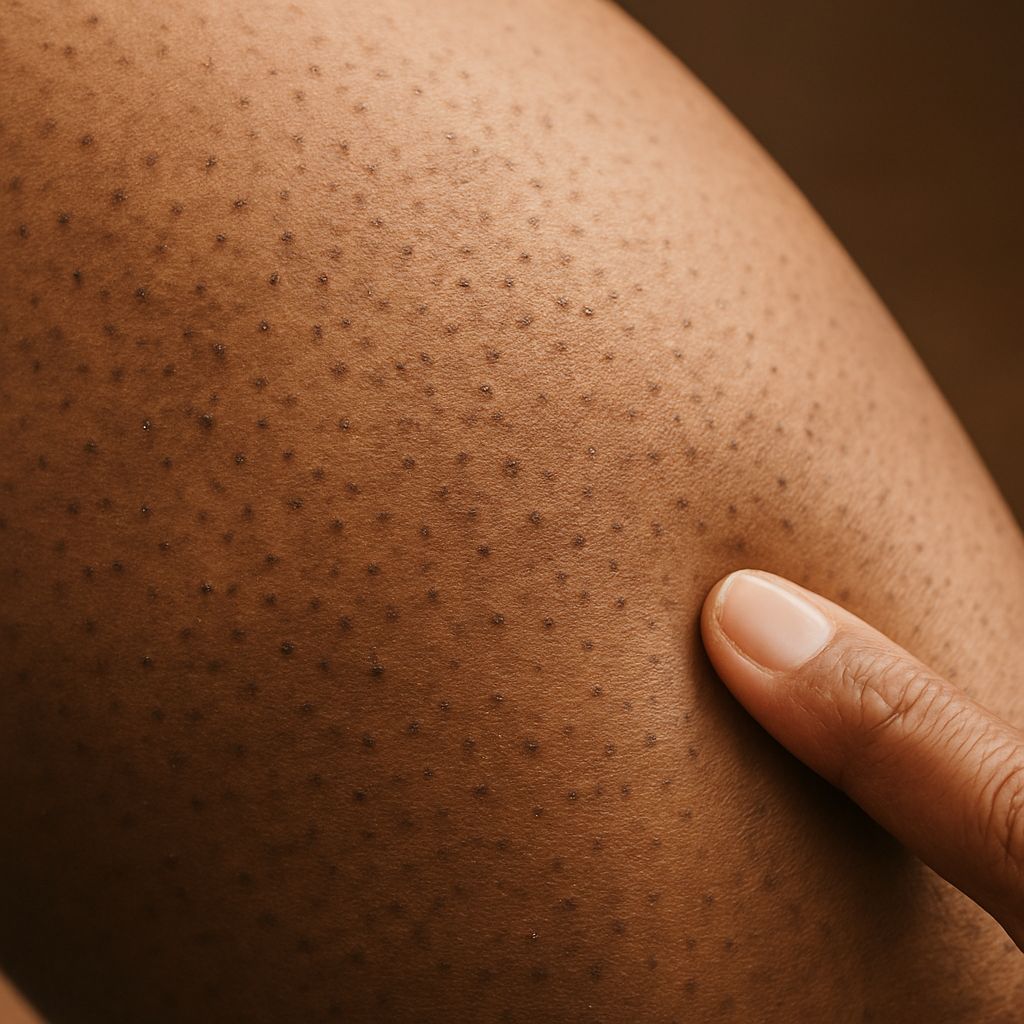
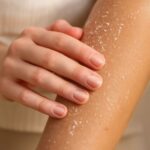
A mold skin rash can look different depending on the type of reaction. Allergic contact dermatitis from mold exposure typically presents as redness, itching, small blisters, and scaling at the contact site. The affected area may be patchy and well-defined, corresponding to where direct contact occurred.
Black mold skin rash pictures in medical literature often show presentations similar to other allergic rashes: red, inflamed patches with possible blistering or weeping in severe cases. Urticaria (hives) can also result from mold exposure, especially in atopic individuals. The rash itself doesn’t look dramatically different from other allergic skin reactions, which is why context matters for diagnosis.
What Causes Skin Rashes from Mold Exposure
Skin rash from mold most commonly occurs through two pathways: direct contact with mold-contaminated surfaces and inhalation or environmental exposure triggering a systemic immune response.
Direct contact dermatitis happens when mold spores land on skin in sufficient quantities and trigger an inflammatory or allergic response. People who handle water-damaged materials, clean moldy surfaces without gloves, or live in heavily mold-affected environments are at higher risk.
Mold spores on skin don’t always cause immediate reactions. The severity depends on the individual’s sensitivity, the mold species, and the duration of exposure. People with eczema, asthma, or other atopic conditions are more likely to react to mold skin contact.
Is Black Mold Skin Exposure Particularly Dangerous
Stachybotrys chartarum, commonly called black mold, produces mycotoxins that are associated with health concerns. However, the scientific evidence connecting black mold specifically to severe skin reactions is less clear than popular perception suggests. Most skin reactions from mold are allergic or irritant in nature and are caused by the immune response rather than by direct toxin damage.
If you’ve been in contact with water-damaged materials or have mold spores on skin and develop a rash, treat it as potentially allergic. Wash the area thoroughly and seek medical evaluation if the rash is severe, spreading, or accompanied by respiratory symptoms.
How Is a Mold-Related Skin Rash Treated
First, remove the source of exposure. Wash the affected skin thoroughly with mild soap and water. For mild allergic rashes, over-the-counter hydrocortisone cream (1%) can reduce inflammation and itching. Oral antihistamines like cetirizine or loratadine help with allergic reactions.
More severe rashes, those with significant blistering, spreading, or secondary infection signs, need medical evaluation. A dermatologist may prescribe stronger topical corticosteroids or oral medications. If mold in your living environment is ongoing, the underlying mold problem needs remediation to prevent recurrence.
How Do You Remove Hair Dye from Skin Around the Hairline
Hair dye stains the skin because the oxidative dye molecules penetrate the outer skin layers. The good news is that several common methods effectively remove or reduce staining.
Petroleum jelly or baby oil work by lifting the dye. Apply to the stained area, rub gently with a cotton pad, and wipe off. This works best within the first few hours of staining while the dye is fresher.
Dish soap mixed with baking soda creates a mild abrasive paste. Apply with a soft cloth or old toothbrush, rub gently in circular motions, then rinse. This is more effective than either alone.
Rubbing alcohol or makeup remover can dissolve dye residue. Apply to a cotton ball and dab at the stained skin. Don’t scrub aggressively, as this can irritate skin around the hairline.
Commercial stain removers designed for hair dye (some brands include these in dye kits) typically contain ingredients that break down oxidative dye bonds specifically.
How Can You Prevent Hair Dye from Staining Skin
Apply petroleum jelly, coconut oil, or a thick moisturizer along the hairline, ears, and neck before dyeing. This creates a barrier that prevents direct skin contact. Wear gloves and work carefully around the hairline with a small applicator brush for precision. Wipe off any dye that touches skin immediately with a damp cloth before it has time to set.
Bottom line: Mold skin rashes are primarily allergic reactions requiring source removal, washing, and appropriate topical treatment. Removing hair dye from skin around the hairline works best with petroleum jelly, oil-based removers, or a baking soda paste applied promptly. Prevention through barrier application before dyeing saves significant cleanup effort.

Leave a Reply