
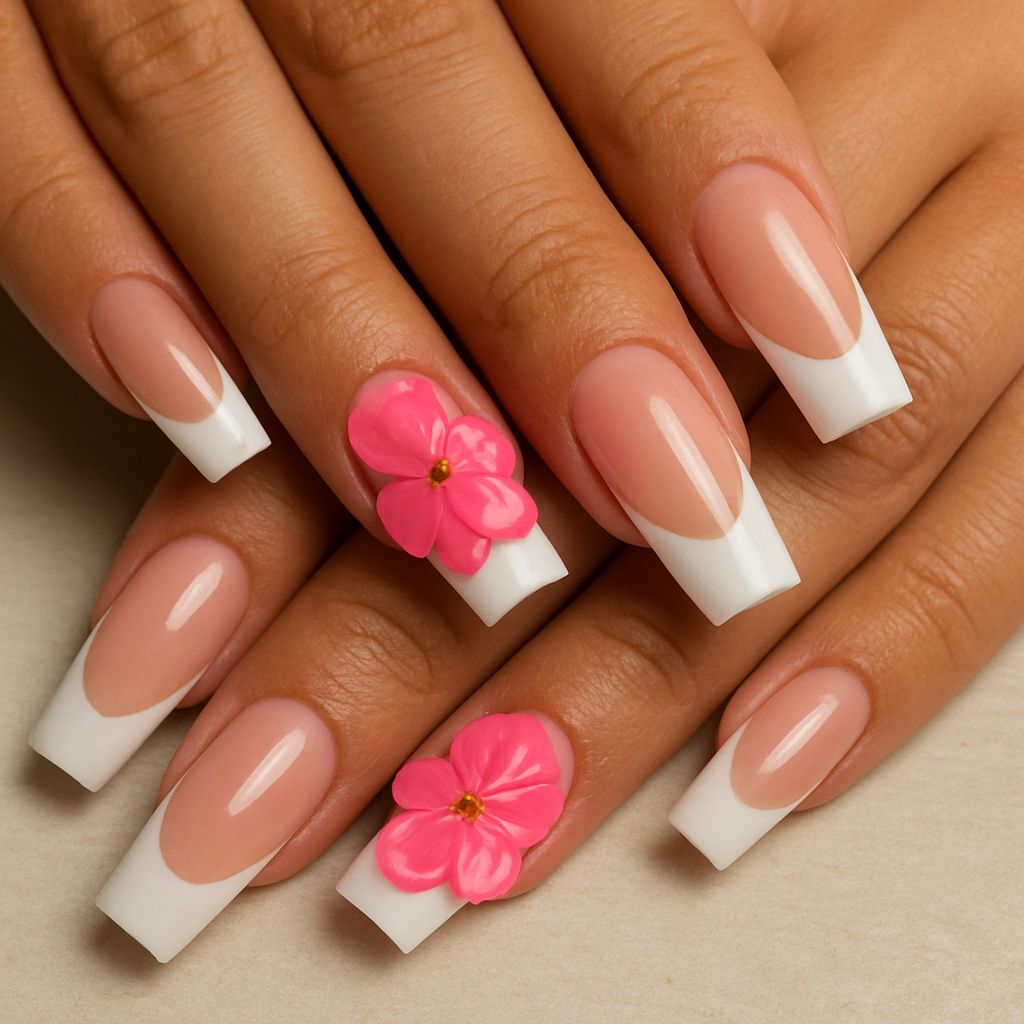
Gel Nails vs Acrylic: The Real Differences Explained
Gel nails vs acrylic is one of the most common questions in nail care. The difference between gel and acrylic nails comes down to materials, application methods, flexibility, and removal. The difference between acrylic and gel nails also affects durability and how your natural nails fare underneath. If you’re trying to understand what is the difference between gel and acrylic nails before booking your next appointment, this guide covers every angle. And comparing gel nails vs acrylic nails specifically helps you match the right choice to your lifestyle.
Both methods create strong, extended, or enhanced nails, but they work differently and suit different people. Neither is universally better; the right choice depends on your priorities.
What Are Acrylic Nails and How Are They Applied
Acrylic nails are created by combining a liquid monomer with a powder polymer to form a malleable substance that hardens when exposed to air. The technician molds this mixture over a nail tip or form and shapes it before it sets. No UV lamp is required; acrylic cures through a chemical reaction between the monomer and polymer.
Acrylic Strengths
Acrylics are very durable and hard. They hold up well under physical stress. They can be sculpted into a wide range of shapes and lengths, from short oval to extreme stiletto. They’re also less expensive at most salons than gel options, and infills are straightforward.
Acrylic Drawbacks
Acrylics are less flexible than gel, which means they can crack or lift if the nail bends under pressure. The application process involves strong-smelling chemicals (methacrylate monomers) that some people find irritating. They also tend to look more obviously artificial, especially in thicker applications.
What Are Gel Nails and How Do They Work
Gel nails use a gel formula that’s applied in layers and cured under a UV or LED lamp. The gel stays pliable until cured, which means the technician has more working time and can achieve very smooth, glossy results. There are several types: soft gel (soak-off gel polish, like Shellac), hard gel (builder gel for extensions), and gel-x (pre-made gel tips).
Gel Strengths
Gel nails tend to look more natural and high-gloss than acrylics. They’re more flexible, which reduces breakage for active hands. Soft gel polish is gentler on natural nails and soaks off more easily. The lack of strong fumes is a significant plus for sensitive individuals.
Gel Drawbacks
Hard gel for extensions is more expensive than acrylic at most salons. UV/LED curing means UV exposure, though it’s brief and at low intensity. A safety note: those concerned about UV exposure during gel curing can apply SPF-rated hand cream before the appointment, though the actual UV exposure is minimal compared to daily sun exposure.
Which Lasts Longer, Gel or Acrylic
Both typically last two to three weeks before needing a fill or touch-up. Acrylics tend to be slightly harder and may hold up to more physical stress without chipping. Gel polish is known for maintaining its high-gloss finish without yellowing or dulling, which gives it a longer visual appeal even if the growth gap appears at the same rate.
For nail extensions specifically, hard gel and acrylic extensions have comparable longevity in most wear conditions.
Which Is Better for Natural Nail Health
The honest answer: both can damage natural nails if applied or removed improperly. Acrylics require significant nail surface etching (buffing) before application, which thins the natural nail plate. Improper removal, particularly peeling, causes the most damage.
Soft gel polish (soak-off) generally causes less long-term damage than hard gel or acrylic extensions. Hard gel removal requires filing, which carries its own risks. Working with a skilled technician and taking breaks between enhancements benefits natural nail health regardless of which system you choose.
How Is Removal Different Between the Two
Acrylic is removed by soaking in acetone for 15 to 20 minutes or by filing. Soft gel polish soaks off in acetone in 10 to 15 minutes with minimal nail impact when done correctly. Hard gel cannot be soaked off and must be filed down, which requires more skill to avoid over-filing the natural nail.
Never peel or force off either type. This physically removes layers of the natural nail plate and causes lasting damage. If done in a salon, ask about their removal process before committing.
How Do You Decide Which Option Is Right for You
Choose acrylic if you want maximum durability for extensions, prefer lower cost, want extreme length or shape customization, and don’t mind the stronger smell during application.
Choose gel if you want a more natural-looking finish, prefer flexibility, are sensitive to chemical fumes, or want a system that’s gentler on natural nails with proper removal.
Hard gel extensions sit in between: more natural-looking than acrylic but less flexible, and harder to remove.
Safety recap: Both gel nails and acrylic nails carry risks primarily at removal. Never peel either type off at home. Proper soak-off or professional filing removal protects your natural nail plate and prevents lasting damage. When in doubt, visit a licensed nail technician rather than attempting removal yourself.





Leave a Reply