
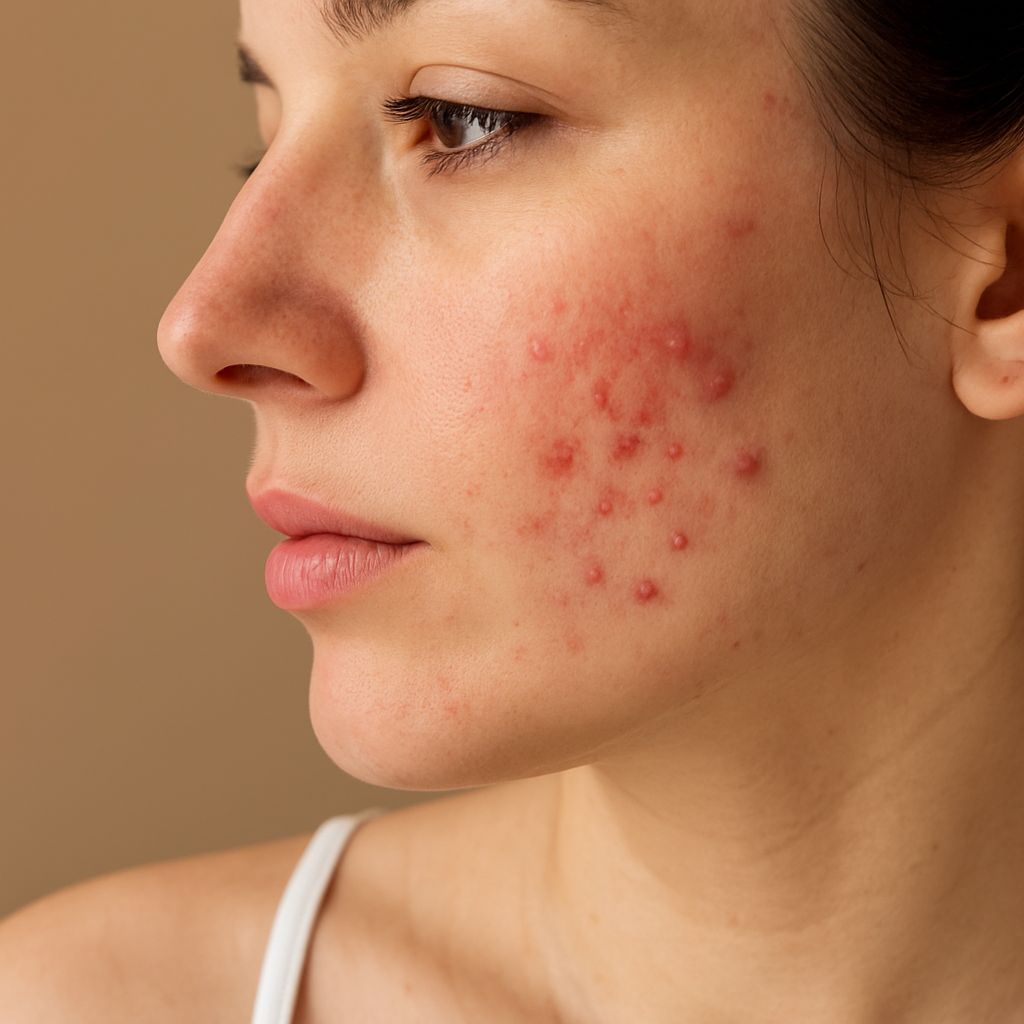
Cystic Acne on Jawline: Causes, Treatments, and How to Manage Neck Breakouts
Cystic acne on jawline is among the most painful and persistent forms of adult acne, producing large, deep nodules that develop below the skin surface and resist standard over-the-counter treatments. Acne on jawline and neck often appears together because both areas share similar hormonal and mechanical triggers. When acne on jaw develops, it frequently signals a hormonal imbalance, dietary factor, or skin care product that is clogging follicles in a pattern localized to the lower face. Cystic acne jawline breakouts are particularly frustrating because the nodules take weeks to resolve even with treatment. Acne on neck and jawline combined suggests a systemic trigger rather than a simple surface issue, and the treatment approach needs to reflect that.
This guide covers the causes specific to the jaw and neck area, the most effective treatments at each severity level, and practical prevention strategies.
What Causes Cystic Acne on the Jawline?
Hormonal and Mechanical Triggers
Cystic acne on jawline forms when a sebaceous gland becomes completely blocked and the resulting inflammation extends deep into the dermis rather than expressing outward as a surface pimple. Hormonal fluctuations, particularly increases in androgens (testosterone and its derivatives), drive sebum overproduction in the lower face follicles. This is why jawline acne is strongly associated with the menstrual cycle in women, polycystic ovary syndrome (PCOS), and the testosterone surges of adolescence in both sexes.
Friction and Pressure
Physical pressure from cell phones held against the jaw, helmets, instrument straps, or resting the chin and jaw on the hands transfers bacteria and occludes follicles in the same area repeatedly. This mechanical acne (acne mechanica) can compound hormonal triggers or occur independently.
How Do Hormones Contribute to Acne on Jawline and Neck?
Acne on jawline and neck is the classic hormonal acne pattern in adults. Androgen receptors are concentrated in the lower face and neck sebaceous glands, making this area disproportionately responsive to androgen fluctuations. For women, breakouts consistently timed to the week before menstruation strongly indicate hormonal acne. Elevated androgen levels, whether from PCOS, stress-related cortisol increase, or exogenous sources, drive the sebum excess that fills and blocks follicles. In men, testosterone-driven acne commonly concentrates in the jaw, neck, and back.
What Treatments Work for Cystic Acne Jawline?
Prescription treatments are generally necessary for true cystic acne jawline. Oral antibiotics (doxycycline, minocycline) reduce the bacterial and inflammatory component in the short term but are typically prescribed for no more than three to six months to prevent resistance. Oral retinoids (isotretinoin) are the most effective treatment for severe, nodular cystic acne; a single course resolves the condition in the majority of patients. Spironolactone, an anti-androgen medication, is highly effective for hormonal cystic acne in women, reducing sebum production at the hormonal source. Combined oral contraceptives with anti-androgenic progestins are another option for women with hormonally-driven cystic acne jawline.
Which OTC Products Help Acne on Jaw?
For mild to moderate acne on jaw, benzoyl peroxide at 2.5-5% applied to the jawline nightly reduces bacterial load. Salicylic acid cleanser used twice daily unclogs follicles and reduces comedone formation. Retinol (OTC) at 0.1-0.3% used three nights per week normalizes cell turnover and prevents follicle plugging. Niacinamide serum at 5-10% reduces inflammation and sebum. Do not use all of these simultaneously when starting out; introduce one at a time and monitor for irritation. OTC products may be insufficient for true cystic nodules and should be used alongside professional treatment.
How Do You Treat Acne on Neck and Jawline Together?
Acne on neck and jawline requires treating both areas with the same active ingredients, as they share the same trigger mechanisms. Extend any topical treatment (benzoyl peroxide, retinoid, salicylic acid) down the neck as well as across the jaw. Keep the neck clean and dry; sweat from exercise combined with product residue on the neck creates an occlusive environment that worsens breakouts. Avoid tight collars or necklines that friction the neck skin. If hair products contact the neck, switch to non-comedogenic alternatives, as silicones and heavy conditioning agents from hair care products frequently cause breakouts along the hairline, jaw, and neck.
How Do You Prevent Jawline and Neck Breakouts?
Reduce androgen-driven sebum by managing stress (elevated cortisol increases androgens), maintaining a stable sleep schedule, and reducing high-glycemic foods and dairy, both of which have evidence supporting their association with acne severity. Clean phone screens regularly with alcohol wipes and avoid holding the phone against the jaw. Wash pillowcases at least weekly and consider silk pillowcases, which generate less friction than cotton. Remove makeup, sunscreen, and sweat from the jawline and neck thoroughly each evening with a thorough double cleanse if needed.
Safety recap: Do not squeeze, pick, or attempt to extract cystic acne on jawline nodules. This deepens the inflammation, significantly increases scarring risk, and can introduce additional bacteria into an already-infected follicle. A dermatologist can perform a targeted corticosteroid injection directly into a large cystic nodule for rapid, safe resolution.





Leave a Reply