
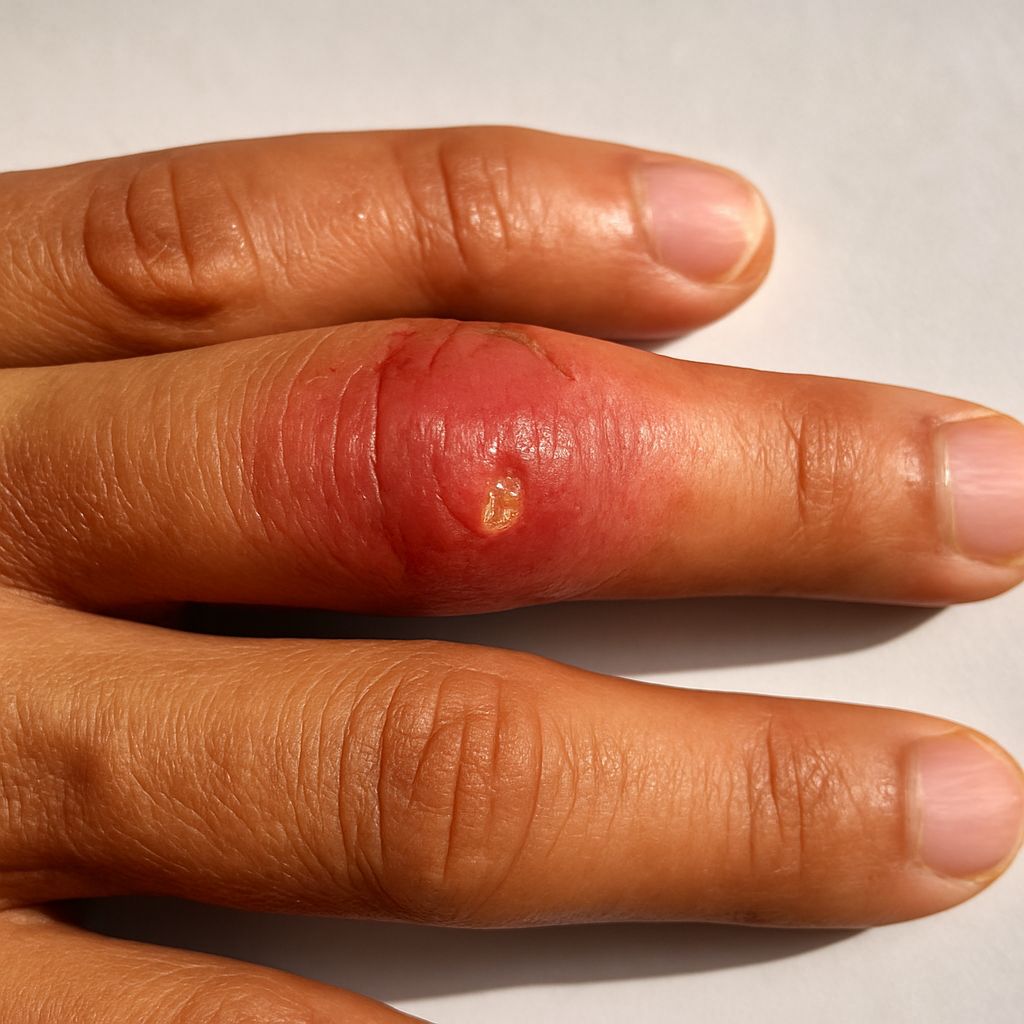
Diabetic Skin Conditions Pictures: From Skin Ulcers to Elderly Skin Issues
Diabetic skin conditions pictures help people recognize the wide spectrum of changes that diabetes produces on skin, from subtle color shifts to serious ulcerations. Skin ulcer pictures are a key reference point for anyone managing diabetic wounds or caring for someone who is, as ulcers must be distinguished from other wound types for appropriate treatment. Dog dandruff pictures appear in veterinary contexts for a different reason, but understanding visual diagnosis principles applies broadly across species. Using the right diabetic skin lotion makes a meaningful difference in preventing dryness-related cracking that can lead to wounds in diabetic skin. Skin conditions in elderly people overlap with diabetic skin issues because age-related skin thinning, reduced circulation, and immune changes create similar vulnerability in the skin barrier.
This guide covers the most common and visually recognizable diabetic skin presentations, explains what causes them, and describes effective management approaches.
What Does Diabetic Dermopathy Look Like?
Visual Features
Diabetic dermopathy appears as light brown, scaly patches in oval or circular shapes, most commonly on the shins. They do not cause pain, itching, or ulceration and are benign, though their presence indicates blood sugar is affecting the small blood vessels in the skin. Diabetic skin conditions pictures in dermatology references consistently show these as flat, slightly depressed, hyperpigmented patches that look similar to old scars. They do not require treatment beyond blood sugar management.
Differentiation From Other Rashes
Diabetic dermopathy can be confused with tinea (ringworm) or post-inflammatory hyperpigmentation. Unlike tinea, it is not itchy and does not scale from a central clearing. Unlike post-inflammatory marks, it appears without a prior visible lesion at the site.
What Do Diabetic Skin Ulcers Look Like and How Are They Treated?
Skin ulcer pictures from diabetic cases typically show open sores on the feet or lower legs with varying depth, often with surrounding callus formation in neuropathic cases or dusky red tissue in ischemic (poor circulation) cases. Neuropathic ulcers typically develop on pressure points such as the ball of the foot or the heel. They may have minimal pain because diabetic neuropathy reduces sensation. Ischemic ulcers tend to be more painful and occur at the tips of toes or lateral foot. Treatment requires debridement of dead tissue, infection control with appropriate antibiotics, offloading pressure, and addressing the underlying vascular or neuropathic cause. All suspected diabetic foot ulcers require prompt medical evaluation.
What Is Necrobiosis Lipoidica and How Does It Present?
Necrobiosis lipoidica is a skin condition associated with diabetes that produces waxy, yellow-brown plaques on the shins, often with visible blood vessels on the surface and a shiny texture. The border is often red or violet, contrasting with the yellow center. Lesions may ulcerate in some cases, requiring wound care. In diabetic skin conditions pictures from clinical references, necrobiosis lipoidica has a distinctive appearance: the yellowish, atrophic (thinned) center with a reddish rim is not commonly confused with other conditions once recognized. Management involves glucose control and in some cases topical or injected corticosteroids under dermatologist guidance.
What Should a Diabetic Skin Lotion Contain?
Diabetic skin lotion needs to address the specific vulnerability of diabetic skin, which tends to be dry, prone to cracking, and at risk of infection from any break in the barrier. Key ingredients include urea at 10-25% (softens thickened, dry skin and improves moisture retention), lactic acid or ammonium lactate (exfoliates dry surface cells gently), and petrolatum or mineral oil as occlusive agents that prevent moisture loss. Avoid fragrances, alcohol, and harsh preservatives in diabetic skincare products, as nerve damage reduces the ability to detect irritation until it becomes a problem. Apply diabetic skin lotion daily, particularly to the feet and lower legs, but avoid applying between toes where excess moisture promotes fungal infection.
What Skin Conditions in Elderly Diabetics Are Most Common?
Skin conditions in elderly patients with diabetes include pruritus (generalized itch from neuropathy and dry skin), xerosis (extreme dryness that cracks and bleeds), bullosis diabeticorum (spontaneous, painless blisters on the feet and lower legs), and increased susceptibility to bacterial and fungal infections. Pressure injuries in bedridden elderly diabetics can develop within hours due to poor circulation and reduced skin resilience. Elderly skin naturally loses collagen and oil production, which compounds the barrier damage that diabetes causes. A consistent moisturizing and daily skin inspection routine is the primary preventive strategy for elderly diabetic patients.
How Do You Prevent Diabetic Skin Complications?
Maintain blood glucose within target ranges, as poor long-term glycemic control is the root cause of most diabetic skin complications. Moisturize daily with a fragrance-free, urea-based lotion. Inspect the feet and lower legs daily, using a mirror for hard-to-see areas. Wear properly fitting footwear to prevent pressure injuries. Keep toenails trimmed straight across. See a podiatrist regularly. Do not walk barefoot, even indoors, as small cuts or abrasions may go unnoticed due to neuropathy and can progress to serious infection.
Pro tips recap: Diabetic skin conditions pictures in clinical references help identify common presentations from dermopathy to ulcers, but any new diabetic skin lesion that does not heal within one week needs medical evaluation. Using the right diabetic skin lotion daily is one of the simplest preventive steps available, and skin conditions in elderly diabetics particularly benefit from a structured daily inspection and moisturization routine.



Leave a Reply