
Niacinamide Benefits for Skin: Natural Antifungal Options and Garlic on Skin
Niacinamide benefits for skin cover an impressive range of concerns from pore reduction and oil control to barrier repair and hyperpigmentation fading, all in a single ingredient that tolerates well across skin types. Natural antifungal for skin options are particularly relevant when dealing with tinea versicolor, seborrheic dermatitis, or fungal acne, where prescription treatments are either unavailable or unwanted. Understanding how to cure fungal infection on skin naturally starts with identifying the right antifungal plant compounds and using them correctly. Garlic benefits for skin stem from allicin, a sulfur compound with documented antimicrobial activity. And while putting garlic on skin directly seems straightforward, the method matters significantly to avoid irritation or chemical burns.
This guide examines each topic with practical application guidance, so you can decide which approach suits your skin concern and skin type.
What Are the Key Niacinamide Benefits for Skin?
Pore Minimization and Oil Control
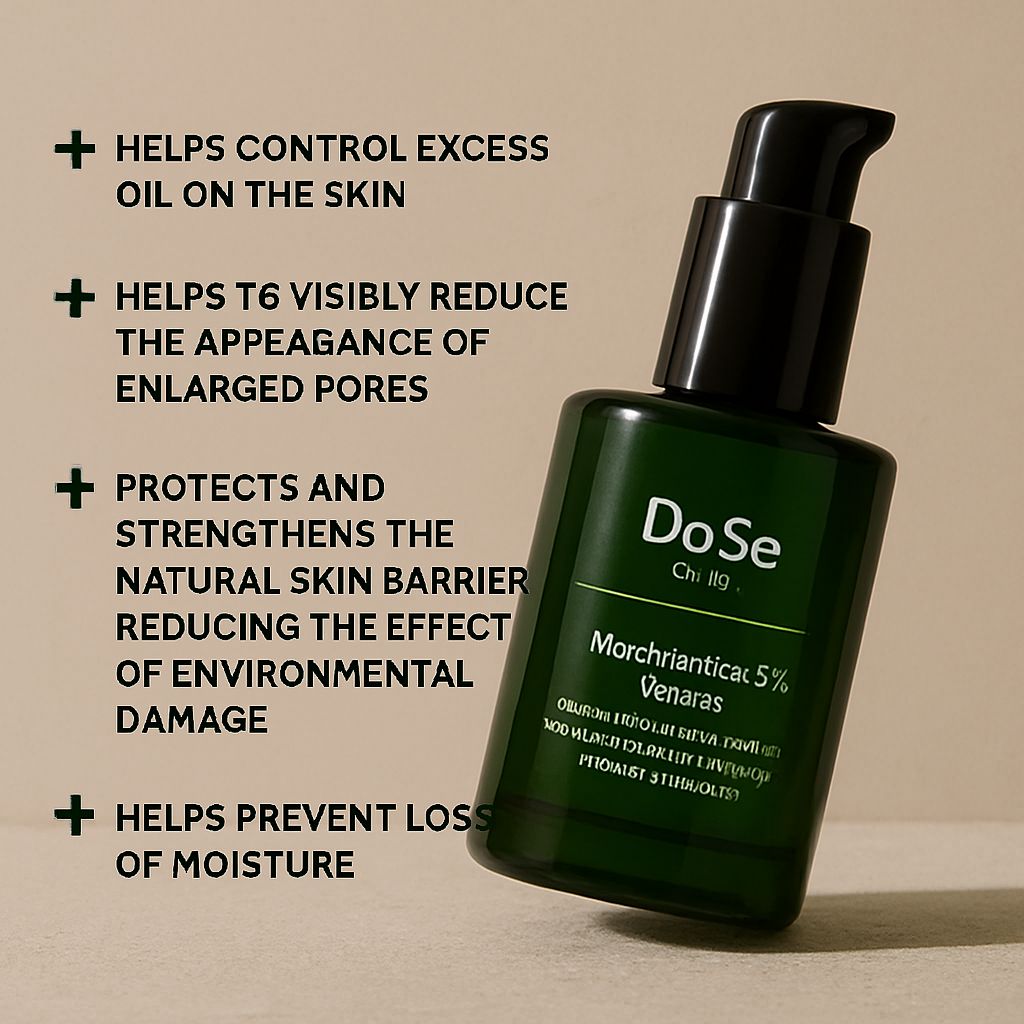
Niacinamide at 4-10% concentration reduces the appearance of enlarged pores by normalizing sebum production and strengthening the skin around follicle openings. Studies at 5% concentration show visible pore reduction within eight weeks of twice-daily application. This makes it especially valuable for oily and combination skin types prone to congestion.
Hyperpigmentation and Barrier Repair
Niacinamide benefits for skin with uneven tone work by blocking melanosome transfer from melanocytes to keratinocytes, reducing the rate at which new pigment reaches the skin surface. For barrier repair, niacinamide stimulates ceramide and fatty acid production in the skin, strengthening the protective lipid layer that prevents moisture loss and shields against environmental irritants. It can be layered with most other actives including retinol, AHAs, and vitamin C without significant conflict.
Which Natural Antifungals Are Effective for Skin?
The most studied natural antifungal for skin options include tea tree oil (Melaleuca alternifolia), which inhibits Candida and Malassezia species at concentrations of 1-5%; coconut oil, which contains caprylic and lauric acids with moderate antifungal action; and oregano oil, which contains carvacrol and thymol with broad-spectrum antimicrobial properties. Apple cider vinegar, diluted to 50% with water, creates an acidic environment inhospitable to many fungal species and can be used as a rinse on affected areas. These natural options work best for mild, superficial fungal conditions on intact skin.
How Do You Cure a Fungal Infection on Skin Naturally?
How to cure fungal infection on skin naturally begins with correct identification. Tinea versicolor (yeast-caused discoloration), ringworm (dermatophyte), and seborrheic dermatitis (Malassezia-related) each have distinct presentations. For tinea versicolor, zinc pyrithione shampoo left on the skin for five minutes before rinsing has evidence supporting its antifungal effect on Malassezia. For ringworm, tea tree oil diluted to 2-3% in a carrier oil applied twice daily is a tested option for mild cases, though more extensive ringworm requires prescription antifungals. Keep the affected area clean, dry, and well-ventilated. Wearing loose, breathable clothing reduces the warm, moist conditions that fungal organisms prefer.
What Are the Garlic Benefits for Skin?
Garlic benefits for skin arise primarily from allicin, which forms when raw garlic is crushed or chopped and alliin converts through enzymatic action. Allicin has documented antibacterial, antifungal, and antiviral activity in laboratory settings. Studies have found that allicin can inhibit Staphylococcus aureus, Candida albicans, and several dermatophytes. Antioxidant compounds in garlic including selenium and quercetin also reduce oxidative stress when absorbed topically in controlled preparations. Sulfenic acids in garlic may have anti-inflammatory effects when prepared appropriately.
How Do You Use Garlic on Skin Safely?
Using garlic on skin incorrectly is a common cause of chemical burns in home remedy contexts. Raw crushed garlic applied directly for extended periods produces allyl sulfide compounds that damage skin tissue. Safe methods include: crushing one garlic clove, waiting ten minutes for allicin to form, mixing with equal parts coconut oil or olive oil, applying to a small affected area for no more than five to ten minutes, then rinsing with cool water. Do not apply to the face, broken skin, or sensitive areas. Do not leave on overnight. Always patch-test on the inner arm 24 hours before any facial or sensitive skin application. Garlic-infused oils are a gentler delivery method that reduces the irritation risk while retaining some of the antimicrobial benefit.
How Do You Combine These Ingredients in a Routine?
Niacinamide works as a daily morning and evening leave-on product, applied after cleansing and before moisturizer. Natural antifungal treatments and garlic on skin applications are targeted, short-contact treatments for specific areas rather than routine steps applied to all skin. Use niacinamide consistently for its barrier and pigmentation benefits. Reserve antifungal plant treatments for active fungal symptoms, not as ongoing prevention on healthy skin. If your skin concern is fungal acne (pityrosporum folliculitis), niacinamide and antifungal washes can work complementarily: the antifungal reduces the organism load while niacinamide addresses the resulting inflammation and post-inflammatory marks.
Safety recap: Natural antifungals including tea tree oil and garlic preparations can cause significant irritation or chemical burns if used incorrectly. Always dilute before skin contact, limit application time, and consult a dermatologist if your fungal infection is widespread, affecting the face, or not responding to two weeks of home treatment.


Leave a Reply