
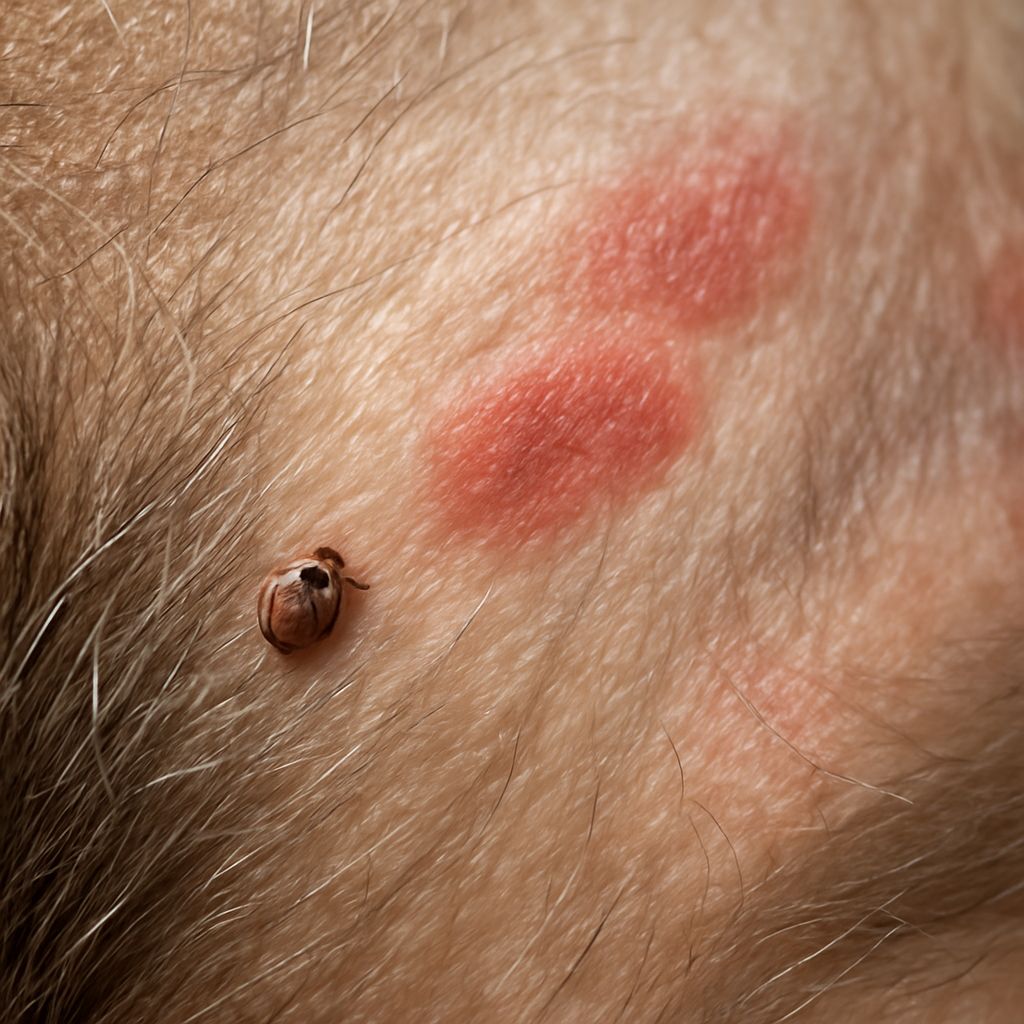
Skin Conditions in Dogs: Common Diseases, Symptoms, and Treatments
Skin conditions in dogs are among the most common reasons pet owners visit a veterinarian, and the range of possible causes is broader than many people realize. Skin diseases in dogs can stem from allergies, parasites, bacterial or fungal infections, hormonal imbalances, and genetic predispositions. A dog skin condition that appears as itching and redness may look identical whether caused by a food allergy or a yeast infection, making accurate diagnosis essential before treatment. Dog skin conditions pictures in veterinary resources help owners identify what their pet’s rash, lesion, or coat change might indicate. Pug skin problems are a specific subset of canine dermatology, with the breed’s deep skin folds creating a warm, moist environment that promotes bacterial and yeast overgrowth at a higher rate than in other breeds.
This guide covers the most common canine skin diseases, how to recognize them, and what treatment options are available at home and through veterinary care.
What Allergic Skin Conditions Affect Dogs?
Environmental Allergies (Atopic Dermatitis)
Atopic dermatitis is one of the most prevalent skin conditions in dogs, caused by an immune response to environmental allergens such as pollen, dust mites, and mold. Affected dogs scratch their paws, faces, ears, and belly compulsively. Skin may become red, inflamed, and thickened from chronic scratching. Treatment includes allergen immunotherapy, apoquel, or cytopoint injections under veterinary guidance.
Food Allergies
Food allergies produce similar symptoms to atopic dermatitis but often include recurrent ear infections and gastrointestinal signs. A 12-week elimination diet using a hydrolyzed protein or novel protein food source is the gold-standard diagnostic method. Dog skin diseases from food allergy resolve once the offending ingredient is permanently removed from the diet.
Which Parasites Cause Dog Skin Conditions?
Fleas are the most common external parasite trigger for a dog skin condition. Flea allergy dermatitis develops when a flea-sensitive dog reacts to flea saliva, producing intense itching even from a single bite. Sarcoptic mange (scabies) is caused by Sarcoptes scabiei mites and produces severe itching with crusty lesions on the ears, elbows, and face. It is highly contagious to other dogs and transmissible to humans. Demodex mange, caused by Demodex mites, typically appears as patchy hair loss without severe itching and is more common in young or immunocompromised dogs. Regular antiparasitic prevention is the first line of defense against these skin diseases in dogs.
What Bacterial and Fungal Skin Diseases Affect Dogs?
Pyoderma (bacterial skin infection) commonly follows underlying allergies or skin trauma. It appears as red pustules, crusts, and circular lesion patterns. Staphylococcus bacteria are the most frequent culprit. Veterinary diagnosis and antibiotics are necessary for treatment, as untreated pyoderma spreads and can become resistant to standard antibiotics. Ringworm (dermatophytosis) is a fungal dog skin condition that produces circular patches of hair loss with scaly borders. Despite the name, no worm is involved. It is contagious to humans and other pets. Antifungal medication prescribed by a veterinarian is required for resolution.
How Do Hormonal Conditions Show on Dog Skin?
Hypothyroidism (underactive thyroid) causes bilateral, symmetrical hair loss, dull coat, thickened skin, and susceptibility to secondary infections. Affected dogs are often lethargic and intolerant of cold. Cushing’s disease (hyperadrenocorticism) produces skin thinning, pot-bellied appearance, hair loss, and skin calcinosis (calcium deposits). Both conditions are diagnosed through blood tests and treated with long-term medication. Hormone-related skin diseases in dogs are often misdiagnosed initially because their symptoms overlap with allergic conditions.
What Skin Problems Are Common in Pugs?
Pug skin problems concentrate in the facial skin folds, where warmth and moisture accumulate. Skin fold dermatitis (intertrigo) develops when bacteria and yeast proliferate in the folds, producing redness, odor, and discharge. Daily cleaning of the folds with a gentle antiseptic wipe and thorough drying reduces this risk. Pugs also have elevated rates of atopic dermatitis due to their genetics, and their short, dense coat can harbor allergens more than other coat types. Demodectic mange is another concern in young pugs with immature immune systems.
When Should You See a Veterinarian for a Dog Skin Condition?
Any dog skin condition that involves open sores, extensive hair loss, rapid spread, significant behavioral change (loss of sleep from itching, reluctance to eat), or does not respond to basic hygiene measures within a week needs veterinary evaluation. A veterinarian can take skin scrapes, cytology samples, or blood tests to identify the underlying cause accurately. Treating a fungal condition with antibiotics, or ignoring a hormonal condition as an allergy, delays resolution and can cause unnecessary suffering. Annual wellness exams that include a skin assessment catch many conditions before they become severe.
Safety recap: Never use human medicated shampoos or steroid creams on dogs without veterinary guidance, as some human products, including tea tree oil, are toxic to dogs. When in doubt about a dog skin condition, photograph the lesion and consult a veterinarian promptly.



Leave a Reply