
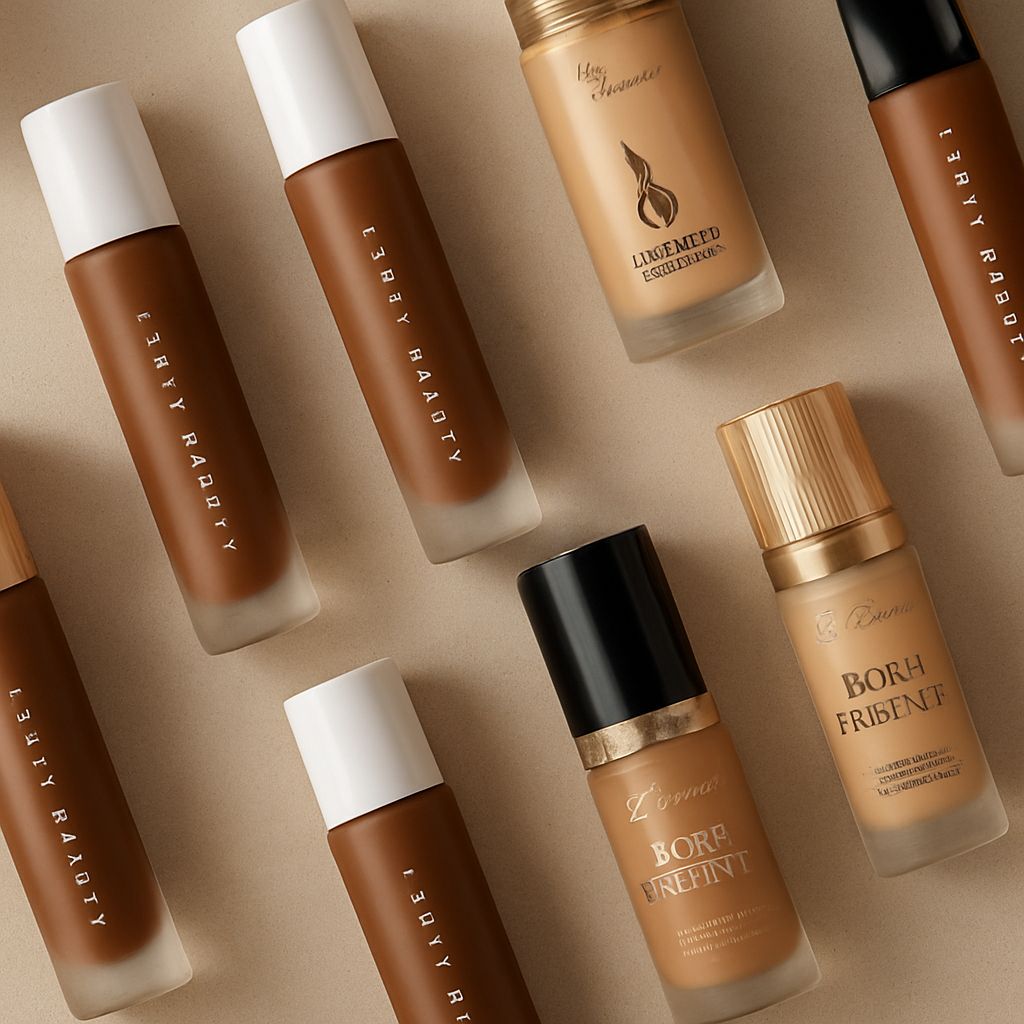
Best Makeup for Oily Acne Prone Skin: Foundations and Mineral Options That Work
Finding the best makeup for oily acne prone skin means choosing products that provide coverage without feeding breakouts or creating a greasy finish by midday. The best non comedogenic foundation acne prone skin formulas are specifically designed to leave pores unblocked, reducing the risk of new blemishes forming under makeup. The best drugstore foundation for acne prone skin does not require a large budget to perform well; several affordable formulas match prescription-level tolerability. For those who prefer naturally derived ingredients, the best mineral makeup for acne prone skin uses zinc oxide and titanium dioxide, which have mild anti-inflammatory and antimicrobial properties. The best mineral foundation for oily skin addresses both the shine-control and breakout-reduction needs of this skin type in one product.
This guide breaks down what to look for, which ingredients to avoid, and how to apply foundation in a way that maximizes coverage and minimizes pore impact throughout the day.
Which Ingredients Worsen Oily Acne Prone Skin?
Pore-Clogging Ingredients
Comedogenic (pore-clogging) ingredients to avoid include isopropyl myristate, lanolin, cocoa butter, wheat germ oil, and heavy silicones such as dimethicone in very high concentrations. These form an occlusive layer that traps sebum and dead cells in pores. Fragrance is another concern; it does not cause comedones directly but irritates acne-prone skin, causing inflammation that worsens breakouts.
Ingredients That Feed Bacteria
Some wax-based long-wear formulas provide an environment where acne-causing bacteria thrive. Foundations containing algae extracts, oleic-acid-heavy oils, or sodium lauryl sulfate can aggravate acne-prone complexions even if they do not technically clog pores. Check ingredient lists for these on skin that tends to break out from seemingly unrelated products.
What Makes a Foundation Non Comedogenic for Acne Prone Skin?
The best non comedogenic foundation acne prone skin formulas use film-forming agents and powders rather than heavy oils or waxes. Ingredients such as silica, kaolin clay, and zinc oxide provide coverage and shine control without plugging follicles. Water-based foundations with a thin, lightweight texture tend to perform better on breakout-prone skin than oil-based alternatives. The non comedogenic label is self-reported by manufacturers and not government-regulated, so reviewing the actual ingredients list provides more reliable guidance than the label alone.
What Are the Best Drugstore Foundations for Acne Prone Skin?
The best drugstore foundation for acne prone skin categories include salicylic acid-infused foundations, which deliver mild exfoliation while providing coverage. These are particularly useful for skin that breaks out frequently in the T-zone. Lightweight liquid foundations with a matte finish and a short ingredient list of recognizable compounds tend to tolerate well on reactive skin. Reading reviews from people specifically identifying as acne-prone provides more useful information than general popularity rankings. Drugstore brands with dermatologist-tested claims and broad shade ranges provide both performance and inclusivity for a wide range of complexions.
How Does Mineral Makeup Help Acne Prone Skin?
The best mineral makeup for acne prone skin uses loose or pressed mineral pigments without synthetic preservatives, fragrances, or heavy oils. Zinc oxide, a primary ingredient in mineral foundations, has well-documented anti-inflammatory and mild antimicrobial properties. It also provides broad-spectrum SPF protection as a physical filter. Titanium dioxide reflects light and provides coverage while remaining inert on the skin surface. Together, these minerals cover imperfections without feeding the bacterial environment that acne requires to develop. Mineral makeup is particularly worth considering for skin that has reacted badly to conventional foundations.
What Makes a Mineral Foundation Good for Oily Skin?
The best mineral foundation for oily skin absorbs excess sebum through the kaolin or silica in its formula while providing a natural matte finish. Unlike liquid foundations that can slide on oily skin, pressed or loose mineral powder foundations adhere to sebum and stay in place longer. The oil-absorbing minerals reduce the need for midday powder touch-ups. Look for mineral foundations with iron oxides for broader shade selection, as some mineral brands lack range in deeper tones. Applying with a kabuki brush using circular buffing motions produces the most even, buildable coverage without caking.
How Do You Apply Foundation on Oily Acne Prone Skin?
Start with a clean, hydrated face and a lightweight, oil-free primer that fills pores and extends wear. Apply foundation with a damp silicone sponge for liquid formulas, pressing and rolling rather than wiping to avoid lifting product or spreading bacteria from existing blemishes. Build coverage in thin layers rather than applying one thick coat. Set with a translucent or mineral setting powder at the T-zone. Use blotting papers during the day rather than applying additional powder, which can build up in pores over time. Remove makeup thoroughly every evening with a gentle, non-comedogenic cleanser to prevent overnight buildup.
Bottom line: The best makeup for oily acne prone skin combines oil-free or mineral-based formulas with short ingredient lists free of heavy waxes and fragrance. The best non comedogenic foundation acne prone skin needs are met by zinc-oxide-forward mineral foundations or salicylic-acid-infused liquid options. Apply in thin layers, set properly, and remove completely each night for the best skin outcomes.



Leave a Reply