
Best Products for Acne Scars: Top Picks to Fade Dark Spots Fast
Finding the best products for acne scars means cutting through a crowded market to identify formulas that actually move the needle on post-inflammatory hyperpigmentation, red marks, and textural damage. Products for acne scars work through several mechanisms: chemical exfoliation that speeds cell turnover, brightening agents that block melanin production, and retinoids that stimulate collagen remodeling. The best product for acne scars and dark spots combines at least two of these mechanisms in a formula stable enough to use consistently. The best products to get rid of acne scars are rarely overnight solutions, but with the right routine and realistic expectations, visible fading is achievable in six to twelve weeks. This guide reviews the ingredient categories behind the best acne scar products and how to build a routine that supports them.
Consistency matters more than any single product. A routine built on proven actives and applied daily outperforms any expensive but infrequently used treatment.
What Types of Acne Scars Respond to Topical Products?
Post-Inflammatory Hyperpigmentation
Dark spots left after a pimple heals, called post-inflammatory hyperpigmentation (PIH), respond very well to topical actives. PIH sits in the upper skin layers, making it accessible to chemical exfoliants and brightening agents. Most of the best acne scar products on the market target this type specifically.
Post-Inflammatory Erythema
Red or pink flat marks (post-inflammatory erythema) result from dilated blood vessels rather than excess pigment. They fade on their own over time but respond faster to niacinamide and azelaic acid, which address vascular inflammation.
Atrophic Scars
Indented scars (ice pick, boxcar, rolling) involve collagen loss and do not respond fully to topical products alone. Retinoids improve their appearance over time, but clinical procedures such as microneedling or laser resurfacing produce more significant results for deep indentations.
How Do Retinoids Help Fade Acne Scars?
Retinoids accelerate skin cell turnover, bringing fresh cells to the surface faster and pushing pigmented cells outward. They also stimulate fibroblast activity, which rebuilds collagen in areas of textural scarring. Retinol (OTC) and tretinoin (prescription) are the most studied options. Tretinoin at 0.025-0.05% applied nightly produces measurable improvements in scar texture and pigmentation within 12 weeks in multiple clinical trials. Start with the lowest concentration and apply every other night initially to minimize dryness and peeling. Always use SPF 30 or higher during the day when using retinoids, as sun sensitivity increases significantly.
Why Is Vitamin C in the Best Products for Acne Scars?
Vitamin C (L-ascorbic acid) inhibits tyrosinase, the enzyme that produces melanin. Applied in the morning before SPF, a vitamin C serum at 10-20% concentration reduces the formation of new dark spots while gradually lightening existing ones. The best product for acne scars and dark spots often pairs vitamin C with ferulic acid, which stabilizes the formula and extends its efficacy. Look for products in opaque or airless packaging; vitamin C oxidizes rapidly when exposed to light and air, and an oxidized formula provides little benefit.
Which Acids Remove Dark Spots From Acne?
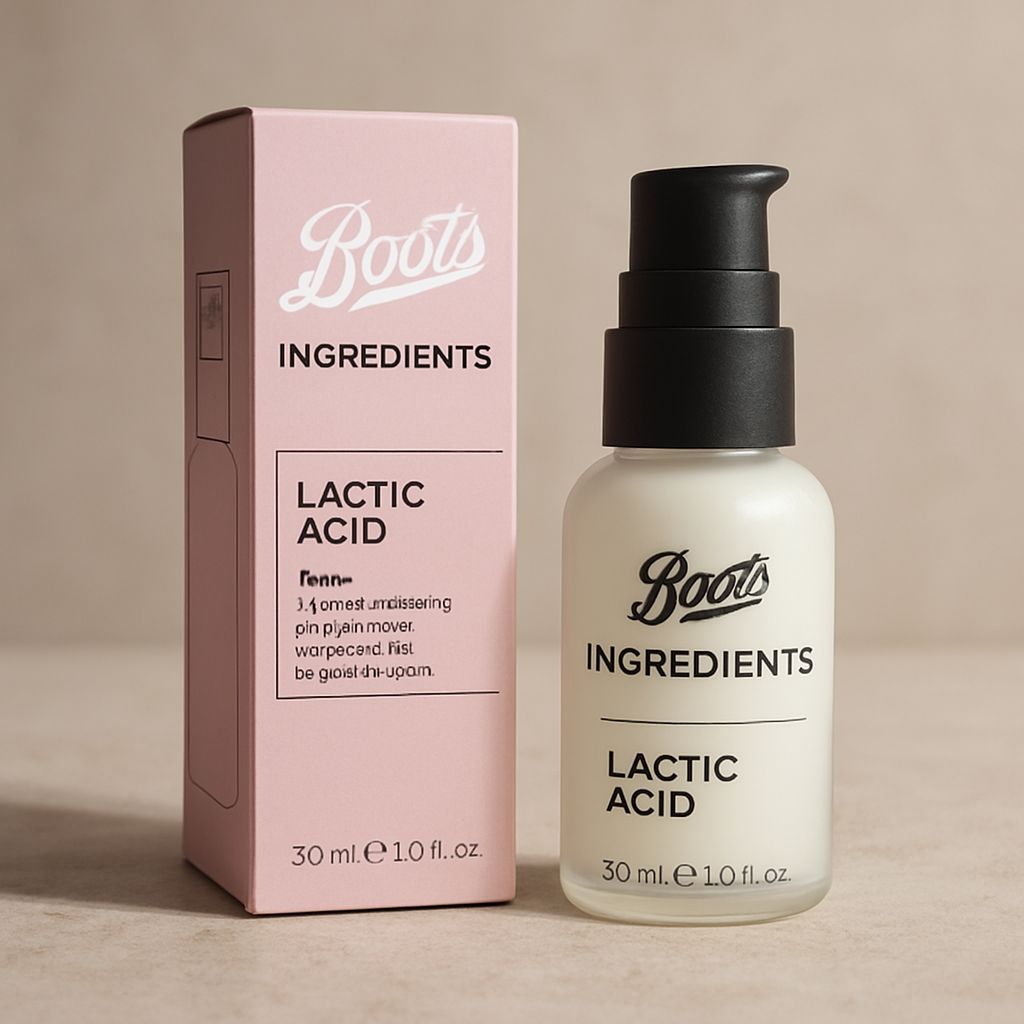
Alpha hydroxy acids (AHAs) such as glycolic and lactic acid exfoliate the surface of the skin, removing the pigmented dead cells that make dark spots more visible. Glycolic acid at 5-10% in a leave-on serum or toner produces consistent results with regular use. Mandelic acid is a gentler AHA particularly well-suited for sensitive or melanin-rich skin, where stronger acids risk triggering more PIH. Azelaic acid (10-20%) is another excellent choice among the best products to get rid of acne scars because it inhibits tyrosinase, reduces redness, and has anti-inflammatory properties, making it effective on both dark spots and erythema simultaneously.
What Does Niacinamide Do for Acne Scar Products?
Niacinamide (vitamin B3) at 4-10% interferes with the transfer of melanin from melanocytes to skin cells, reducing the depth of dark spots over time. It also reduces sebum production, minimizes pore appearance, and calms inflammation, making it one of the most multi-tasking ingredients in the best acne scar products category. Niacinamide is well-tolerated by most skin types, including sensitive and darker skin tones where other actives may cause irritation. It can be layered with vitamin C, retinol, and acids without significant interaction risk.
How Do You Build a Complete Acne Scar Routine?
A morning routine for acne scar fading includes gentle cleanser, vitamin C serum, moisturizer, and SPF 30+. An evening routine adds either retinol or an AHA exfoliant (alternate nights initially) after cleansing, followed by a hydrating moisturizer containing niacinamide. Do not use a strong AHA and retinol on the same night when starting out; the combined irritation often causes more PIH in sensitive skin. Azelaic acid can be used morning or night and fits well into either routine without significant conflicts. Patch-test new products on the inner arm before applying to the face. Results appear gradually, so photograph your skin in consistent lighting every four weeks to track progress objectively.
Next steps: Identify whether your scars are primarily dark spots, red marks, or texture-based, then select the active ingredients most targeted to that type. Start with one or two actives, allow six to eight weeks to assess results, and add additional products only once your skin has adapted without irritation.



Leave a Reply