
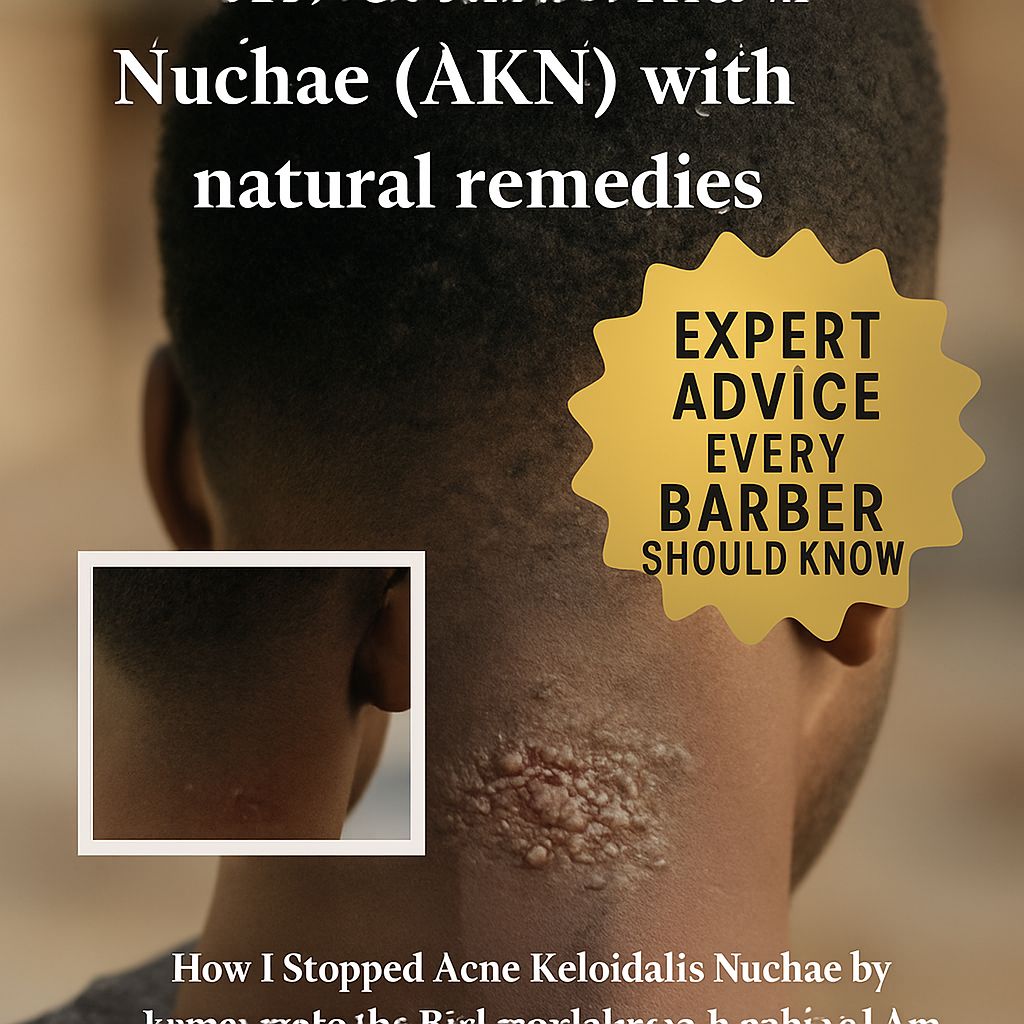
Acne Keloidalis Nuchae and Canine Acne: Treatment Guide for Humans and Pets
Acne keloidalis nuchae is a chronic inflammatory condition that forms firm, keloid-like bumps along the nape of the neck and lower scalp. Canine acne is a separate but structurally similar problem in dogs, producing red pustules and papules around the muzzle, chin, and lips. Acne keloidalis, the shorthand for the human condition, disproportionately affects men with tightly coiled hair and is notoriously difficult to treat once advanced scarring has formed. Acne keloidalis nuchae treatment ranges from topical antibiotics and corticosteroids to laser therapy and surgical excision. Dog acne treatment follows a different but overlapping logic, often starting with benzoyl peroxide shampoos and topical antimicrobials before escalating to prescribed therapies.
This guide covers both conditions clearly and separately, so you can find relevant information whether you are managing your own skin or your pet’s.
What Is Acne Keloidalis Nuchae?
Acne keloidalis nuchae begins as small, follicular papules and pustules at the back of the neck. Over time, repeated inflammation causes the follicles to destroy themselves and be replaced by scar tissue. The accumulated scar tissue forms keloid-like plaques that are firm, often itchy, and cosmetically distressing. The exact cause remains debated, but close shaving, friction from collars, and chronic follicle trauma are recognized contributing factors. The condition is not contagious and is not related to ordinary facial acne beyond a shared inflammatory mechanism.
What Are the Treatment Options for Acne Keloidalis?
Early-stage acne keloidalis nuchae treatment focuses on reducing active inflammation. Topical antibiotics such as clindamycin applied twice daily reduce bacterial load in affected follicles. Topical corticosteroids applied under medical supervision thin the scar tissue and decrease itch. For moderate disease, intralesional corticosteroid injections directly into plaques produce more significant flattening than topical application alone. Oral antibiotics including doxycycline or minocycline address systemic inflammation in extensive cases. For advanced scarring, laser hair removal (Nd:YAG laser is preferred for darker skin types) prevents new follicular inflammation. Surgical excision remains the definitive option for large, recalcitrant plaques, though recurrence is possible if preventive measures are not maintained afterward.
What Is Canine Acne?
Canine acne is a benign inflammatory condition of the hair follicles and surrounding tissue on a dog’s muzzle and chin. It appears most frequently in short-coated breeds such as Bulldogs, Boxers, Dobermanns, and Great Danes during adolescence, typically between five and twelve months of age. Early lesions are red bumps (papules); untreated cases can progress to blackheads, pustules, and in severe situations, deep nodules that rupture and leave scars. The condition often resolves on its own as the dog matures, but treatment speeds recovery and reduces scarring risk.
How Is Dog Acne Treated?
Mild dog acne treatment starts with cleaning the muzzle daily using a gentle antiseptic wipe or diluted chlorhexidine solution. A veterinarian-recommended benzoyl peroxide gel formulated for dogs (never human-strength products, which can irritate canine skin) may be applied topically. Moderately severe cases benefit from topical mupirocin or clindamycin prescribed by a veterinarian. Severe or infected lesions require oral antibiotics. Never attempt to squeeze or pop canine acne lesions; doing so worsens inflammation and increases scarring risk significantly. Keep the dog’s feeding bowl clean and consider switching to stainless steel or ceramic from plastic, which harbors bacteria in surface scratches.
How Do You Prevent Acne Keloidalis Nuchae?
The most effective prevention strategy is avoiding the trauma that initiates follicular damage. Avoid shaving the back of the neck with a razor; clippers that do not cut below the skin surface are a safer option. Keep collars loose and made from soft fabrics. Treat early papules promptly rather than allowing inflammation to accumulate over months. Wearing breathable fabric at the nape during hot weather reduces the moisture and friction that worsen existing lesions.
How Do You Manage Canine Acne Long Term?
Most dogs outgrow acne keloidalis without permanent scarring if mild cases are addressed early. Daily muzzle cleaning, clean food bowls, and monitoring for new lesions are the core management steps. Avoid squeezing lesions; inform all household members of this rule. Schedule a veterinary recheck if lesions multiply rapidly, become very large, or if the dog shows signs of pain when the muzzle is touched.
Next steps: For acne keloidalis nuchae, see a dermatologist early before follicular scarring becomes extensive, as treatment outcomes are significantly better at the papule stage than after plaques have formed. For canine acne, a veterinary visit confirms the diagnosis and rules out mange or ringworm, which can mimic canine acne appearance.


Leave a Reply