
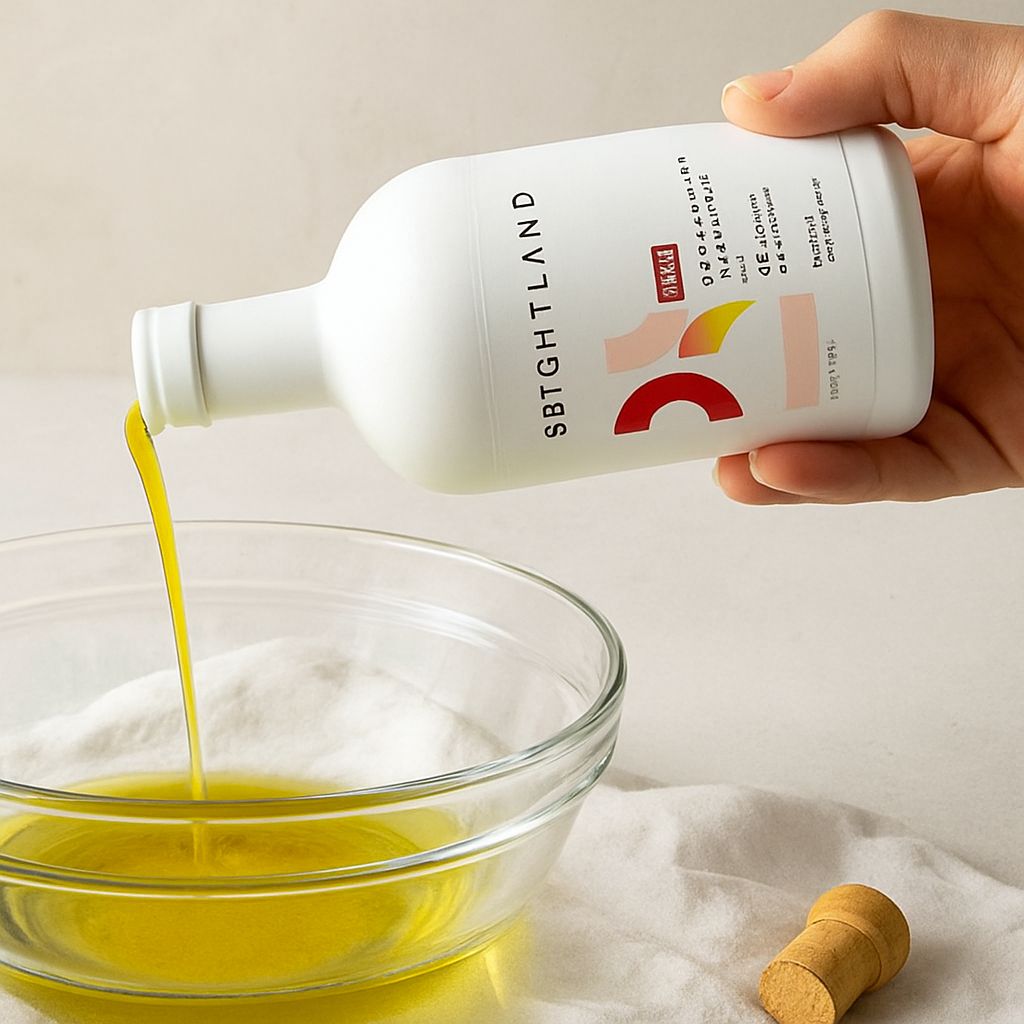
Olive Oil for Skin: Benefits, Safe Uses, and How to Apply It for Face, Body, and Scalp
Olive oil for skin has been used as a moisturizer and protective barrier ingredient for thousands of years, and modern cosmetic research has added nuance to understanding both its benefits and its limitations. Olive oil skin care works because the oil contains squalene, oleic acid, and polyphenols that support the lipid barrier, provide antioxidant protection, and contribute to a soft, supple texture. Olive oil for skin care as a practice spans multiple categories, from using it as a facial cleanser and makeup remover to applying it as a body oil after bathing. Olive oil for dandruff is a separate but related application, where the oil is applied to the scalp to soften flakes and reduce the dryness associated with certain types of dandruff. Using olive oil dandruff treatments requires knowing which type of scalp condition is involved, since applying oil to a fungal dandruff condition can worsen it by feeding the Malassezia yeast responsible.
The distinction between beneficial and counterproductive olive oil use comes down to skin type and application method. For dry, dehydrated, or barrier-compromised skin, olive oil provides real benefit. For acne-prone or congestion-prone skin, its high oleic acid content makes it more likely to clog pores than lighter alternatives like rosehip or squalane oil. Understanding where olive oil fits best in a skin care and scalp care routine prevents the common frustration of using a time-tested ingredient in the wrong context.
How Olive Oil Benefits Skin
Barrier Support and Moisturization
The lipid composition of olive oil closely mirrors the skin’s natural oils, which is why it integrates into the skin barrier relatively well. Oleic acid, the dominant fatty acid in olive oil, is also present in the skin’s sebum, making olive oil a compatible moisturizer for normal to dry skin types. The squalene content provides additional emollient benefits and is particularly useful for mature skin where natural squalene production declines with age. Applying olive oil to damp skin after bathing traps water in the skin surface and creates a softening effect that lasts several hours.
Antioxidant Activity
Extra virgin olive oil contains polyphenols including hydroxytyrosol and oleuropein, which have documented antioxidant activity in laboratory settings. These compounds may protect the skin from UV-related oxidative stress and environmental pollution when applied topically, though the concentration that penetrates the skin from topical application is lower than what is achieved through dietary intake. Using extra virgin olive oil rather than refined olive oil preserves more of these active compounds, making it a better choice for skin applications where antioxidant benefit is part of the goal.
Olive Oil for Dandruff: When It Helps and When It Does Not
Dandruff falls into two main categories: dry scalp dandruff, characterized by small white flakes without significant oiliness, and seborrheic dermatitis, which involves larger oily yellowish flakes and is associated with an overgrowth of Malassezia yeast on the scalp. Olive oil for dandruff is most appropriate for dry scalp conditions where moisture is genuinely deficient. Applying a small amount of warmed olive oil to the scalp, covering with a shower cap for 30 minutes, then washing thoroughly removes flake buildup and reduces dryness-related itching. For seborrheic dermatitis, however, adding more oil to an already oil-rich environment can worsen the condition by providing additional substrate for yeast growth. Medicated shampoos containing ketoconazole or selenium sulfide are the appropriate first-line treatment for yeast-associated dandruff.
Olive Oil Skin Care for Different Skin Types
Dry and Mature Skin
Dry and mature skin types benefit most from olive oil skin care. The heavy emollient texture makes it effective as a night treatment applied to the face and neck, as a cuticle softener, and as an intensive treatment for cracked heels or elbows. For facial use on dry skin, a few drops pressed into the skin after a water-based serum seals in moisture without leaving a greasy film on properly dry skin types.
Combination and Oily Skin
Combination and oily skin types should be cautious with olive oil on the face. The high oleic acid content is associated with increased comedone formation in some individuals, meaning regular facial use can trigger blackheads and breakouts. The body, hands, and feet tolerate olive oil better than facial skin in most people, regardless of their skin type. Spot-testing on a small area for one to two weeks before committing to full facial use is the practical approach for anyone unsure of their skin’s compatibility with the oil.
How to Use Olive Oil in Your Routine
For body moisturization, apply two to three drops of extra virgin olive oil to damp skin immediately after showering and massage in before drying. For a scalp treatment, section the hair and apply a small amount directly to the scalp, not just the hair shaft, and leave on for 20 to 30 minutes before shampooing. For makeup removal, massage a small amount onto dry skin in circular motions, then remove with a damp washcloth followed by your regular cleanser to prevent residue buildup. For dry cuticles, a drop massaged into each nail bed nightly improves hydration noticeably within one to two weeks.
Choosing the Right Olive Oil for Skin Use
Extra virgin olive oil is the preferred grade for topical skin and scalp applications because it retains more of the polyphenols and minor beneficial compounds that are removed during the refining process. Cold-pressed extra virgin olive oil from a single source tends to have higher polyphenol content than blended products. Avoid flavored or infused culinary olive oils since additional ingredients may cause reactions. Store topical olive oil in a dark, cool location since oleic acid is susceptible to oxidation, and oxidized oil can be irritating when applied to the skin.
Next steps: Start with olive oil as a body or hand moisturizer rather than jumping directly to facial use, which lets you gauge skin compatibility without risking breakouts. If scalp dryness is a concern, try a once-weekly olive oil scalp treatment for four weeks and track whether flaking and itching improve before committing to it as a regular practice. Anyone with a confirmed seborrheic dermatitis diagnosis should consult a dermatologist before adding oils to their scalp routine.


Leave a Reply