
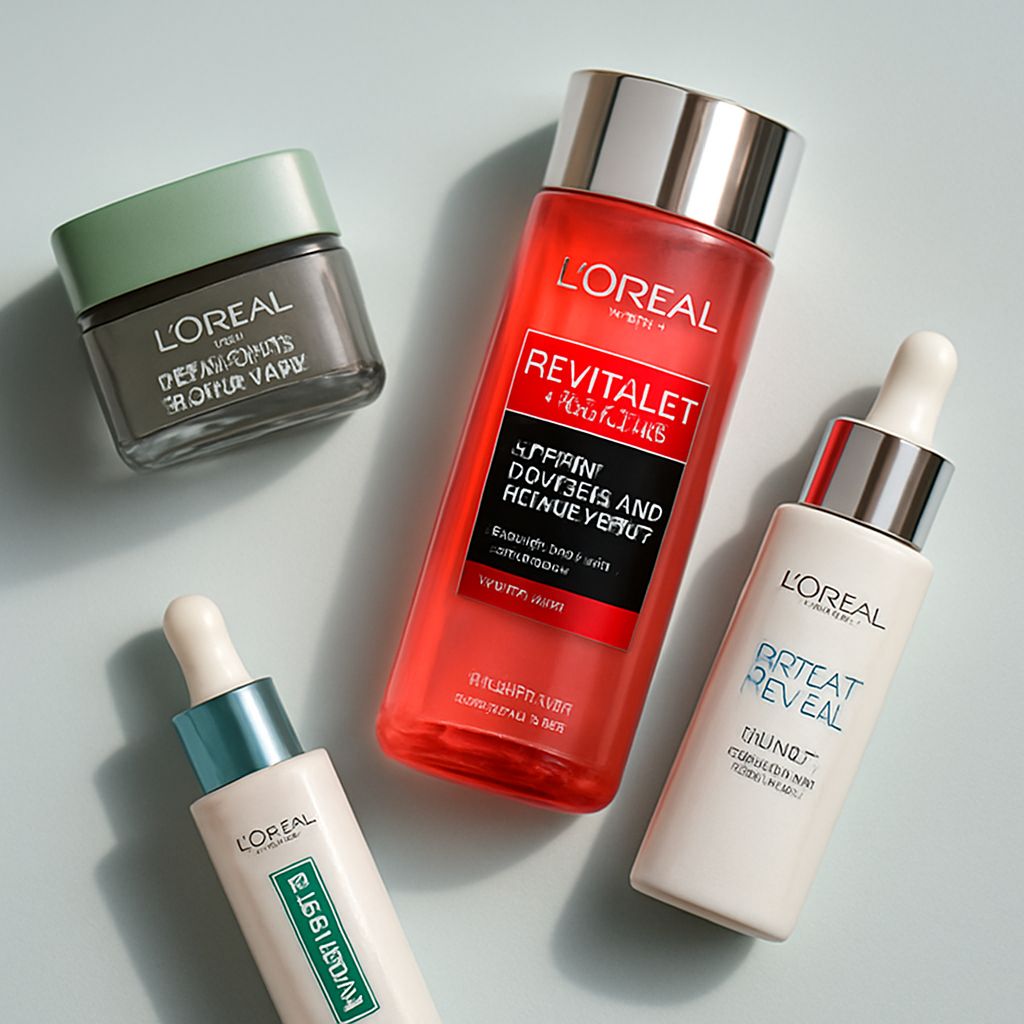
Best Exfoliator for Oily Skin: Building a Complete Routine That Controls Shine and Congestion
Finding the best exfoliator for oily skin means understanding that oily skin needs regular cell turnover support but is easily over-exfoliated into producing even more oil as a stress response. The best toners for oily skin often double as chemical exfoliants, delivering salicylic acid or glycolic acid in a leave-on formula that clears congestion without the mechanical friction of scrubs. Microblading oily skin is one area where exfoliation matters far beyond aesthetics, since rough texture and dead skin buildup directly affects how pigment is deposited and retained. Oily skin and hair often share the same underlying sebum overproduction, meaning a routine that manages scalp oil can sometimes be adapted with modifications to benefit both zones. Choosing the best eye primer for oily skin also connects to exfoliation, since creasing primers settle into dry patches and flaking skin in the eye area, making light chemical exfoliation a prerequisite for lasting eye makeup.
The key distinction in oily skin exfoliation is chemical versus physical. Chemical exfoliants dissolve the bonds holding dead cells together, while physical exfoliants manually remove them through friction. Most dermatologists prefer chemical options for oily or acne-prone skin because they are more controllable, less likely to cause micro-tears, and can be formulated to address multiple oily-skin concerns simultaneously. This guide covers every product category relevant to exfoliating and managing oiliness, from daily toners to pre-microblading prep and long-wear eye area priming.
Chemical vs. Physical Exfoliants for Oily Skin
BHA Exfoliants
Beta hydroxy acids, particularly salicylic acid, are the gold standard for oily and acne-prone skin. Salicylic acid is oil-soluble, which means it penetrates through sebum into the pore lining rather than remaining on the surface. It dissolves the debris and dead cells inside clogged pores, reducing blackheads and preventing new congestion from forming. Concentrations between 0.5% and 2% are effective for daily use, with higher percentages reserved for targeted spot treatments. A BHA toner used once daily in the evening is typically the most impactful single addition to an oily skin routine focused on congestion and texture.
AHA Exfoliants
Alpha hydroxy acids such as glycolic acid and lactic acid work on the skin surface rather than inside the pore. They dissolve the bonds between dead skin cells to improve texture, radiance, and the absorption of subsequent products. Glycolic acid has the smallest molecular size among AHAs and penetrates most effectively, while lactic acid is gentler and suits slightly dehydrated oily skin where barrier compromise is a concern. Using an AHA and a BHA on alternate evenings gives broad exfoliation coverage without the risk of over-exfoliating that comes from layering both on the same night.
Best Toners for Oily Skin: What to Look For
The best toners for oily skin do more than exfoliate. They restore a slightly acidic skin pH after cleansing, which helps the skin barrier function optimally and reduces the likelihood of breakouts. A well-formulated exfoliating toner for oily skin contains an active acid at an effective concentration, lacks alcohol as a primary ingredient (alcohol causes rebound oil production), and includes some form of soothing ingredient to balance the exfoliating activity. Niacinamide is a particularly compatible ingredient to look for alongside acids in oily skin toners because it regulates sebum production independently of the exfoliation mechanism.
Microblading Oily Skin: Why Exfoliation Matters Before and After
Microblading oily skin presents unique challenges because excess sebum in the skin can push pigment out of the dermis during the healing process, causing the strokes to appear blurry or fade faster than normal. Pre-procedure exfoliation, typically chemical rather than physical to avoid irritation, removes the buildup of dead cells and surface oils that create an uneven substrate for pigment deposit. Most microblading technicians recommend stopping chemical exfoliation one to two weeks before the procedure to avoid active skin sensitivity during the healing phase. Post-procedure care prohibits exfoliation entirely for four to six weeks while the skin repairs, but resuming a gentle chemical exfoliation routine after full healing helps maintain texture and slow the buildup that accelerates pigment fading.
Managing Oily Skin and Hair Together
Oily skin and hair share the same underlying hormonal and sebaceous gland activity, so it is useful to address both through overlapping strategies. Scalp-targeted shampoos containing salicylic acid or zinc pyrithione reduce oiliness at the hairline and temples, which often benefits the adjacent facial skin by reducing the oil transfer that occurs during the day. Keeping hair off the face and choosing non-comedogenic hair products are mechanical interventions that reduce oil and product residue from settling on already-oily facial skin.
Best Eye Primer for Oily Skin: The Exfoliation Connection
The best eye primer for oily skin creates a matte, grip-enhanced surface that keeps eyeshadow and liner in place for hours. However, primers settle into fine lines, peeling skin, and rough texture in the lid area, making the eye makeup look patchy by midday. A very light chemical exfoliant, such as a mandelic acid or low-concentration lactic acid product applied to the lid area two to three times per week, smooths the texture that causes primer adhesion failure. Avoid applying chemical exfoliants directly to the lash line or inside the orbital rim. A smooth, well-hydrated lid area makes primer application easier and significantly extends wear time of eye products.
Bottom line: The best exfoliators for oily skin combine a BHA for inside the pore and an AHA for surface texture, used on alternating evenings to avoid disrupting the skin barrier. Apply this foundation before layering any performance-focused products like microblading prep, eye primer, or long-wear toners, since well-exfoliated skin responds better to all of them.



Leave a Reply