
My Cat Has a Lump on His Neck Under the Skin: What It Could Be and When to Act
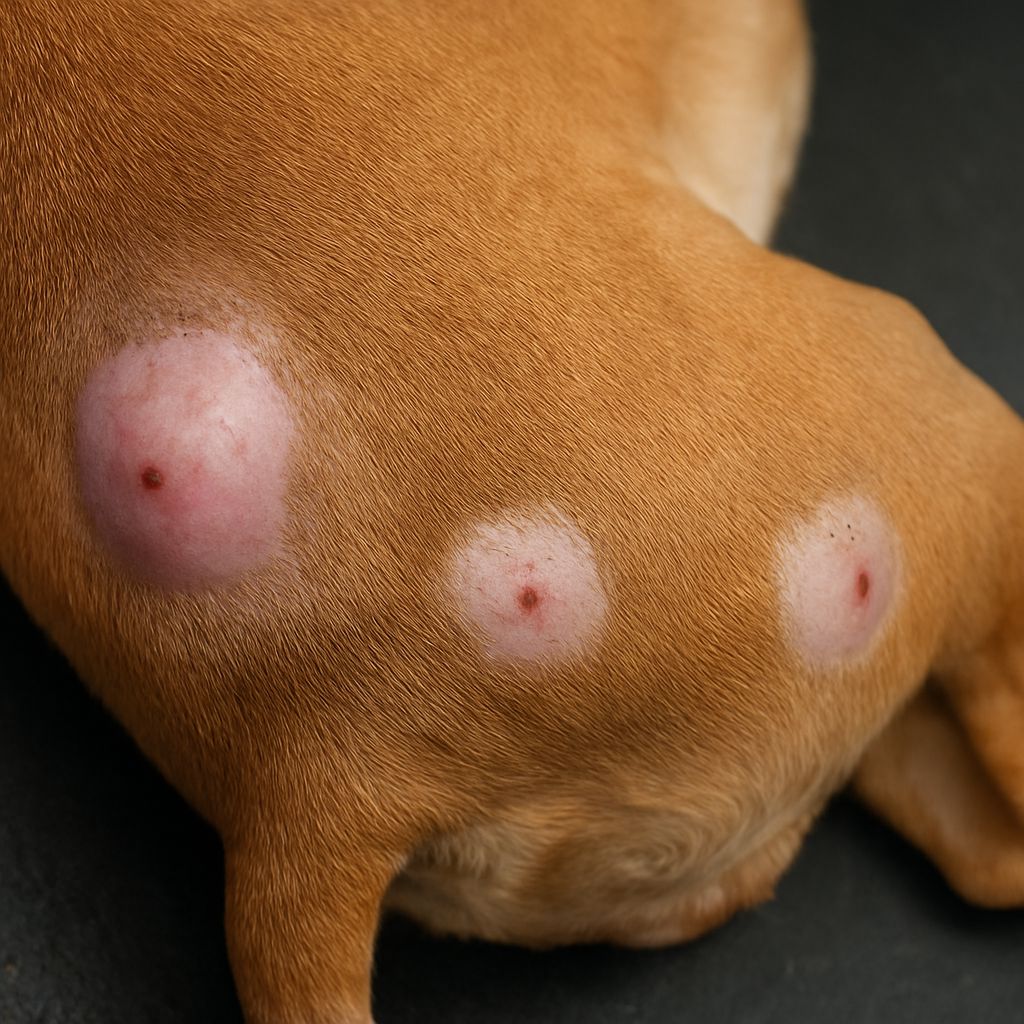
Discovering that my cat has a lump on his neck under the skin is a moment of immediate concern for most pet owners, and rightly so. Lumps in this location can range from entirely benign post-vaccination reactions to lymph node swelling indicating infection or, in rarer cases, something more serious. Cat has bumps on skin in multiple locations simultaneously is a different presentation from a single isolated cat lump under skin at the neck, and the distinction matters significantly for how quickly veterinary evaluation should happen.
A cat lump under skin is not automatically an emergency, but it is not something to ignore for more than one to two weeks either. Bumps on cats skin that change rapidly in size, feel hard or irregular, or are accompanied by weight loss, lethargy, or loss of appetite warrant a same-week veterinary visit rather than a wait-and-see approach. A cat skin growth that has been present and unchanged for months is less alarming than one that appeared within days and is growing. Context is everything in feline lump assessment.
Common Benign Causes of a Neck Lump in Cats
Post-Vaccination Reactions
Vaccination site reactions are the most common cause of a firm cat lump under skin at the neck or shoulder region. These reactions typically appear within days to two weeks after vaccination and resolve on their own within one to three months. A post-vaccination lump should be soft to firm, movable, and not attached to underlying tissue. Any vaccination site lump that persists longer than three months, grows larger than two centimeters, or feels hard and adhered to underlying tissue must be evaluated promptly, as vaccine-associated sarcoma is a rare but serious possibility in cats.
Swollen Lymph Nodes
The submandibular and prescapular lymph nodes are located in the neck and shoulder region of cats. Swollen lymph nodes create a cat lump under skin that feels distinct from a cyst or lipoma because lymph node swellings are typically multiple, bilateral, and accompanied by other signs of illness. A cat with swollen lymph nodes may have a respiratory infection, dental disease, or a systemic condition affecting the immune system. Palpating the neck area during a physical examination helps a veterinarian determine whether what feels like a single lump is actually lymph node enlargement.
What Bumps on Cats Skin in Other Areas May Signal
Cats can develop multiple bumps across the skin for several reasons beyond localized cysts. Miliary dermatitis, caused by flea allergy or other hypersensitivity reactions, creates dozens of small scabby bumps scattered across the back and neck. Eosinophilic granuloma complex creates raised, firm plaques or linear lesions on the skin, most commonly on the face, belly, or thighs. These immune-mediated conditions produce cat has bumps on skin presentations that require anti-inflammatory or anti-parasitic treatment depending on the underlying cause.
Cat Skin Growths That Need Prompt Evaluation
Feline Injection-Site Sarcoma
Feline injection-site sarcoma (FISS) is an aggressive soft tissue tumor that develops at vaccination or injection sites. It is rare, affecting approximately 1 in 10,000 to 30,000 vaccinated cats, but it is highly locally invasive and can metastasize. Warning signs include a firm, non-movable cat skin growth at a previous injection site that does not shrink within three months, grows faster than one centimeter per month, or exceeds two centimeters in diameter. Surgical excision is the primary treatment, with the best outcomes achieved with early intervention and wide margins.
Mast Cell Tumors
Mast cell tumors are among the more common skin tumors in cats. They appear as single or multiple raised nodules that may be hairless and range from pink to brown. Unlike canine mast cell tumors, the feline form is often benign and can be located anywhere on the skin. However, they cannot be reliably distinguished from more aggressive growths by appearance alone. Any new, persistent cat skin growth should be evaluated by fine-needle aspirate, a minimally invasive diagnostic procedure that takes minutes and provides significant information about the cell type present.
What to Expect at the Veterinary Appointment
When a cat arrives with a lump under the skin, the veterinarian begins with a physical examination of the entire body to check for additional lumps, lymph node enlargement, and overall health status. Fine-needle aspirate of the lump is the most informative immediate diagnostic step: a small needle is inserted into the mass and cells are collected for cytological examination. Results from in-house cytology are available within minutes to hours. Some lumps, such as lipomas, have a characteristic appearance under the microscope that confirms their benign nature immediately. Others require biopsy for definitive diagnosis.
Home Monitoring Guidelines for Cat Lumps
If a veterinarian has examined the lump and determined it does not require immediate action, monitor it at home by measuring its size with a soft tape measure every two weeks and noting any change in texture, whether it becomes adhered to underlying tissue, and whether the cat begins showing discomfort when the area is touched. Photograph it regularly in consistent lighting and bring the documentation to the next appointment. This systematic monitoring approach catches changes that might otherwise go unnoticed during the interval between veterinary visits.
Bottom line: A lump under a cat’s neck skin is worth investigating professionally even when the cat appears otherwise healthy and comfortable. The majority of bumps on cats skin are benign, but the rare exceptions, particularly vaccine-associated sarcomas, have the best outcomes when caught early. Do not wait more than two weeks before seeking an evaluation for any new, growing, or hard-feeling feline skin lump.





Leave a Reply