
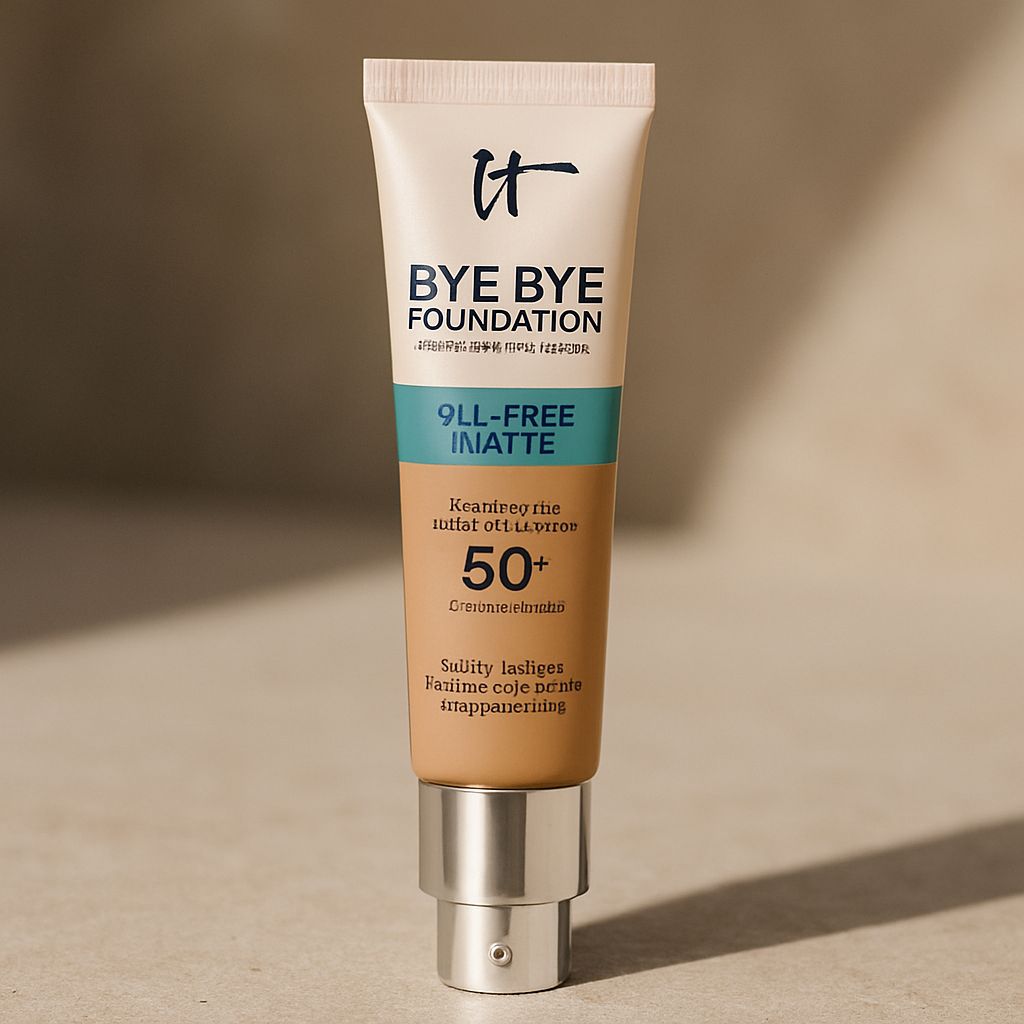
Full Coverage Foundation for Oily Skin: Best Formulas for Acne-Prone and Dry-Acne Types
Finding a full coverage foundation for oily skin that stays matte without clogging pores is a more specific challenge than general foundation shopping. Oily skin needs strong oil control and high pigment load simultaneously, but many of the film-forming agents that provide oil control are also comedogenic. Adding to the complexity, a dewy foundation for oily skin seems contradictory on the surface, yet certain people with combination-to-oily skin prefer a healthy glow in the cheekbone area even while controlling shine on the T-zone. The best approach is matching foundation finish to specific skin zones rather than selecting one formula that is either all-matte or all-dewy for the entire face.
Full coverage foundation for acne presents an additional variable: the formula must cover active breakouts and post-acne marks without irritating inflamed follicles or trapping oil under the product film. Foundation for dry acne prone skin is perhaps the trickiest sub-category of all, requiring the oil control that prevents clogging while also providing moisture that prevents the dry, flaky patches that make acne-prone but also dehydrated skin so difficult to cover smoothly. A good foundation for acne regardless of whether the skin is also oily or dry should be non-comedogenic, fragrance-free, and tested for skin sensitivity.
What to Look for in a Full Coverage Foundation for Oily Skin
Oil-Control Ingredients
Silica microspheres, kaolin clay, and dimethicone polymers are the workhorses of matte, oil-controlling foundations. Silica absorbs sebum actively throughout the wear period. Kaolin clay works similarly with a slightly mattifying finish. Dimethicone creates a breathable barrier that limits sebum breakthrough without completely occlusive behavior. Foundations that include all three tend to have the longest oil-control wear time.
Non-Comedogenic Standards
The non-comedogenic label on a foundation means it has been tested and found unlikely to block pores, but this testing is voluntary and unstandardized. For acne-prone oily skin, cross-check the ingredient list for known comedogenic components including isopropyl myristate, coconut oil, cocoa butter, and some forms of lanolin. Water-based silicone foundations are typically safer for congestion-prone skin than oil-based formulas.
Dewy Foundation for Oily Skin: When It Works
A dewy foundation on oily skin works best for people with combination skin who have dry cheekbones alongside an oily T-zone. Applying a dewy foundation across the entire face amplifies shine on the forehead, nose, and chin while adding glow to the cheeks. A workable strategy is using a matte full coverage foundation only on the T-zone while applying the dewy formula elsewhere, blending at the boundaries for a natural transition. This custom-zone approach delivers both the shine control and the healthy glow simultaneously without fighting the skin’s natural sebum patterns.
Full Coverage Foundation for Acne: Managing Active Breakouts
Avoiding Friction on Inflamed Skin
Applying foundation over active papules and pustules requires a light, stippling technique rather than blending or buffing. Rubbing over an active pimple spreads bacteria to adjacent follicles and can rupture the lesion, worsening the mark underneath. A damp beauty sponge used in a pressing motion deposits product without mechanical irritation. Build coverage by adding thin layers rather than pressing more product into the same spot repeatedly.
Salicylic Acid Foundations
Some full coverage foundations for acne-prone skin contain salicylic acid at concentrations of 0.5 to 2 percent. At these levels the acid can provide mild exfoliation and pore-clearing benefit at the surface while the foundation covers existing marks. This is not a substitute for a complete acne treatment routine but provides a practical benefit during the hours the foundation is worn. Not all acne-prone people tolerate salicylic acid in a leave-on formula well; test on a small area before using it as a daily base.
Foundation for Dry Acne Prone Skin: Balancing Act
People with both dry patches and acne-prone areas need a foundation that hydrates without feeding acne-causing bacteria with heavy oils. Look for formulas labeled hydrating or moisturizing with oil-free actives such as glycerin, hyaluronic acid, and niacinamide as the moisturizing agents. These water-based humectants add hydration without the pore-clogging risk associated with occlusive plant oils. Apply over a lightweight oil-free moisturizer that has been given two to three minutes to absorb before foundation application.
Application Tools That Maximize Foundation Performance on Oily Skin
A damp beauty sponge applies the least product while providing seamless blending and gives a naturally skin-like finish. A dense flat foundation brush builds coverage more precisely but can leave streaking if not worked in with a circular blending motion. Fingers are surprisingly effective for cream foundations because body heat thins the formula for easy blending, though this introduces more bacteria from hand contact. Whatever tool is used, a matte setting powder applied lightly over the foundation and setting spray used to lock everything in place extend wear time on oil-prone skin significantly.
Pro tips recap: A full coverage foundation for oily skin performs best when paired with a pore-minimizing primer and a mattifying setting powder focused on the T-zone. For acne-prone skin of any type, choose non-comedogenic, fragrance-free formulas and apply with a stippling rather than buffing technique over active breakouts. A dewy finish works on oily complexions only when applied selectively to drier zones rather than across the face.



Leave a Reply