
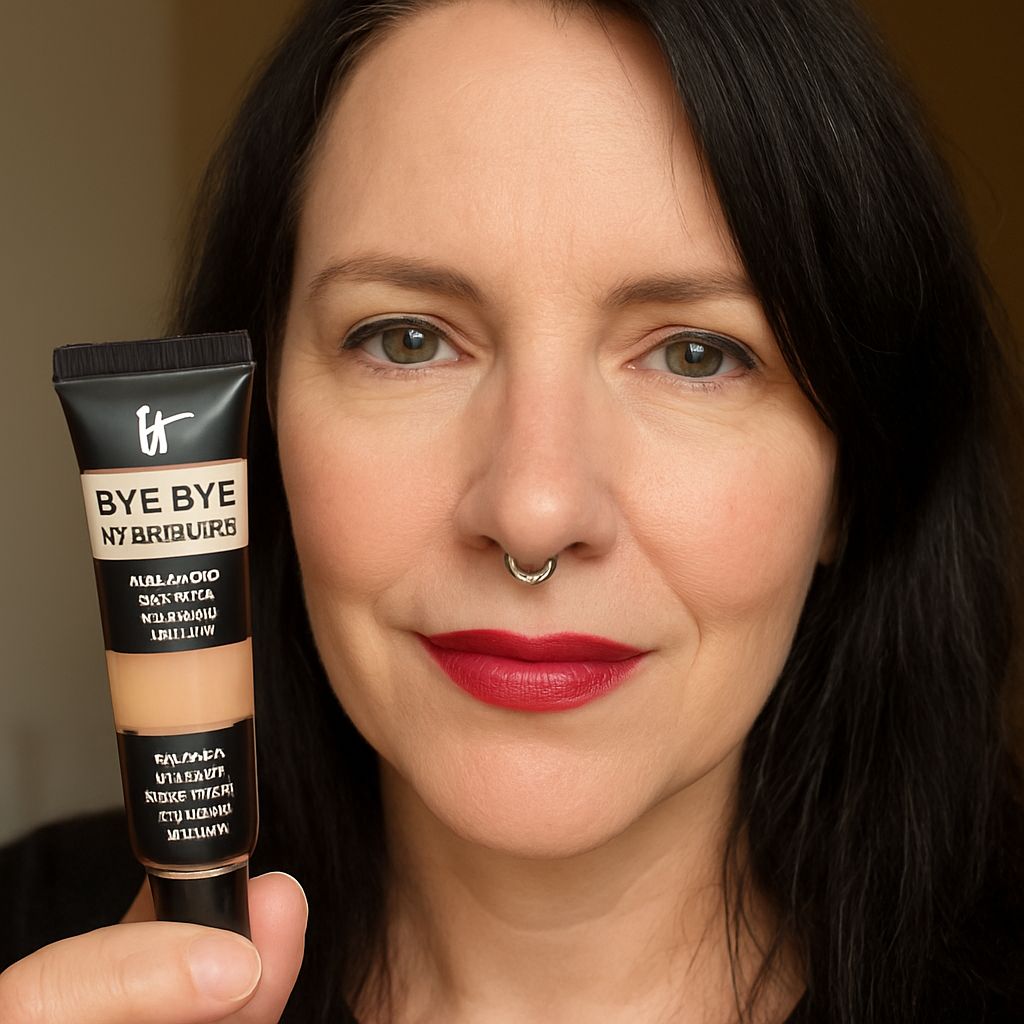
Hydrating Concealer: Best Options for Dark Spots, Dry Skin, and Deeper Complexions
A hydrating concealer is not simply a concealer with moisturizing marketing language attached to it. It is a formula specifically engineered to deposit pigment without pulling moisture away from the skin or settling into fine lines and creases throughout the day. For people with dry skin, mature skin, or skin prone to dehydration, finding the best concealer for dark spots that also provides genuine moisture rather than just coverage changes the entire experience of wearing base makeup. Standard concealers often contain high pigment loads suspended in matte-finish polymers that cling to dry patches and make skin texture more visible rather than less.
The best hydrating concealer delivers a balance of coverage and comfort without the cakey or powdery finish that drying formulas produce. A moisturizing concealer that works well on dry skin often performs differently from one designed for normal skin, and concealer for dark skin comes with its own set of requirements around shade range and undertone accuracy that many brands still do not address adequately. This guide covers what distinguishes genuinely hydrating formulas, which skin concerns they address best, and how to apply them for the most natural-looking results.
What Makes a Concealer Truly Hydrating?
Key Moisturizing Ingredients
Look for concealers that list hyaluronic acid, glycerin, squalane, niacinamide, or ceramides among the first several ingredients. These actives pull or seal moisture into the skin rather than simply sitting as pigment on top of it. Formulas with these ingredients genuinely improve skin comfort throughout the day rather than just marketing moisturization without delivering it.
Finish and Formula Type
A satin or natural finish, rather than matte, indicates a formula that allows some moisture vapor to pass through the product film. Full matte concealers are often the driest on skin because they rely on film-forming polymers that block moisture transfer. Cream-to-powder formulas fall somewhere in between and can work for combination skin but tend to be too drying for very dehydrated skin types.
Best Concealer for Dark Spots: Coverage Requirements
Hyperpigmentation, post-acne marks, and melasma require medium to full coverage to be effectively neutralized. A hydrating concealer with buildable pigment allows you to layer coverage over dark spots specifically while keeping surrounding areas lighter. Apply a small amount with a flat concealer brush, press rather than buff to avoid disturbing the pigment layer, and set with a minimal amount of translucent powder only over the spot rather than across the entire under-eye or surrounding area.
Moisturizing Concealer for Under-Eye Circles
Blue-Purple Circles
Under-eye circles with a blue-purple cast respond well to a peach or salmon color corrector applied before the hydrating concealer. On deeper complexions, a deeper coral or terracotta corrector is needed to effectively neutralize the discoloration before applying concealer in the correct skin-match shade on top.
Brown Circles and Hollows
Brown under-eye circles on deeper skin tones are a combination of pigmentation and structural shadow. A moisturizing concealer one or two shades lighter than the skin tone applied to the inner corner and under the eye lifts the area visually. Setting with a pearlescent loose powder rather than a flat matte powder preserves the luminosity that makes under-eye coverage look fresh rather than cakey.
Concealer for Dark Skin: Shade Range and Undertone Matching
Finding an accurate concealer for dark skin requires attention to both depth and undertone. Foundations and concealers in deep shades often skew either too ashy or too orange, both of which create an unnatural finish against richly pigmented complexions. Look for brands that specifically develop their deep shade range with neutral, warm-neutral, or golden undertones rather than a single generic dark shade. Testing concealer in natural daylight on the undereye or jawline, not on the back of the hand, gives the most accurate shade assessment before purchasing.
Application Tips for Hydrating Concealers
Apply After Moisturizer, Before Setting
Apply a hydrating concealer after your moisturizer has been absorbed but before any powder product. Applying it directly over a freshly applied moisturizer can cause it to slide. Waiting sixty to ninety seconds allows the moisturizer to set without drying out before concealer is applied. Use the warmth of your finger or a damp sponge to blend rather than a dry brush, which can move product around without blending it into the skin.
Avoid Over-Powdering
The most common mistake with hydrating concealers is over-setting with powder, which defeats the moisturizing purpose of the formula. A light press of translucent powder with a clean beauty sponge, focused only on areas prone to creasing rather than across the entire application area, provides hold without eliminating the natural finish that makes hydrating formulas look like skin.
Longevity Without Drying: Keeping Hydrating Concealer in Place
Hydrating concealers typically have less staying power than matte formulas because they do not contain the same hold-providing polymers. A primer specifically for the eye area or a setting spray applied after the full makeup routine significantly extends wear without adding dryness. Avoid oil-blotting papers on areas where hydrating concealer has been applied, as they remove moisture along with excess oil and cause the formula to shift.


Leave a Reply