
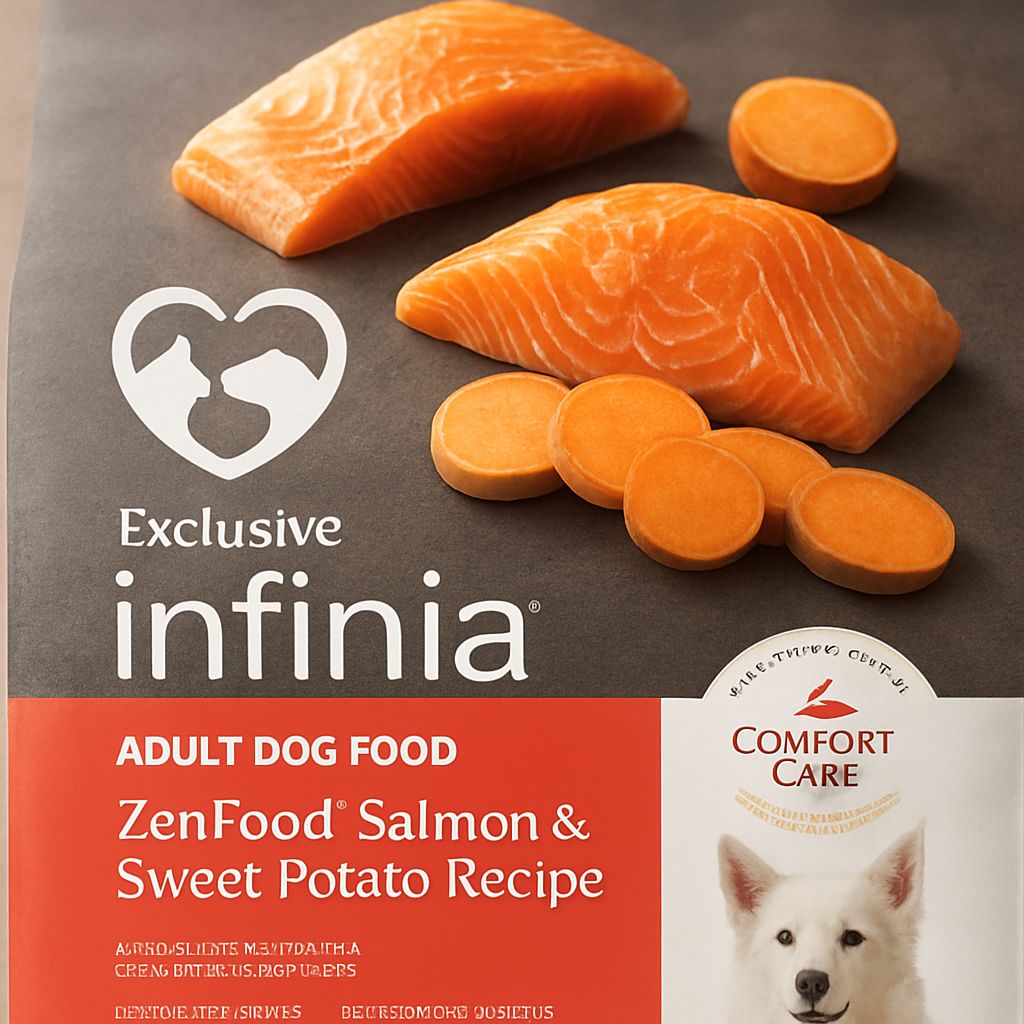
Salmon Skin for Dogs: Benefits, Sweet Potato Skin, and Foods for Skin Allergies
Salmon skin for dogs is one of the most nutrient-dense food additions you can offer a pet struggling with a dull coat or dry, itchy skin. The skin of salmon is rich in omega-3 fatty acids, particularly EPA and DHA, which directly support the canine skin barrier and reduce systemic inflammation that drives allergic skin reactions. Whether you are investigating what fish to add to your dog’s bowl or exploring dog food for dogs with skin allergies, salmon and its skin offer a well-studied nutritional advantage over many other protein sources.
Can cats eat salmon skin is a related question that comes up frequently in households with both species. Sweet potato skin for dogs adds fiber and micronutrients to the diet and is generally well tolerated, though it has a different mechanism of action for skin health than omega-3-rich fish. Yogurt for skin health in dogs is another food-based approach worth understanding, particularly for pets whose skin issues relate to gut microbiome imbalances. This guide covers all four food categories with practical guidance on portions, preparation, and when food changes alone may not be enough.
Benefits of Salmon Skin for Dogs
Omega-3 Fatty Acid Content
The skin of salmon concentrates a higher proportion of omega-3 fatty acids than the flesh alone. Regular inclusion of cooked salmon skin in a dog’s diet, two to three times per week in appropriate portions, provides a practical way to increase EPA and DHA without purchasing a separate fish oil supplement. For a dog displaying signs of dry, flaky coat, hot spots, or allergy-related scratching, the anti-inflammatory effect of omega-3s at the skin level can produce visible improvement within four to six weeks of consistent inclusion.
Preparation and Portion Safety
Salmon skin fed to dogs should always be fully cooked, not raw or smoked. Raw salmon can carry Neorickettsia helminthoeca, the organism responsible for salmon poisoning disease, which is potentially fatal in dogs. Smoked salmon skin contains very high levels of sodium that can cause dehydration and electrolyte imbalances. Plain, baked or boiled salmon skin without seasoning is the only safe preparation. Portions should be modest since salmon skin is calorie-dense; a piece roughly the size of your palm is appropriate for a medium-sized dog.
Can Cats Eat Salmon Skin?
Cats can eat cooked salmon skin in small amounts, and many cats enjoy it. The same preparation rules apply: fully cooked, unseasoned, and not smoked. Cats are obligate carnivores and process fatty acids differently from dogs, but omega-3s from fish still benefit feline skin and coat health. However, fish should not constitute the majority of a cat’s diet, as excessive fish consumption can cause nutritional imbalances including vitamin E deficiency. Salmon skin as an occasional treat rather than a dietary staple is the appropriate approach for cats.
Dog Food for Dogs with Skin Allergies: What to Look For
Novel Protein Diets
Food allergies in dogs typically develop against proteins eaten repeatedly over time. The most common culprits are chicken, beef, dairy, wheat, and egg. Switching to a dog food for dogs with skin allergies based on a protein the dog has never been exposed to, such as duck, venison, kangaroo, or rabbit, can significantly reduce allergic skin inflammation within eight to twelve weeks. The key is strict dietary control during the elimination trial with no treats, table scraps, or flavored supplements from other protein sources.
Hydrolyzed Protein Formulas
Hydrolyzed protein diets break down protein molecules into fragments too small for the immune system to recognize as allergens. These veterinary prescription formulas are the gold standard for confirming and managing food allergies when novel protein diets are impractical or when cross-contamination risk in standard pet food manufacturing is a concern.
Sweet Potato Skin for Dogs: Fiber and Antioxidant Support
Sweet potato skin is safe for dogs in moderate amounts and provides dietary fiber that supports gut health and regular digestion. A well-functioning digestive system supports skin health indirectly by improving nutrient absorption and reducing systemic inflammation linked to gut dysbiosis. Sweet potato skin also contains beta-carotene, which the body converts to vitamin A, an important nutrient for skin cell renewal. Remove any wax coating from commercial sweet potatoes before feeding, and serve baked or boiled without butter, salt, or seasoning.
Yogurt for Skin Health in Dogs
Plain, unsweetened, full-fat yogurt provides live cultures of Lactobacillus and Bifidobacterium species that can support gut microbiome diversity. An emerging body of veterinary research links gut microbiome health to skin inflammatory conditions in dogs through the gut-skin axis. One to two tablespoons of plain yogurt several times per week may benefit dogs whose skin issues co-occur with digestive irregularities. Avoid yogurt with added sugar, xylitol, or fruit flavoring, all of which can be harmful to dogs. Dogs with dairy sensitivity should skip yogurt and use a veterinary probiotic supplement instead.
Safety recap: Always cook salmon fully before offering the skin to dogs or cats; raw salmon carries a parasite-transmitted disease that is fatal to dogs without rapid veterinary treatment. Introduce any new food gradually over five to seven days to monitor for digestive upset or worsening of existing skin conditions. If skin allergies do not improve within eight weeks of dietary change, consult a veterinary dermatologist for allergy testing and targeted management.





Leave a Reply