
Cat Skin Conditions Scabs: Home Remedies for Dry Skin, Allergies, and Irritation
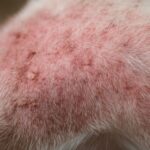
Cat skin conditions scabs are among the more unsettling things a cat owner can discover during a routine petting session. Tiny crusted lesions scattered across the back, neck, or belly can appear overnight and multiply rapidly if the underlying trigger is not addressed. Cat dry skin scabs typically feel rough and flake off when touched, while scabs from allergic or parasitic causes tend to be firmer and may be surrounded by visible redness. Before reaching for cat skin problems home remedies, identifying which category of problem you are dealing with makes the difference between a quick resolution and weeks of ineffective trial and error.
Cat skin allergies home remedies can provide real relief for mild to moderate allergy-related skin issues, particularly when the allergen has been identified and removed. A cat skin irritation home remedy tends to work best for contact reactions and minor dryness rather than systemic allergic conditions or active infections. This guide covers the range of home approaches and the signs that a veterinary appointment should not wait.
What Causes Scabs and Skin Conditions in Cats?
Flea Allergy Dermatitis
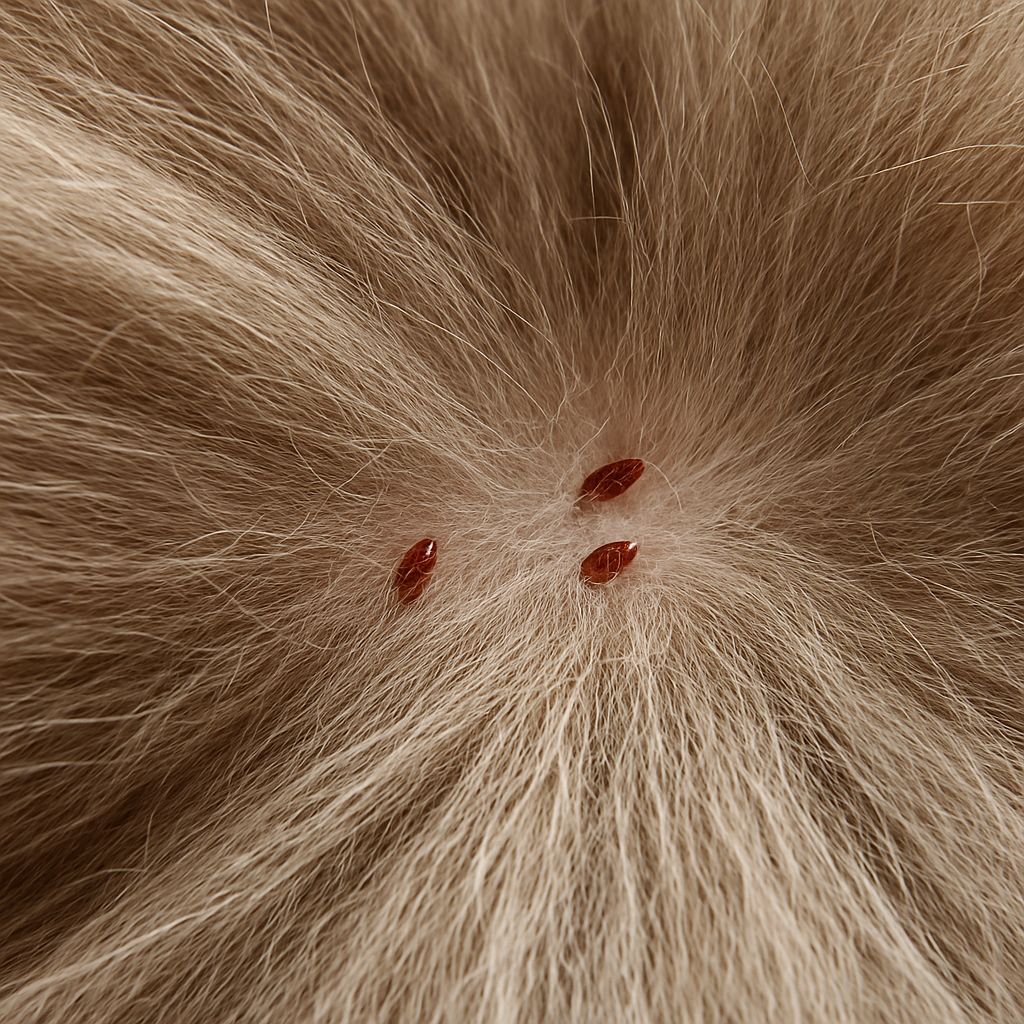
The most common cause of feline miliary dermatitis, characterized by small scabs across the back and base of the tail, is flea allergy. A single flea bite can trigger an immune reaction in sensitive cats that results in dozens of scabs from the resulting scratching. Even indoor-only cats can be exposed to fleas brought in on clothing or shoes. A veterinarian-approved flea prevention product eliminates the source, and the scabs typically resolve within two to three weeks once the allergenic stimulus is removed.
Food Allergies
Cats develop food allergies to proteins they have been exposed to long-term, most often chicken, beef, fish, or dairy. Food-allergic cats typically show skin symptoms around the face, neck, and limbs alongside gastrointestinal signs. A novel protein hydrolyzed diet trial lasting eight to twelve weeks is the diagnostic and therapeutic standard. Home remedies for cat skin allergies related to food start and end with dietary change; topical treatments address symptoms but cannot resolve the root cause.
Safe Home Remedies for Cat Dry Skin Scabs
Dietary Omega-3 Supplementation
Adding a fish oil supplement to your cat’s food is one of the most evidence-backed cat skin problems home remedies for dry, flaky, or scabby skin caused by nutritional deficiency. The recommended starting dose is typically 20 mg of combined EPA and DHA per pound of body weight daily. Look for products specifically formulated for pets rather than human fish oil capsules, which may contain higher doses or additives unsuitable for cats.
Humidifying the Indoor Environment
Dry indoor air during winter months is a common but overlooked contributor to feline skin dryness. A cool-mist humidifier in the room where the cat sleeps most reduces ambient dryness and supports skin barrier function without any product applied directly to the cat. This cat skin irritation home remedy works best for mild seasonal dryness and should be combined with dietary adjustment for better results.
Cat Skin Allergies Home Remedies: What Works and What Does Not
For environmental allergies, regular vacuuming with a HEPA filter vacuum, washing the cat’s bedding weekly in fragrance-free detergent, and using HEPA air purifiers reduces the allergen load in the home without medication. Wiping the cat’s paws and coat with a damp cloth after outdoor access removes pollen and dust before they are groomed off and ingested. These measures work well as adjuncts but rarely eliminate allergy symptoms on their own for moderate to severe cases.
Ingredients and Products to Avoid
Many substances safe for dogs or humans are toxic to cats due to their limited ability to metabolize certain compounds. Avoid applying tea tree oil, eucalyptus, peppermint, lavender, or any essential oil to a cat’s skin, even diluted. Do not use human moisturizers, which may contain propylene glycol or other ingredients harmful to cats that will be licked off. Apple cider vinegar, despite its popularity in dog skin care, is too acidic for feline skin and can cause chemical burns if applied to broken skin.
When Cat Skin Conditions Require Veterinary Care
Home care is appropriate for mild, improving symptoms in an otherwise healthy cat. Visit a veterinarian if the cat stops eating, loses weight, has open or weeping sores, loses patches of fur, or if skin conditions worsen despite two weeks of home treatment. Ringworm, mange, bacterial pyoderma, and hyperthyroidism all produce skin symptoms that look similar to simple allergic dermatitis but require prescription treatment to resolve. A skin scraping, fungal culture, or blood panel quickly differentiates between causes and guides targeted treatment.
Pro tips recap: For mild cat skin conditions and scabs, start with flea control, omega-3 supplementation, and dietary review before purchasing topical treatments. Always verify that any product applied to a cat’s coat is specifically labeled as safe for cats, not just dogs or pets in general. If symptoms persist beyond two weeks or worsen at any point, a vet appointment is more cost-effective than continued trial-and-error home treatment.



Leave a Reply