Flaky Scalp Not Dandruff: How to Tell the Difference and What to Do
A flaky scalp not dandruff is a frustrating misdiagnosis that leads many people to buy anti-dandruff shampoos that do nothing for their actual condition. The difference between dry scalp and dandruff goes beyond the size of the flakes and touches on the underlying biology of the scalp skin. Using the wrong treatment does not just waste money; it can worsen the condition by stripping natural oils that a dry scalp desperately needs.
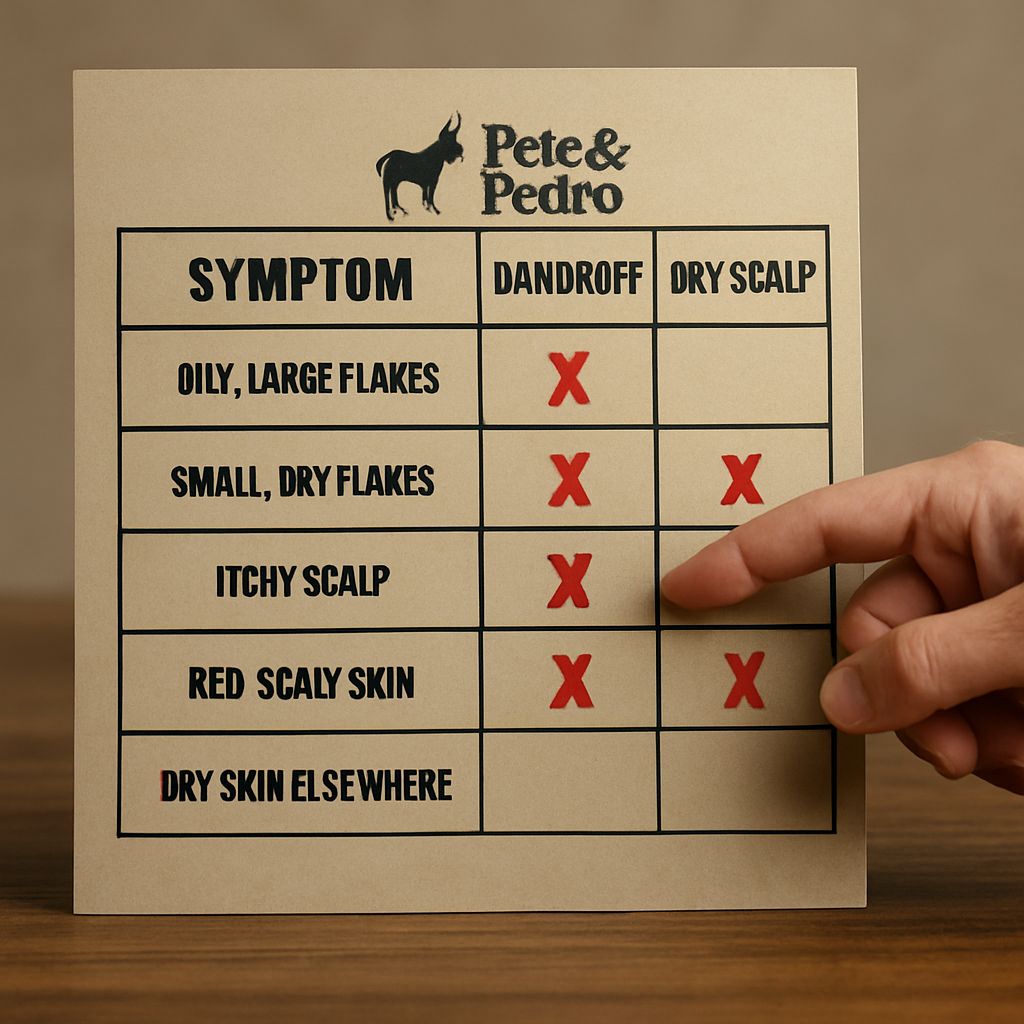
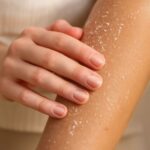
Dandruff flakes vs dry scalp flakes look different, behave differently on the hair shaft, and respond to completely different products. Dry scalp flakes vs dandruff flakes also originate from different causes: dehydration versus fungal overgrowth. And while this article focuses primarily on scalp conditions, it is worth noting that skin rash not itchy elsewhere on the body can sometimes accompany scalp disorders as part of a broader skin condition, which is a useful diagnostic clue when all other symptoms match up.
What Causes a Flaky Scalp That Is Not Dandruff?
Scalp Dehydration
Dry scalp flaking occurs when the scalp lacks sufficient moisture and the surface skin cells become dehydrated and shed in small, white, powdery flakes. Low humidity, over-washing, hot water, and harsh sulfate shampoos all contribute. Unlike dandruff, the scalp itself may feel tight, itchy, and slightly rough to the touch rather than oily or coated.
Scalp Psoriasis
Psoriasis affecting the scalp produces thicker, silver-tinged scales that may lift in larger sheets rather than individual flakes. It frequently extends slightly beyond the hairline onto the forehead or behind the ears. The underlying skin tends to be red and inflamed. This condition does not respond to anti-dandruff products and requires prescription topical treatments, often including medicated shampoos containing coal tar or salicylic acid.
Contact Dermatitis
Reactions to hair dyes, styling products, or shampoo ingredients can irritate the scalp and trigger flaking. Unlike fungal dandruff, contact dermatitis usually appears quickly after introducing a new product and resolves when that product is removed. The flakes tend to be irregular in size and the scalp may show visible redness or swelling at the site of contact.
Dandruff Flakes vs Dry Scalp Flakes: Visual and Tactile Differences
Dandruff flakes are typically larger, yellowish or white, and feel oily to the touch. They tend to stick to the hair shaft and appear more heavily in areas of increased sebum production like the crown and temples. Dry scalp flakes, by comparison, are smaller, finer, and purely white with no oily coating. They fall off the scalp more readily and scatter onto the shoulders in a pattern that looks similar to fine powder or snow.
How to Treat Dry Scalp Versus Dandruff
Treating Dry Scalp
Switching from daily washing to two or three times per week immediately reduces scalp moisture loss for many people. Using a gentle, hydrating shampoo free of sulfates and parabens, paired with a lightweight scalp serum containing hyaluronic acid, niacinamide, or aloe vera, helps restore moisture to the scalp surface. Scalp oils like jojoba or argan oil applied sparingly to the scalp the night before washing can provide additional barrier support.
Treating True Dandruff
Dandruff is caused by the Malassezia yeast that feeds on scalp oils and triggers inflammation. Anti-fungal shampoos containing zinc pyrithione, ketoconazole, or selenium sulfide directly target the yeast. These should be left on the scalp for three to five minutes before rinsing to allow adequate contact time. For most people, twice-weekly use during flare-ups followed by weekly maintenance keeps the condition under control without over-drying.
Skin Rash Not Itchy as a Related Scalp Clue
When evaluating a flaky scalp, it helps to examine the rest of the body. A skin rash not accompanied by itching, particularly on the face, chest, or back, may indicate seborrheic dermatitis, a related condition to scalp dandruff that affects oil-rich areas of the body simultaneously. Seborrheic dermatitis responds to antifungal treatment in both its scalp and body manifestations. If you have flaking on both the scalp and central face with mild non-itchy redness, that pattern suggests seborrheic dermatitis rather than simple scalp dryness.
When to See a Dermatologist
Most cases of scalp flaking respond to over-the-counter products within four to six weeks. See a dermatologist if flaking is severe, if the scalp is visibly red and inflamed, if large silver plaques are present, or if hair thinning accompanies the flaking. A dermatologist can perform a scalp examination and, if needed, take a small skin sample to distinguish between psoriasis, fungal infection, and contact dermatitis so that treatment can be targeted accurately.
Pro tips recap: If your flakes are white and powdery with no oil coating, treat for dryness first before reaching for anti-dandruff shampoo. Wash less frequently, use cooler water, and add a scalp-specific hydrating serum to your routine. If flaking does not improve within four weeks of consistent treatment, see a dermatologist to rule out psoriasis or seborrheic dermatitis.


Leave a Reply