
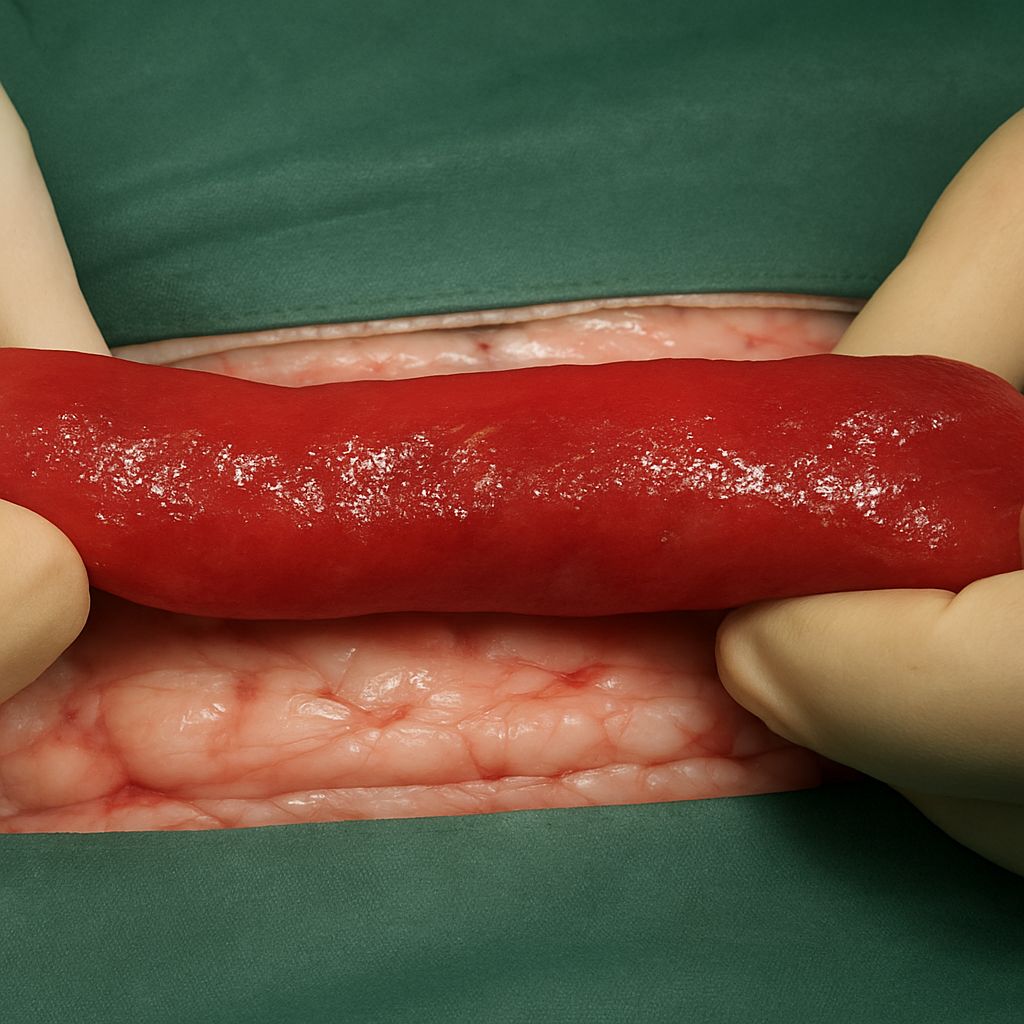
Hemangiosarcoma Dog Skin and Other Serious Canine Skin Conditions Explained
Some canine skin problems are minor irritants that clear up with home care, but others carry serious health consequences that demand immediate veterinary attention. Hemangiosarcoma dog skin tumors, persistent dog skin cysts, recurrent yeast overgrowth, and parasites like the larvae behind worm coming out of dog skin situations all fall into the category of conditions owners need to recognize early. Knowing the signs of each helps you act quickly rather than waiting to see if a lump, bump, or sore resolves on its own.
A dog skin yeast infection home remedy can address mild overgrowth, but it is not a substitute for diagnosis when the infection keeps returning. Equally, maggots in dog skin, known medically as myiasis, is an emergency that requires immediate veterinary care and cannot be managed at home. This guide covers the range from manageable to urgent so you understand when to treat and when to get to a clinic.
What Is Hemangiosarcoma of the Dog’s Skin?
Hemangiosarcoma is a malignant tumor arising from the cells that line blood vessels. The skin form of hemangiosarcoma in dogs, called dermal hemangiosarcoma, typically presents as a dark red, purple, or bluish-black lesion on the skin surface. It is most common on areas with thin, lightly pigmented skin such as the belly and inner thighs, particularly in short-coated breeds with sun exposure. Unlike the visceral form affecting organs, dermal hemangiosarcoma has a better prognosis when identified early and surgically removed with clean margins. Any rapidly growing, darkly pigmented skin mass on a dog should be evaluated by a veterinarian promptly.
Understanding Dog Skin Cysts
Follicular Cysts
The most common type of dog skin cyst is a follicular or epidermal cyst that forms when a hair follicle becomes blocked. These feel like firm, smooth bumps under the skin and often contain a thick, waxy material. They are usually benign and do not require treatment unless they become infected, grow rapidly, or bother the dog. Veterinarians may recommend surgical removal for recurrent or large cysts.
Sebaceous Cysts
Sebaceous cysts form when an oil gland becomes blocked and fills with sebum. They are soft, movable, and frequently found on the back, flanks, and neck. Like follicular cysts, they are generally harmless but can rupture and become inflamed. Squeezing or puncturing a cyst at home risks introducing bacteria and creating a painful abscess, so professional removal is the safer approach for any cyst that changes in size, texture, or color.
Dog Skin Yeast Infection: Causes and Home Remedies
Recognizing Yeast Overgrowth
Yeast infections on dogs are typically caused by Malassezia pachydermatis, a fungus normally present on the skin in small numbers. Overgrowth occurs when the skin environment becomes warmer and moister than normal, as happens in skin folds, between toes, and around the ears. Symptoms include a musty or corn-chip odor, greasy or thickened skin, redness, and relentless scratching or licking.
Dog Skin Yeast Infection Home Remedy Options
A diluted apple cider vinegar rinse (one part vinegar to three parts water) applied to affected areas can create an environment less hospitable to yeast. Bathing with a shampoo containing chlorhexidine or ketoconazole, both available over the counter, directly targets yeast on the skin surface. These home approaches work for mild, localized infections but should be combined with addressing the underlying cause, such as allergies or excessive moisture in skin folds. Persistent or widespread yeast infections need prescription antifungal treatment from a veterinarian.
Worms and Larvae in Dog Skin: When to Act Fast
Cuterebra: Worm Coming Out of Dog Skin
Cuterebra are bot fly larvae that occasionally burrow under dog skin, usually around the head, neck, or chest. You may notice a swollen lump with a small breathing hole. The sight of a worm coming out of a dog’s skin is alarming and the situation requires veterinary removal. Attempting to pull the larva out without proper technique risks rupturing it inside the wound, which can cause a severe inflammatory reaction or infection.
Maggots in Dog Skin (Myiasis)
Maggots in dog skin result from blowflies laying eggs on wounds, soiled skin, or areas of necrotic tissue. The larvae hatch and begin feeding on tissue within hours. This is a veterinary emergency. The affected area must be cleaned, all larvae removed, and the wound treated with antibiotics to prevent sepsis. Dogs with limited mobility, open wounds, or thick coats that trap moisture are at highest risk, especially during warm months. Regularly checking your dog’s skin and coat and keeping wounds clean and covered are the most reliable prevention strategies.
When Any of These Conditions Requires Emergency Care
Seek immediate veterinary attention if you see a rapidly expanding dark skin tumor, maggots on or under the skin, a bot fly larvae lump, or any wound that smells foul and appears to be actively deteriorating. Dog skin cysts that rupture and do not heal within a few days also need veterinary evaluation to rule out underlying infection. Early action in all these cases reduces the risk of systemic spread and improves outcomes significantly.





Leave a Reply