
Brown to Blonde Balayage: Your Complete Guide to a Sun-Kissed Transformation
Going from brunette to sun-kissed requires more planning than most people realize. Brown to blonde balayage delivers a gradient effect that looks natural, grows out gracefully, and suits nearly every complexion. Whether you want a subtle honey-streaked result or a bold dirty blonde balayage that rivals the California coast, this guide walks you through every decision and technique involved.
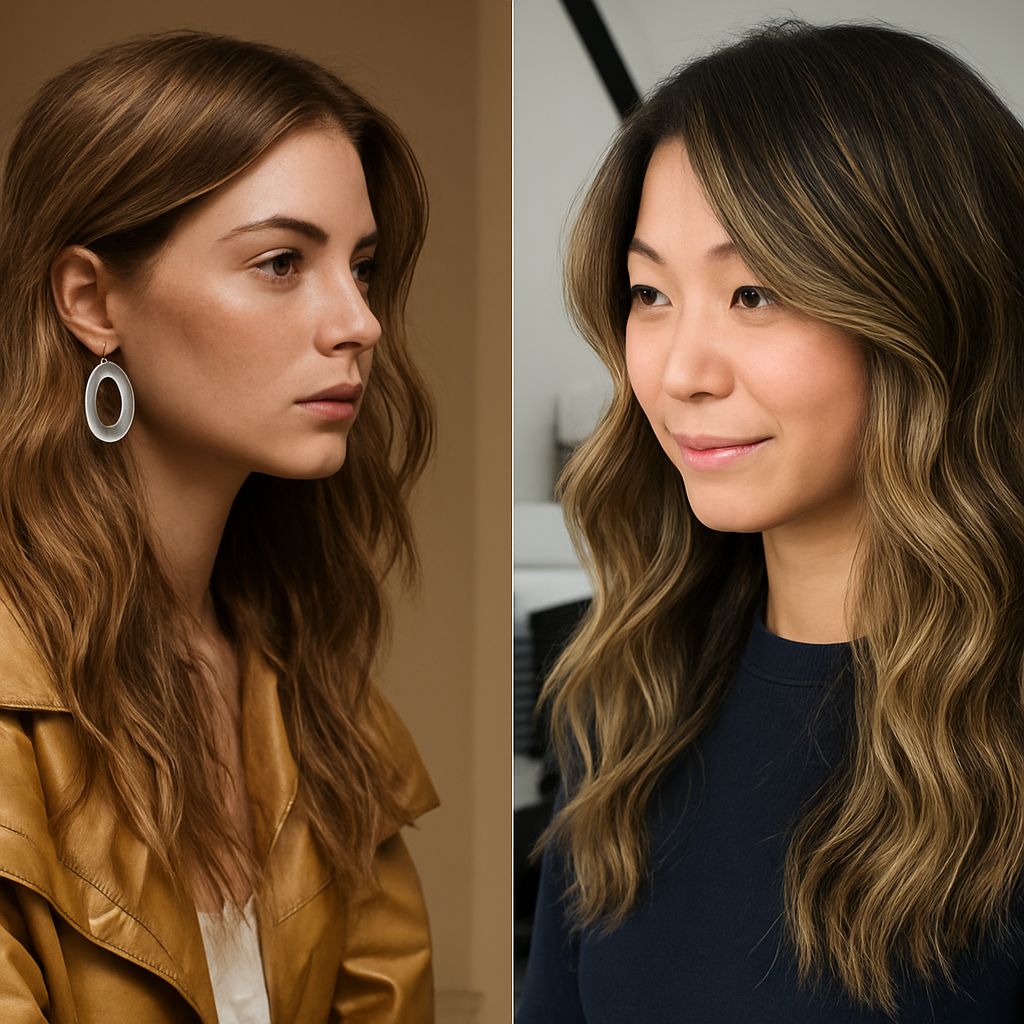
The appeal of brown blonde balayage is straightforward: the hand-painted lightening method creates soft transitions rather than stark lines. Light brown blonde balayage keeps the roots dark and lets color melt gradually toward the ends, while blonde balayage ombre pushes that fade further for a more dramatic contrast. Understanding which direction fits your goals determines everything from the products your colorist reaches for to how long you sit in the chair.
What Is Brown to Blonde Balayage and How Does It Differ from Highlights?
Traditional foil highlights separate hair into uniform sections and saturate them with bleach from root to tip. Balayage colorists paint lightener freehand onto the mid-shaft and ends, leaving roots untouched. The result is a sun-drenched dimension rather than uniform stripes. Brown and blonde balayage transitions look especially flattering because the color mimics the way hair naturally lightens from sun exposure, with deeper color at the root and progressively lighter tones through the length.
Choosing Your Shade: Dirty Blonde, Honey, or Full Ombre?
Dirty Blonde Balayage
A dirty blonde balayage sits in the warm-toned middle ground between true brown and classic blonde. It includes ashy, golden, or caramel undertones that prevent the look from reading as either fully dark or fully bleached. This is an excellent starting point for darker brunettes who want visible brightness without aggressive lightening.
Light Brown Blonde Balayage
Those with medium-brown bases often choose a light brown blonde balayage, which lifts the mid-lengths to a warm amber or butterscotch while keeping the root area close to the natural depth. The transition is subtle enough for professional settings yet noticeable enough to change the overall feel of the hair.
Blonde Balayage Ombre
A blonde balayage ombre is bolder: the color moves from a deep brown root through caramel mid-lengths and into a very light blonde at the ends. This version requires more lightening sessions for dark hair but creates a striking two-tone effect that photographs beautifully.
How Many Sessions Does the Process Take?
Hair with natural levels 4 through 6 (medium to dark brown) typically needs one or two sessions to reach the desired brightness without causing breakage. Very dark hair, levels 1 through 3, can require two or three appointments spaced four to eight weeks apart. Rushing the process on resistant or previously colored hair invites damage, so patience pays off in the long run. Each session should include a bond-building treatment to protect fiber integrity during lightening.
Products and Techniques Your Colorist May Use
Bleach and Developer Ratios
Most colorists use a 20- or 30-volume developer for balayage applications. Higher volumes lift faster but create a harsher line of demarcation and increase the risk of over-processing. A 20-volume formula gives more control and is the safer choice for fine or previously color-treated hair.
Toners for Finishing
After lightening, a toner deposits color pigment to neutralize brassiness. For a brown blonde balayage result, warm toners in champagne or honey shades let the natural warmth shine through. Ashy or violet-tinged toners cool the result toward a more platinum end of the spectrum. Toners typically last four to eight weeks before fading.
Bond Builders
Products like Olaplex No. 1 or similar bond multipliers are mixed into the bleach or applied in a separate step to preserve disulfide bonds in the hair shaft. Using a bond builder during lightening sessions significantly reduces post-service breakage and improves the long-term condition of blonde-balayaged hair.
Aftercare and Maintenance at Home
Shampoo and Conditioner
Lightened hair benefits from sulfate-free shampoos that do not strip color or moisture. A weekly purple or blue shampoo counteracts the yellow and orange tones that develop as toners fade between appointments. Pair the toning shampoo with a deep conditioner to replace lost moisture.
Heat Styling Precautions
Bleached strands are more porous and heat-sensitive than virgin hair. Always apply a thermal protectant before using a flat iron, curling wand, or blow dryer. Keeping heat tools at 375 degrees Fahrenheit or below limits cumulative damage while still giving a smooth, styled finish.
Touch-Up Schedule
One of the key advantages of a brown blonde balayage technique is low maintenance. Because roots are left natural or very slightly blended, most people return to the salon every ten to sixteen weeks. The soft grow-out means there is no harsh regrowth line between visits.
Is Brown to Blonde Balayage Right for You?
This technique works well on most hair types, including straight, wavy, and curly textures. Fine hair may show color transitions more dramatically, while thick or coarse hair can absorb lightener differently and may need longer processing times. A thorough consultation with a licensed colorist before booking the full service helps clarify realistic outcomes, budget, and a maintenance schedule that fits your lifestyle.
Safety recap: Always perform a strand test before a full balayage application to check how your hair responds to lightener. If you experience scalp sensitivity, burning, or unusual itching during the process, ask your colorist to remove the product immediately. Prioritize a professional salon service for significant color changes to protect the long-term health of your hair.
Leave a Reply