
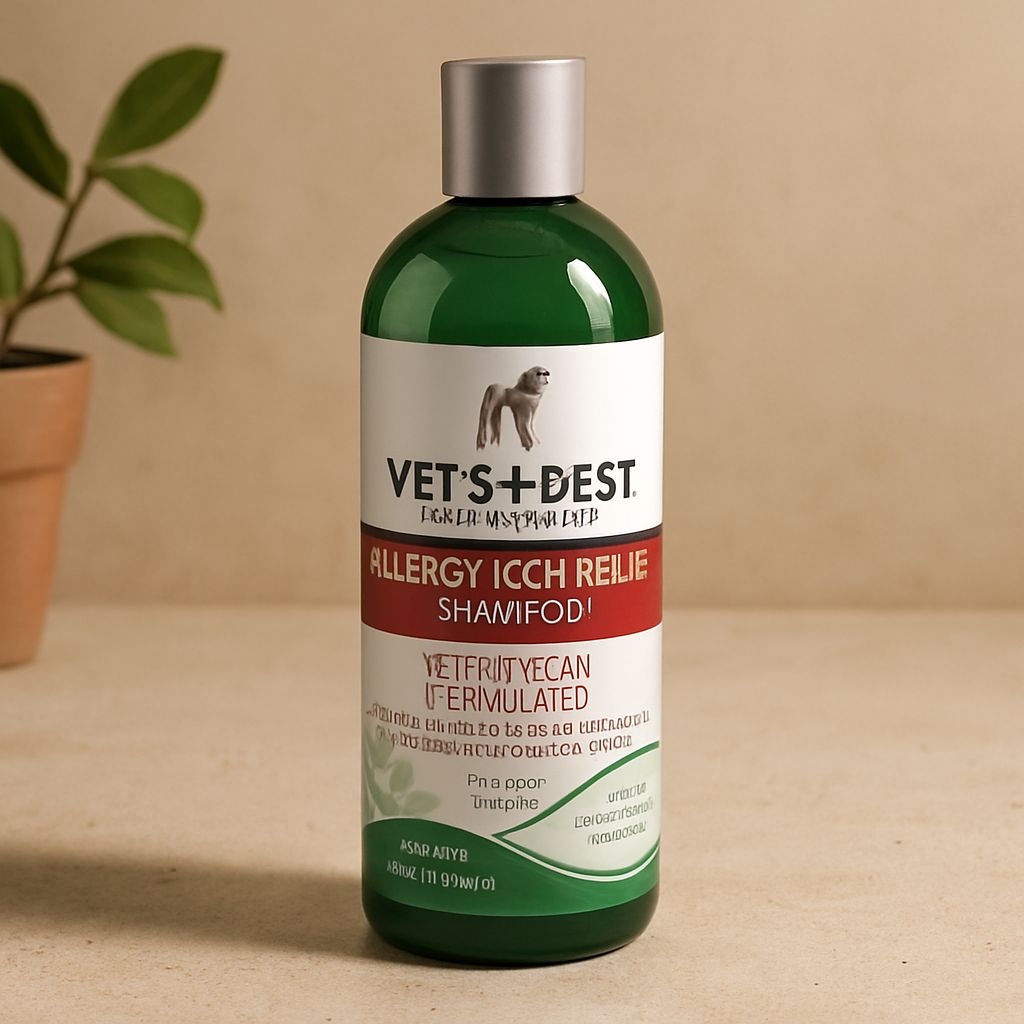
Dog Shampoo for Itchy Skin: How to Choose the Right Formula and Natural Supplements
A dog that scratches, bites, and rubs constantly is not just uncomfortable; the skin damage that results from chronic itching creates secondary infections that compound the original problem. Selecting the right dog shampoo for itchy skin is one of the most immediate interventions available and, when paired with appropriate dog supplements for itchy skin, can provide significant relief. Not all shampoos marketed for sensitive or itchy dogs contain ingredients that actually address the root cause, which is why understanding what to look for matters as much as the brand name.
A good natural remedy for itchy skin in dogs often works best alongside medicated options, not as a replacement. The best dog shampoo for skin allergies depends on whether the underlying cause is allergens, parasites, yeast, or a dry skin barrier issue. And for owners who prefer to try a simple itchy skin home remedy first, several safe and effective options exist alongside commercial products.
What to Look for in a Dog Shampoo for Itchy Skin
Soothing Ingredients
Oatmeal is the most widely recommended soothing ingredient in canine skin-care shampoos; colloidal oatmeal binds to the skin surface and creates a moisture-retaining, anti-inflammatory barrier that calms itching during and after bathing. Aloe vera has cooling and anti-inflammatory properties. Chamomile extract reduces redness and irritation. Look for these as primary active ingredients rather than fragrance additives.
Antifungal and Antibacterial Options
When yeast overgrowth or bacterial dermatitis is contributing to itching, a medicated shampoo containing chlorhexidine, miconazole, or ketoconazole is more effective than a soothing-only formula. Many veterinary formulations combine chlorhexidine with miconazole for both bacterial and fungal coverage in a single product. These medicated options require a contact time of five to ten minutes before rinsing for full efficacy.
Hypoallergenic Formulations
For dogs with allergic skin disease, a fragrance-free, dye-free hypoallergenic shampoo reduces the number of potential chemical irritants the skin contacts during bathing. Avoiding unnecessary additives like artificial preservatives and surfactants that strip the skin barrier supports recovery in allergic dogs.
Dog Supplements for Itchy Skin
Omega-3 fatty acids from fish oil address itching at the cellular level by reducing the production of pro-inflammatory compounds in the skin. Studies on dogs with atopic dermatitis show measurable reduction in itching scores over four to eight weeks of daily supplementation. Quercetin, a plant flavonoid, has antihistamine-like properties and may reduce the intensity of allergic skin reactions. Probiotics support gut and immune balance, which influences skin inflammation indirectly. Always use canine-specific products and follow weight-based dosing guidelines.
Natural Remedies for Itchy Dog Skin
A colloidal oatmeal rinse prepared at home by dissolving ground oats in warm water and pouring over the dog’s coat provides immediate soothing relief. Diluted apple cider vinegar, one part vinegar to three parts water, applied as a spray to non-broken skin has mild antibacterial and pH-normalizing properties. Plain, unsweetened coconut oil in small amounts applied to affected patches moisturizes and provides mild antimicrobial support. Never apply these to open wounds, and patch-test any new substance on a small area first.
When Shampoo and Supplements Are Not Enough
If itching persists or worsens despite appropriate shampoo use, supplementation, and home remedies, veterinary evaluation is the necessary next step. Identifying the specific cause of the itch, whether food allergy, environmental allergy, parasites, or infection, allows targeted treatment that home care cannot replicate. Blood or intradermal allergy testing, dietary elimination trials, and prescription antiparasitic or anti-inflammatory medications address the root cause rather than just the symptoms.
Next steps: Start with an oatmeal-based shampoo and fish oil supplementation, apply a colloidal oatmeal rinse between baths for additional relief, and track whether symptoms improve over two to four weeks. If there is no meaningful improvement, schedule a veterinary appointment to identify the underlying cause and explore prescription options.
Leave a Reply