
Dead Skin on Feet: The Best Ways to Remove Buildup and Maintain Soft Soles
Rough, cracked, and flaking foot skin is one of the most common skin concerns, yet it is also one of the most treatable. Dead skin on feet accumulates when the skin’s natural shedding cycle slows or when external pressure triggers thickening as a protective response. The result is often uncomfortable, sometimes painful, and usually very visible in open footwear. Understanding why dry skin on feet develops and what tools actually work makes the difference between a short-term fix and lasting smoothness.
Whether you call it dry skin feet or dry feet skin, the underlying issue is the same: the stratum corneum, the outermost skin layer, has thickened and lost moisture. Targeted exfoliation combined with regular moisturizing directly addresses the foot dry skin cycle, removing the buildup while restoring the skin barrier that prevents new dryness from forming.
Why Does Dead Skin Build Up on Feet?
Feet bear the body’s full weight with every step, making them uniquely susceptible to pressure-induced thickening. Standing for long periods, wearing ill-fitting shoes, walking barefoot on hard surfaces, and low indoor humidity during winter all accelerate skin buildup. The heels are the most common site because they absorb the greatest impact and have fewer sebaceous glands than other body areas, making them naturally drier. Conditions like hypothyroidism, diabetes, and eczema also compromise the skin barrier and make dryness more severe and persistent.
Exfoliation Methods for Dry Foot Skin
Pumice Stone
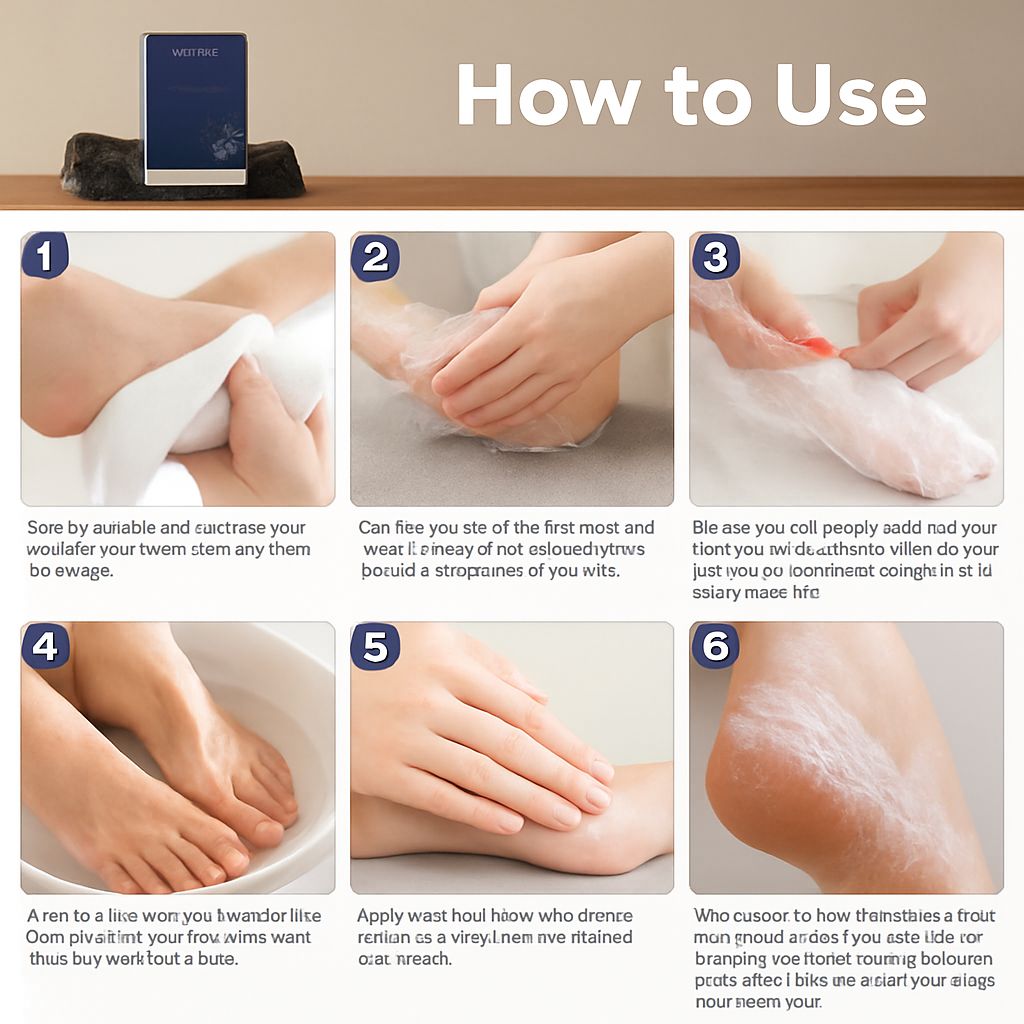
A pumice stone used on softened, wet skin after soaking is one of the most effective and accessible mechanical exfoliation tools available. Soak feet in warm water for ten to fifteen minutes to soften the thickened skin, then rub the pumice in circular motions over rough patches. Apply light to moderate pressure; vigorous scrubbing or pressing too hard can abrade healthy skin beneath the callus. Rinse and immediately apply a rich moisturizer.
Foot Files and Electronic Pedicure Tools
Foot files with a coarser grit work quickly on thicker calluses and give more control than pumice. Electronic pedicure devices with rotating or spinning heads remove dead foot skin rapidly and consistently. Both tools should be used on dry skin rather than wet, which allows better grip and more predictable results. Clean these tools after every use to prevent bacterial growth on the surface.
Chemical Exfoliants
Urea-based foot creams at 20 to 40 percent concentration work as both humectants and keratolytics: they draw moisture in while softening and breaking down thickened skin over time. Salicylic acid foot patches target particularly thick calluses and allow the dead layer to peel away over several days. These chemical approaches suit those who find physical scrubbing uncomfortable or have very sensitive skin elsewhere on their feet.
Moisturizing Strategies That Actually Work
Applying any moisturizer to dry foot skin without first exfoliating produces limited results because the thick dead layer prevents active ingredients from reaching the living skin below. After exfoliating and while the skin is still slightly damp from rinsing, apply a heel balm or thick cream containing shea butter, glycerin, urea, or lactic acid. Cover with cotton socks immediately and leave overnight. This occlusive technique is the single most effective intervention for severely dry or cracked heels and produces visible results within a few days of consistent use.
When Cracked Heels Need Medical Attention
Minor dry skin and surface cracking respond well to the routine described above. Deep heel fissures that bleed, are painful during walking, or do not improve after two to three weeks of home care need a podiatrist’s evaluation. Deep cracks can become infected, particularly in people with diabetes or compromised circulation, where healing is already impaired. Any foot skin change accompanied by numbness, unusual warmth, or slow healing is a reason to seek medical assessment promptly.
Prevention and Maintenance Routine
Wearing well-fitting, supportive footwear reduces the pressure concentration that drives callus formation. Moisturizing feet every evening takes less than two minutes and prevents the accumulation that requires more intensive treatment later. Avoid walking barefoot on hard floors for extended periods. A brief exfoliation once or twice weekly using a file or pumice during or after showering maintains smoothness between deeper treatment sessions.

Leave a Reply