
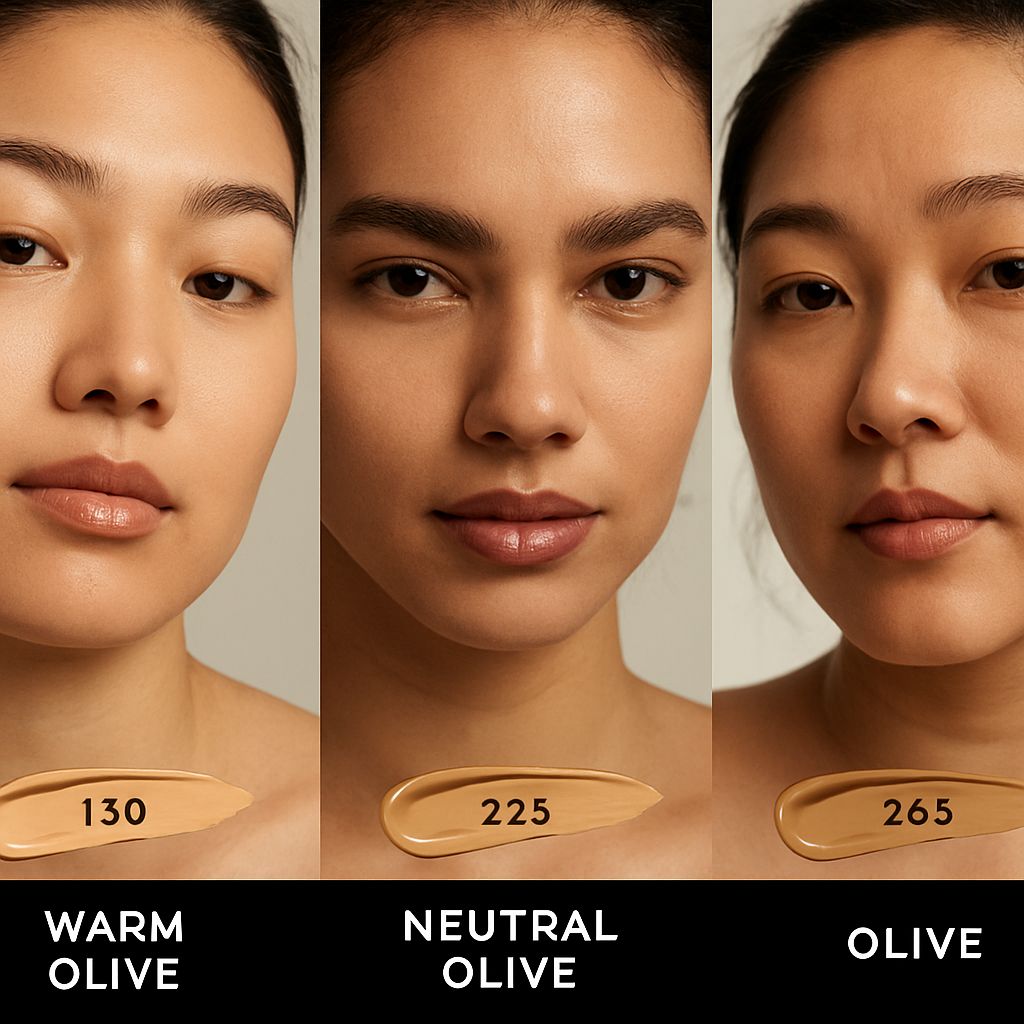
Light Olive Skin: Everything You Need to Know About Olive Skin Tones and How to Work With Them
Light olive skin sits in a fascinating and sometimes frustrating middle ground: warm enough to tan but light enough to appear sallow in the wrong shades. People with this undertone often struggle to find foundation, hair color, and clothing that truly flatters because olive is neither fully warm nor fully neutral and does not fit neatly into the standard cool-warm-neutral framework. Understanding olive skin tones from both a cosmetic and cultural context helps clarify why this undertone requires its own approach.
A light olive skin tone is common across Mediterranean, Middle Eastern, South Asian, and Latin American populations. When people discuss middle eastern skin tone characteristics, they often describe a tawny, golden-green cast that is distinctly different from a peachy warm undertone. Middle eastern skin tones range from light olive to deeper brown, and many share the characteristic green or golden-green undertone that defines the olive family broadly.
What Defines an Olive Skin Tone?
The Green Undertone
The defining characteristic of olive skin is a subtle greenish cast in the underlying pigment. This differs from a purely yellow or peachy warm undertone and explains why purely warm-toned products sometimes look slightly off against olive complexions. The green undertone ranges from very subtle, barely perceptible, to quite noticeable, especially in low light or when wearing certain colors.
Fitzpatrick Scale Placement
Light olive skin typically falls between Fitzpatrick types III and IV: it tans easily, rarely burns severely, and has a moderate baseline skin pigmentation. This range covers a broad spectrum of ethnicities and geographic backgrounds, from southern Europeans to Middle Eastern and North African populations to East and Southeast Asians.
Undertone Confusion and Misidentification
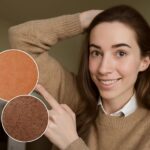
Many people with light olive complexions misidentify their undertone because it does not respond identically to the standard vein or jewelry tests designed for clearly warm or cool skin. Olive skin veins may appear greenish rather than clearly green or blue. Both gold and silver jewelry may look acceptable, leading to a false neutral classification. Asking a professional colorist or beauty consultant for an assessment often clarifies the undertone more reliably than self-testing.
Foundation and Concealer for Olive Skin
The most common mistake olive-toned individuals make in foundation selection is choosing a shade that is either too pink-beige, which looks ashy, or too yellow, which amplifies the sallow appearance. Olive foundation shades are specifically formulated with that neutral-to-warm golden-green balance. Look for shades described as olive, tawny, or warm neutral rather than golden, peach, or cool beige. Test foundation on the jawline in natural light rather than on the wrist, which may differ significantly in undertone from the face.
Hair Color for Olive and Middle Eastern Skin Tones
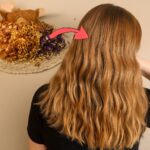
Light olive complexions look best in hair colors with warm brown, golden, or honey tones. Cool ashy blondes and platinum create an unflattering contrast against the green-gold undertone. Medium to dark warm browns, golden caramels, rich chocolate, and warm black all work harmoniously. Copper and auburn can look stunning on olive skin when the shade leans more orange-red than blue-red. Very light platinum and silver are generally unflattering against any olive undertone regardless of depth.
Clothing and Makeup Colors That Complement Olive Skin
Olive skin tones thrive in earthy, warm neutrals: terracotta, rust, olive green, warm browns, gold, and deep burgundy. Jewel tones like emerald, deep teal, and warm purple also photograph beautifully against olive complexions. Colors to approach cautiously include stark white, cool grays, lavender, and very light pastels, which can wash out or add unwanted coolness to the overall look.
Sun Protection for Olive Complexions
Despite the perception that olive skin tans easily and does not burn, sun protection is equally important for olive-toned individuals as for any other skin type. Post-inflammatory hyperpigmentation, the darkening of skin after inflammation or UV exposure, is common in darker and olive skin tones. Using a broad-spectrum SPF 30 or higher daily prevents both photoaging and uneven pigmentation. Mineral sunscreens in tinted formulas avoid the white cast that can look stark against olive skin.
Pro tips recap: Identify your undertone accurately before selecting foundation, hair color, or cosmetics; standard warm-cool tests may mislead olive-toned individuals. Choose foundation shades described specifically as olive or warm neutral, and lean into earthy, golden clothing and makeup tones that work with rather than against the green-gold undertone.


Leave a Reply