
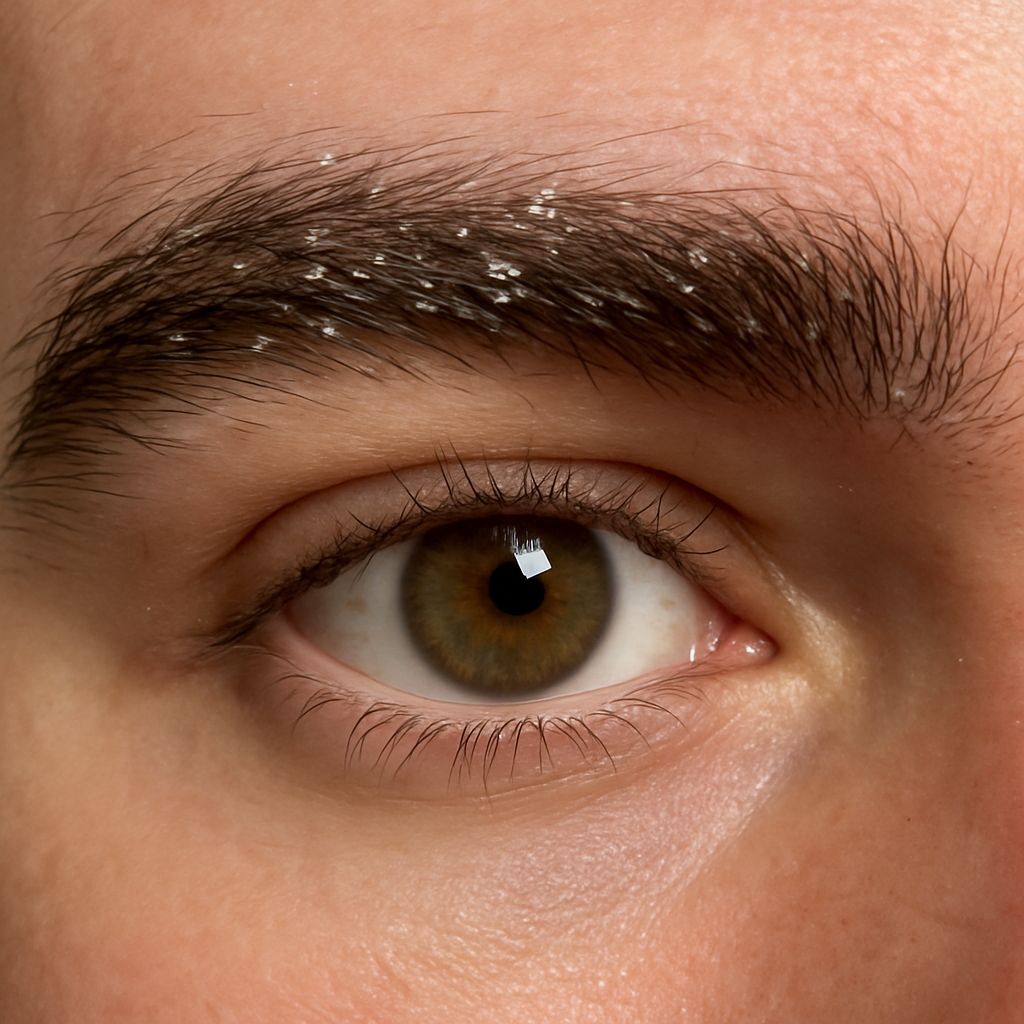
Dandruff in Eyebrows: Why It Happens and How to Treat the Flaking
Flaking and scaling in the brows is more than a cosmetic annoyance; it is often a sign of an underlying skin condition that also affects other areas of the body. Dandruff in eyebrows most commonly results from seborrheic dermatitis, a chronic inflammatory skin condition triggered by a yeast called Malassezia and an overreaction of the immune system to its presence. This same condition can cause seborrheic dermatitis acne, contribute to oily flaky skin across the face and scalp, and in some cases produce dead skin in mouth areas, particularly around the lips and nasolabial folds. In rarer scenarios, systemic skin changes including skin peeling on hands and feet accompany generalized seborrheic flares.
Understanding the full picture of seborrheic dermatitis helps explain why treating just the eyebrows often does not produce lasting results, and why a broader skincare approach makes a genuine difference.
What Causes Eyebrow Dandruff?
Seborrheic dermatitis is the primary culprit in the vast majority of eyebrow flaking cases. The condition thrives in sebaceous-gland-rich areas: the scalp, face, ears, chest, and groin. Within the face, the eyebrows, nasolabial folds, and areas around the nose receive the most sebum and are therefore the most common sites. Stress, cold weather, fatigue, and certain medications all exacerbate seborrheic flares. Hormonal shifts, particularly in testosterone-related androgens, also influence sebum production and disease activity.
The Connection to Seborrheic Dermatitis Acne
The link between seborrheic dermatitis and acne-like breakouts is real. Malassezia yeast can infect hair follicles, causing a condition called Malassezia folliculitis, which looks like uniform small papules or pustules on the forehead and cheeks, often mistaken for regular acne. Unlike bacterial acne, this form does not respond to typical acne treatments and may worsen with topical antibiotics that kill off competing bacteria. Antifungal agents, either topical ketoconazole or oral fluconazole, are the appropriate treatment.
Oily Flaky Skin on the Face
Seborrheic dermatitis on the face presents as a paradox: the skin is simultaneously oily and flaking. The oiliness comes from excess sebum production; the flaking results from accelerated skin cell turnover triggered by inflammation. Standard dry skin treatments that add moisture without addressing the yeast component typically worsen the flaking by creating the warm, moist conditions that Malassezia prefers. An antifungal shampoo used as a brief face wash two to three times weekly, or a topical antifungal cream, addresses both components together.
Dead Skin Around the Mouth
Scaling and peeling around the lips, particularly along the nasolabial folds and lip borders, is another manifestation of seborrheic dermatitis. Patients often attribute this to chapping or dryness and apply lip balm, which provides temporary relief but does not resolve the underlying cause. If scaling in these areas persists despite moisturizing, an antifungal treatment trial is appropriate. A dermatologist can confirm the diagnosis and recommend the right concentration and formulation.
Skin Peeling on Hands and Feet
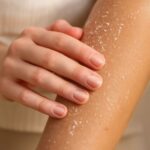
While seborrheic dermatitis is the primary cause of eyebrow flaking, peeling skin on the hands and feet usually has different causes: dyshidrotic eczema, contact dermatitis, athlete’s foot fungus, or normal skin cell shedding following sunburn or viral illness. When peeling of the extremities accompanies facial and eyebrow flaking, conditions like psoriasis or nutritional deficiencies may need to be considered. A dermatologist visit is warranted when multiple body areas are affected simultaneously.
Effective Treatments for Eyebrow Dandruff
Antifungal shampoos containing ketoconazole, zinc pyrithione, or selenium sulfide applied to the eyebrow area and left for three to five minutes before rinsing consistently reduce flaking. Topical hydrocortisone cream applied sparingly reduces inflammation during acute flares but should not be used long-term on the face due to skin-thinning effects. Tea tree oil diluted in a carrier oil has mild antifungal properties and suits those preferring natural approaches. Consistency matters: seborrheic dermatitis is a chronic condition managed rather than cured, and regular preventive use of antifungal treatments prevents recurrence.
Pro tips recap: Treat eyebrow dandruff with antifungal shampoo applied directly to the brows rather than just a standard moisturizer. Address seborrheic dermatitis wherever it appears on the face, not just the eyebrows. If breakouts or scaling in multiple zones persist, consult a dermatologist to confirm the diagnosis and rule out other conditions.
Leave a Reply