
Skin Tightening Laser: How Professional Treatments and Supportive Exercises Work Together
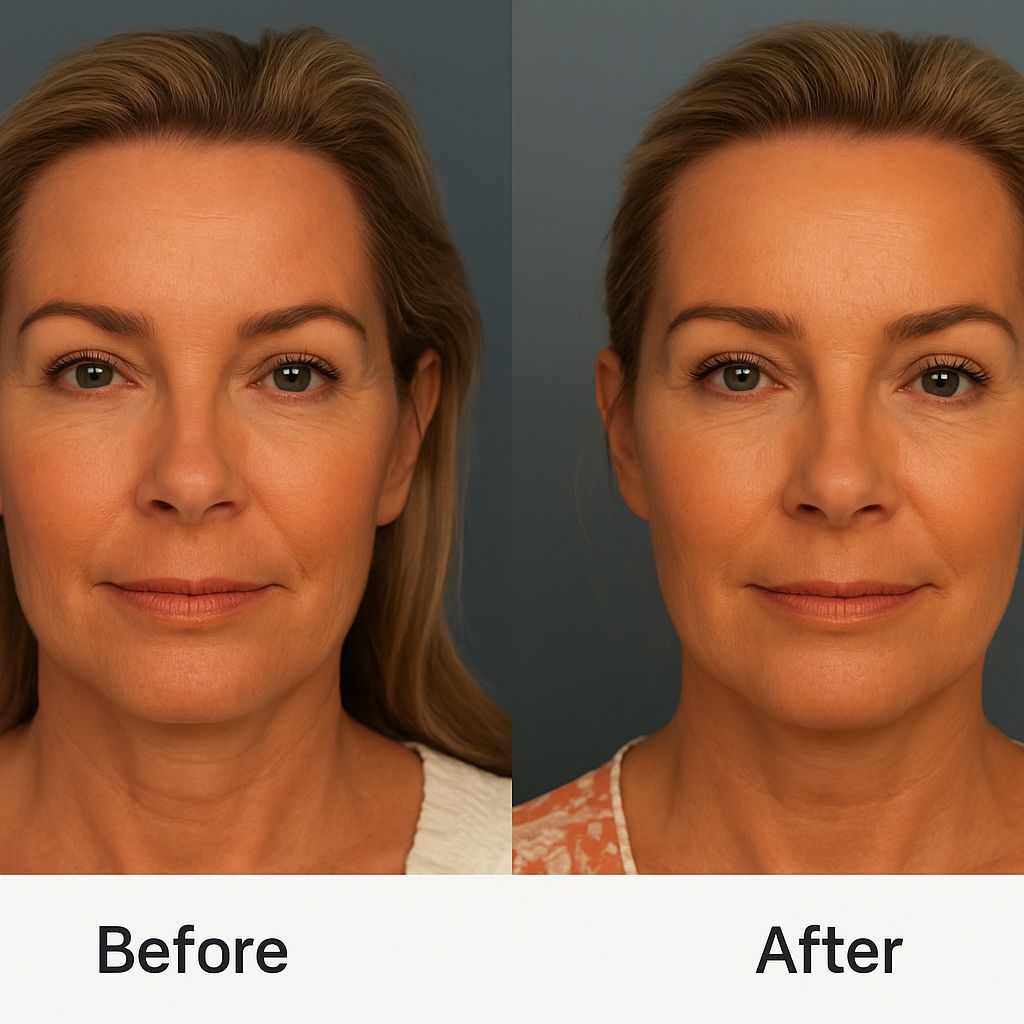
Loose, sagging skin is one of the most consistent concerns among people who have lost significant weight or simply noticed the effects of aging. Skin tightening laser treatments represent the most technologically advanced non-surgical option currently available, and the results are increasingly compelling. Radio frequency skin tightening before and after photos show measurable improvements in tissue firmness and contour, particularly on the face, neck, and abdomen. Understanding your options, from clinical procedures to at-home skin tightening exercises, helps you set realistic expectations and make informed decisions.
Beyond laser devices themselves, many patients explore complementary approaches: laser hair removal for dark skin at home devices, for example, are now sophisticated enough for safe consumer use, and reading laser skin tightening reviews from verified patients provides useful real-world context before committing to treatment.
How Skin Tightening Laser Treatments Work
Laser and Light-Based Devices
Laser tightening devices deliver controlled heat energy into the dermis, the deep layer of skin containing collagen and elastin fibers. The thermal injury triggers a wound-healing response that stimulates new collagen production over the following weeks and months. Devices like fractional CO2 lasers, Er:YAG, and Nd:YAG create microscopic treatment zones while leaving surrounding tissue intact, allowing faster recovery than fully ablative alternatives.
Radio Frequency Technology
RF devices deliver electromagnetic energy that heats dermal collagen to a controlled temperature range, causing immediate fiber contraction and triggering longer-term collagen remodeling. The visible results from radio frequency procedures tend to develop gradually over three to six months as collagen regeneration continues. Radio frequency skin tightening before and after documentation consistently shows the most significant improvements in jawline definition, nasolabial fold reduction, and abdominal skin laxity.
Combination Treatments
Many practices combine laser or RF with microneedling, ultrasound (HIFU), or injectables for broader effect. Combination approaches address multiple tissue depths simultaneously and often produce better results than any single modality used alone.
What Results Can You Expect?
Skin tightening laser treatments produce gradual improvements, not overnight transformation. Most patients see best results after a series of three to five sessions spaced four to six weeks apart. Younger patients with mild to moderate laxity respond better than those with severe sagging, for whom surgery remains the more appropriate option. Reading laser skin tightening reviews from patients with similar skin types and concerns helps calibrate expectations.
At-Home Devices and Dark Skin Considerations
Consumer laser and IPL devices have improved significantly and are now appropriate for many skin types when used correctly. Anyone considering laser hair removal for dark skin at home must choose a device specifically cleared for deeper skin tones. Nd:YAG wavelength devices carry the lowest risk of post-inflammatory hyperpigmentation in darker skin. Always follow manufacturer guidelines exactly and perform a patch test before full treatment. If uncertain, consult a dermatologist before using any at-home laser or RF device.
Skin Tightening Exercises as a Complementary Strategy
No exercise regimen replaces professional energy-based treatments for significant laxity, but targeted resistance and facial muscle exercises can improve underlying muscle tone, which adds structure beneath loose skin. Facial yoga techniques, neck tilts, and resistance exercises for the jawline muscles can modestly improve the appearance of mild sagging over several months. For body skin, strength training increases muscle mass that fills out loose skin from the inside. These approaches are most effective as complements to clinical treatment rather than standalone solutions.
Choosing the Right Treatment Path
The right approach depends on the extent of laxity, your skin type, budget, and how much downtime you can accept. Mild sagging in younger patients often responds well to a series of RF treatments alone. Moderate laxity benefits from combination protocols. Significant excess skin after major weight loss, greater than 50 pounds, typically requires surgical body contouring because the quantity of tissue cannot be addressed with energy-based modalities alone.
Bottom line: Skin tightening laser and RF procedures produce real, measurable improvements in tissue firmness when matched to the appropriate patient and performed consistently. Complementing clinical treatment with muscle-building exercise adds sustainable structural support. Always consult a qualified practitioner to determine which modality or combination is right for your skin type and goals.



Leave a Reply