
Dog Fungal Skin Infection: What It Looks Like, How It’s Treated, and When It’s Serious
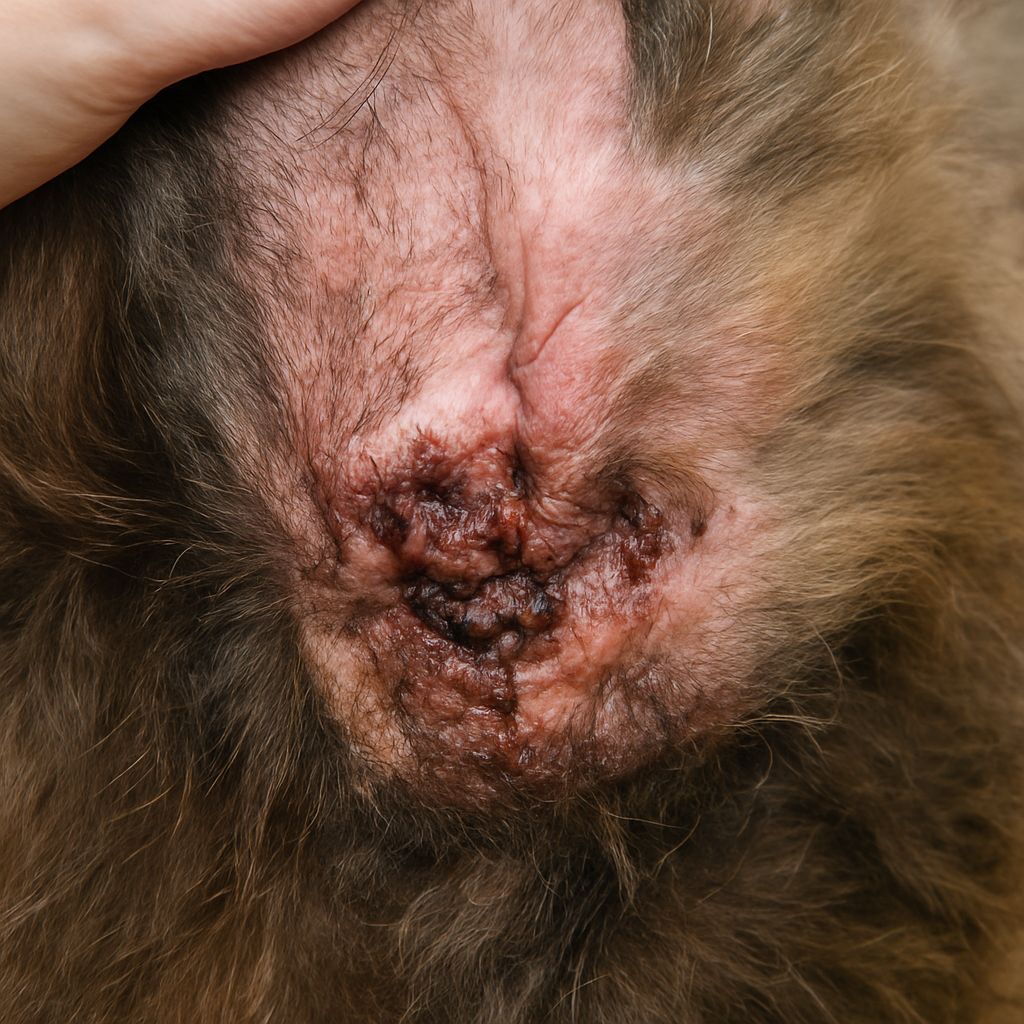
Persistent itching, circular patches of hair loss, and an unusual odor from your dog’s coat can all point to a dog fungal skin infection. Fungal infections in dogs are far more common than many owners realize, and they range from mild surface-level yeast overgrowths to deeper infections that damage tissue. A fungal skin infection in dogs is treatable in most cases, but accurate identification is critical because the treatment differs from bacterial infections, which look similar. Noticing fungus on dogs skin early and acting quickly prevents spread and secondary complications.
A separate but related concern that some owners encounter is a hole in dogs skin, which can develop from deep fungal infections, abscesses, or other conditions. If your dog has hole in skin, veterinary evaluation is not optional; open wounds in the skin create an entry point for serious secondary infections and require immediate professional care.
Common Types of Fungal Skin Infections in Dogs
Ringworm
Despite its name, ringworm is a fungal infection caused by dermatophyte organisms, not a worm. It produces circular patches of hair loss with a scaly or crusted edge, most often on the face, ears, paws, and tail. Ringworm spreads easily between animals and from animals to humans, making it a public health concern within households. Treatment involves antifungal shampoos, topical creams, and in extensive cases oral antifungal medication.
Malassezia Yeast Dermatitis
Malassezia is a yeast normally present on healthy dog skin. When immune function is compromised or skin moisture levels are abnormal, the yeast population grows excessively, causing inflammation, itching, greasy skin, and a characteristic musty smell. Common sites include skin folds, ear canals, and between the toes. Antifungal shampoos and ear treatments clear most cases effectively.
Blastomycosis and Systemic Fungal Infections
Blastomycosis, histoplasmosis, and coccidioidomycosis are more serious fungal infections that begin in the respiratory tract and can spread to the skin, causing draining skin lesions or ulcers that may appear as holes or open sores. These systemic infections require long-term oral antifungal medication and carry a more serious prognosis than surface infections.
Recognizing Fungus on Dog Skin
Signs of cutaneous fungal infection include circular, well-defined areas of hair loss with scaly or crusty edges; red, inflamed skin with a greasy texture; persistent odor from the coat; constant scratching, rubbing, or licking at specific spots; and in advanced cases open or draining lesions. Distinguishing fungal from bacterial infections requires a veterinarian’s assessment, often including cytology of skin cells or fungal culture.
Understanding Holes in Dog Skin
When a hole in dogs skin appears, the cause needs to be identified urgently. Deep fungal infections, abscesses from bacterial infections, cuterebra fly larvae (botfly), wounds, or pressure sores can all create open skin defects. A dog that has a hole in skin may show signs of pain, excessive licking at the site, or discharge. Never attempt to probe or treat a hole at home; this risks introducing further contamination or damaging surrounding tissue. Veterinary debridement and appropriate treatment are always required for open skin wounds.
Treatment Approaches
Treatment for canine fungal skin infections depends on the type and extent. Surface-level ringworm and Malassezia respond well to antifungal shampoos containing miconazole or ketoconazole used twice weekly for several weeks. Topical creams address localized lesions. Oral antifungal medications such as itraconazole or fluconazole are prescribed for extensive or resistant infections. All bedding, grooming tools, and environmental surfaces in contact with the infected dog should be cleaned thoroughly to prevent reinfection. Systemic infections require months of medication and follow-up testing.
Prevention and Home Care
Keeping your dog’s skin dry, particularly in skin folds and between the toes, limits the warm moist conditions that fungal and yeast organisms prefer. Regular grooming allows early detection of skin changes before infections become established. Maintaining a balanced, nutritionally complete diet supports immune function. Any unexplained skin lesion, particularly one that is not improving after a week, should be evaluated by a veterinarian.
Pro tips recap: Never confuse fungal infections with bacterial ones; they require different treatments. Keep skin folds dry and check your dog regularly for early lesions. Open wounds or holes in the skin are always veterinary emergencies. Treat the home environment alongside the dog to prevent recurrence.





Leave a Reply