Difference Between Balayage and Highlights Explained: How to Choose the Right Technique
Standing at the salon and wondering whether to get balayage or highlights is a common dilemma. Both lighten the hair and add dimension, but they do it through entirely different methods and produce quite distinct results. Understanding the difference between balayage and highlights before you commit to a technique prevents disappointment and helps you communicate clearly with your colorist. The wrong choice can mean either too much maintenance or a look that does not match your lifestyle or natural hair texture.
The highlight vs balayage debate is not really about which is better overall; it is about which suits your hair type, desired finish, and how often you want to visit the salon. Comparing partial highlights vs balayage, or deciding whether highlights or balayage fits your budget and time commitment, becomes straightforward once you understand the mechanics. The question of half balayage vs full balayage adds a further dimension for those leaning toward the freehand technique.
What Is Balayage?
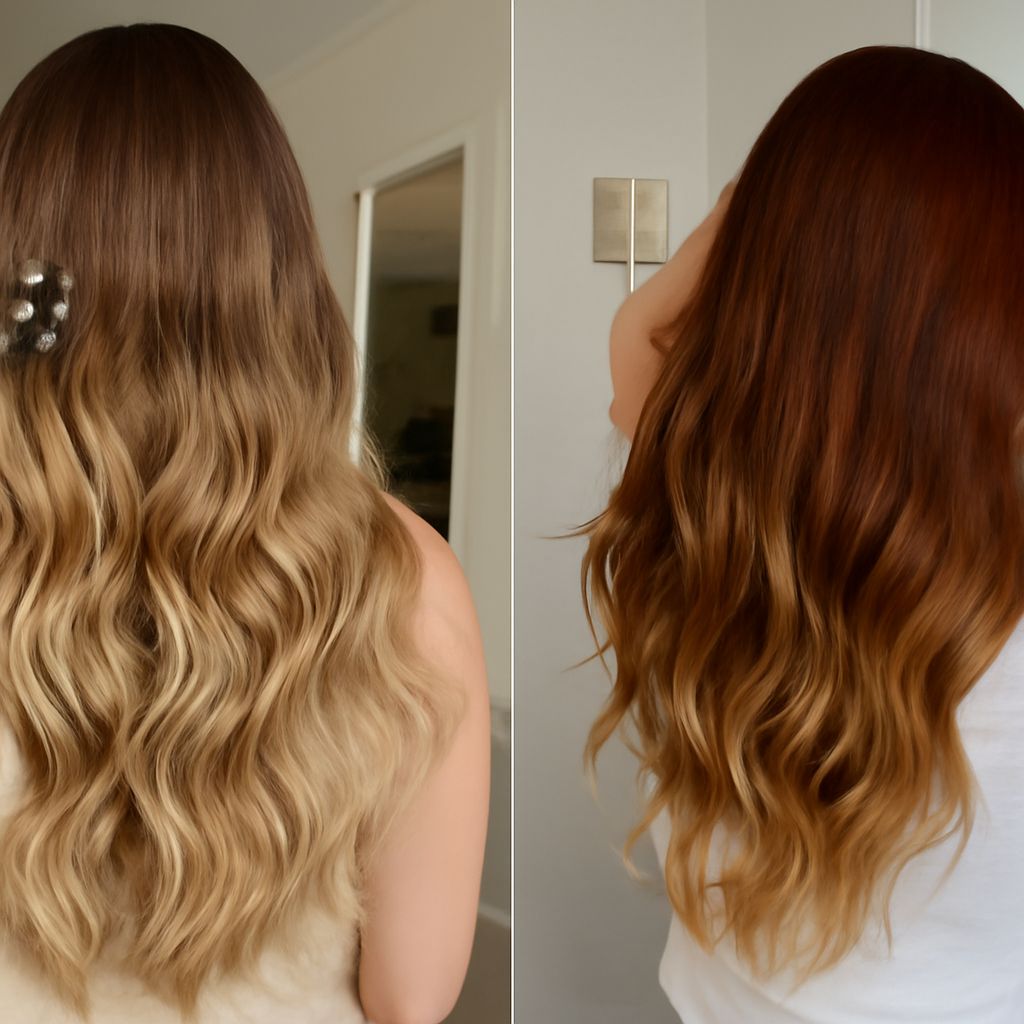
Balayage is a French freehand painting technique where color is swept onto sections of hair without foil. The colorist paints lightener directly onto the surface of the hair in broad, sweeping strokes, concentrating product at the mid-lengths and ends while leaving roots darker. The result is a graduated, natural-looking fade that mimics the way hair lightens in the sun. Because the application is freehand, no two balayage treatments look identical, which contributes to its naturally organic finish.
What Are Highlights?
Traditional highlights use foils to isolate precise sections of hair, which are then saturated with lightener or color. Foils create complete separation from surrounding hair, allowing the product to process more intensely and produce brighter, more uniform results. The foil method gives the colorist control over exactly which sections lighten and by how much. Highlights can be full-head or partial, which covers only the top sections and hairline, at a lower cost.
Key Differences in Technique and Result
Application Method
Balayage is applied with a brush and no foil, so heat from the head warms the product naturally. Foil highlights use the heat-trapping effect of the foil to speed and intensify the lightening process. This means highlights can lift hair lighter in a single session than balayage typically achieves.
Placement and Dimension
Balayage produces soft, blended transitions with a sun-kissed effect; there is no visible root line as the hair grows. Foil highlights create more defined lines of contrast. Those wanting a high-contrast, bright blonde look find traditional highlighting techniques more effective. Balayage suits those wanting a softer, dimensional result that requires less frequent salon visits.
Maintenance Requirements
One of the clearest reasons to choose balayage in the highlight vs balayage comparison is grow-out time. Because balayage leaves the roots naturally darker, the grow-out period is gradual and unnoticeable, allowing four to six months between appointments. Foil highlights require touch-ups every six to ten weeks to address the root line that becomes visible as hair grows.
Partial Highlights vs Balayage: Which Costs Less?
Partial highlights cover the top sections and frame the face. They cost less than a full-head treatment and are a popular low-maintenance option. A partial balayage has a similar price point but delivers a different aesthetic: softer, more natural than crisp partial foils. Full balayage treats more of the hair and costs proportionally more. When comparing partial highlights vs balayage side by side, partial foil highlights deliver more visible immediate impact at a similar or slightly lower price, while partial balayage offers longer time between appointments.
Half Balayage vs Full Balayage
Half balayage concentrates the freehand lightening on the top half of the head, leaving the underneath layers darker for a subtler contrast effect. It costs less and works well for those testing balayage for the first time or preferring a low-key dimensional look. Full balayage treats all layers and delivers the most comprehensive sun-kissed finish throughout the entire hair length.
Which Technique Is Right for You?
If you want maximum brightness and bold contrast and are willing to return to the salon every two months, traditional foil highlights deliver that reliably. If a low-maintenance, natural, grown-in look with infrequent appointments appeals to you, balayage is the stronger choice. Hair texture also matters: balayage looks particularly beautiful on wavy and curly hair because the waves reveal the color variation with movement, while straight fine hair may show more defined dimension with foils.
Key takeaways: The difference between balayage and highlights comes down to application method, finish, and maintenance schedule. Balayage offers a softer grow-out and longer time between appointments; foil highlights deliver brighter, more defined results with more frequent upkeep. Choose based on your lifestyle and the look you want rather than which is trendy at the moment.





Leave a Reply