
Best Under Eye Concealer for Dark Circles: How to Choose and Apply for Real Results
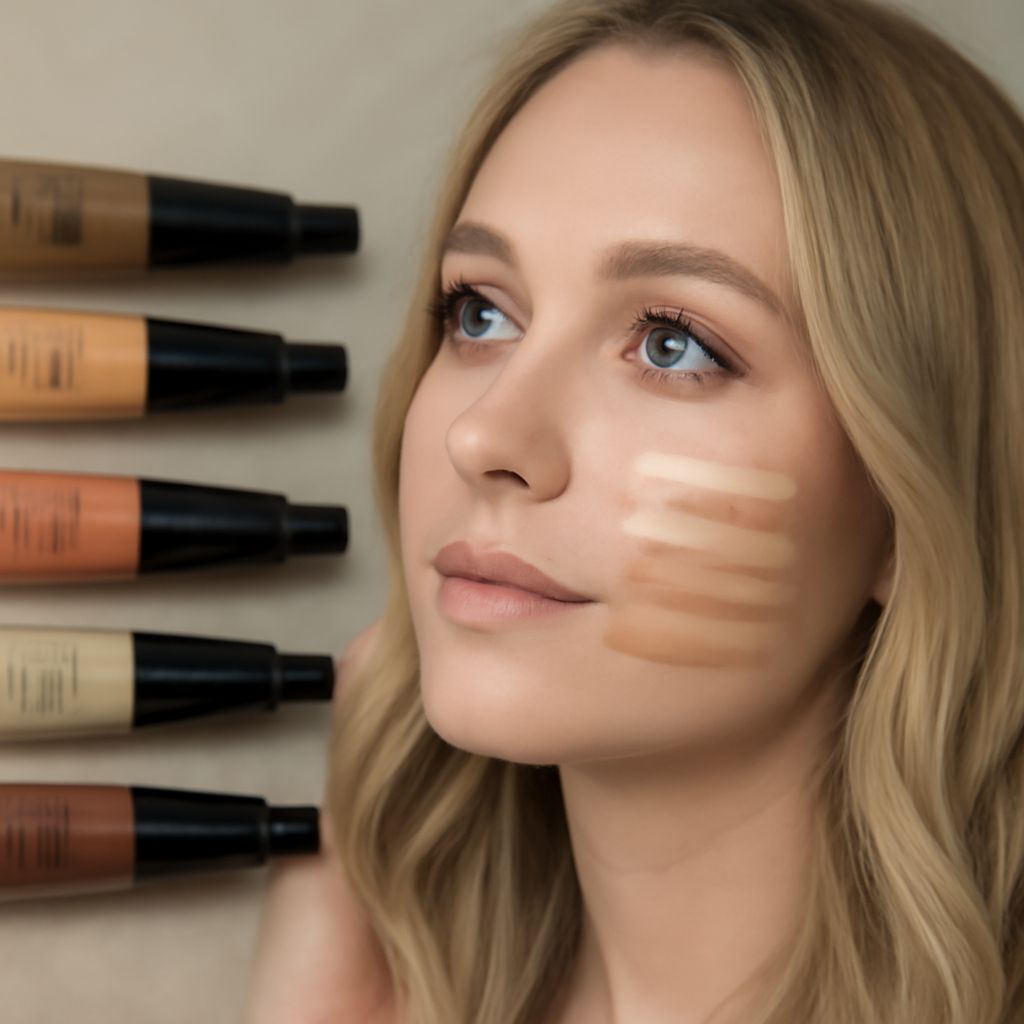
Finding the best under eye concealer for dark circles is genuinely one of the most searched topics in makeup, and for good reason: the under-eye area is tricky to cover well. The skin there is thinner, more prone to creasing, and often discolored in shades ranging from purple to blue to brown depending on your skin tone and the cause of the circles. A proper best dark circle concealer does more than just deposit pigment; it corrects the undertone, brightens, and stays put without settling into fine lines throughout the day.
Whether you are after the best concealer for dark circles under eyes that layers seamlessly under powder or a formula that stands alone without creasing, this guide covers what to look for. Shoppers with deeper complexions will also find specific guidance on the best concealer for dark skin, where undertone matching is especially important. The right best concealer dark circles pick can make a dramatic visible difference with very little technique.
Understanding What Causes Under-Eye Darkness
Dark circles have multiple causes and the type you have determines which concealer formula works best. Vascular circles, visible blue or purple discoloration from blood vessels near the skin surface, respond best to peach or orange color-correcting concealers. Pigmentation-based darkness, more common in people with deeper skin tones, is a brownish shadow that benefits from warmer, orange-leaning shades. Structural circles caused by hollowing or fat loss create shadows that no concealer fully eliminates; in those cases a thicker, more luminous formula with light-reflecting pigments creates the best visual result.
Key Ingredients That Make a Difference
Color-Correcting Pigments
Peach and salmon tones cancel out blue-purple circles. Orange or terracotta shades address brown or deep discoloration. Many high-performing under-eye formulas now incorporate a slight warmth into their shade range specifically for this reason. Using a dedicated color-corrector underneath a flesh-tone concealer produces more thorough coverage than a single product alone.
Skincare Actives
Caffeine constricts blood vessels and reduces temporary puffiness. Vitamin C brightens over time and addresses surface pigmentation. Hyaluronic acid keeps the thin under-eye skin hydrated, which prevents a cakey or dry finish. Peptides in some formulas support collagen production for cumulative long-term improvements alongside the immediate cosmetic effect.
Light-Reflecting Particles
Subtle luminosity in concealer shifts attention away from shadows through optical illusion. Look for formulas described as radiant or brightening rather than full matte, which can look flat and age under delicate eye-area skin.
Formula Types and How They Perform
Liquid Concealers
Lightweight liquid concealers blend easily and layer well without looking heavy. They are best for mild to moderate discoloration and work beautifully when applied with a damp sponge using a tapping rather than dragging motion. They may need setting powder to prevent creasing after several hours.
Stick and Balm Concealers
Thicker stick formats deliver more coverage and are better for pronounced dark circles or hollowing. They require careful blending to avoid a cakey result. A clean ring finger or a small precision brush works better than a sponge for these denser formulas.
Finding the Best Concealer for Dark Skin
Deeper skin tones present a particular challenge because many concealer lines lack shade depth and offer warm undertones inconsistently. Look for brands with expanded shade ranges that go to deep and rich without pulling ashy or gray on deeper complexions. Orange-correcting primers under a deeper neutral concealer produce the most natural-looking result. Avoid formulas with silver or cool pearl luminosity, which reads as ashy rather than brightening on darker skin.
Application Tips for Lasting Coverage
Apply concealer after foundation to use only as much as genuinely needed. Dot small amounts under the eye in a triangular shape pointing down toward the cheek, then blend upward. Set lightly with a finely-milled translucent setting powder and a small brush, concentrating on the inner corner where creasing starts first. Avoid applying too much product in one layer; two thin coats cover better than one heavy application.
Pro tips recap: Match your concealer shade and undertone to the type of dark circle you have, not just your skin tone. Use skincare-infused formulas for the thin under-eye skin. Set with a light translucent powder to prevent creasing, and if coverage seems inconsistent, add a color-corrector underneath rather than piling on more concealer.



Leave a Reply