
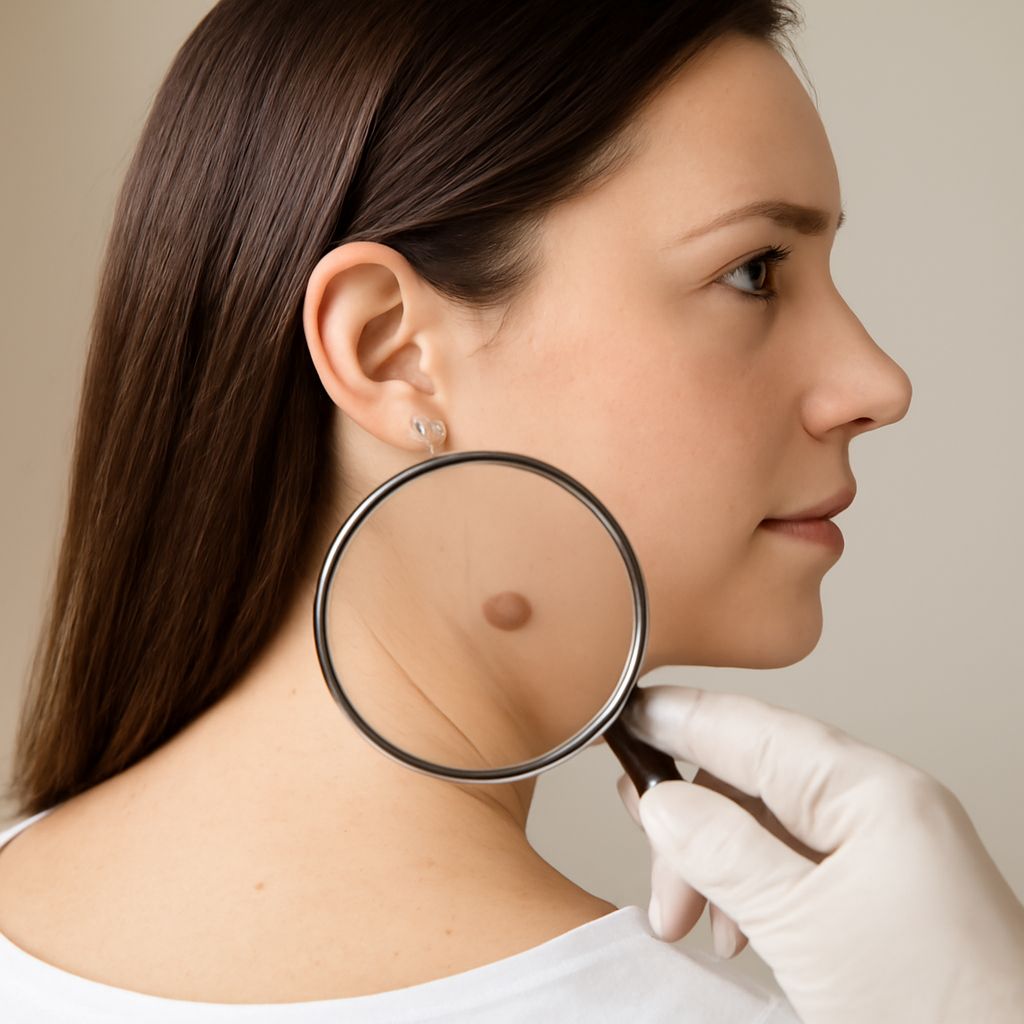
Skin Cancer Doctor: How to Find the Right Specialist and Clinic
Finding the right skin cancer doctor involves knowing which type of specialist handles different aspects of skin cancer detection and treatment. A skin clinic for routine skin checks differs from a skin center that offers full oncology services, and knowing the difference helps you find the right level of care for your situation. Whether you have a suspicious mole or have already received a diagnosis, understanding how to navigate specialist care makes the process less overwhelming.
A skin specialist is the starting point for most skin concerns. A skin care center may offer cosmetic and medical services. A dedicated skin center for cancer evaluation typically offers dermatopathology and surgical oncology alongside the dermatology consultation. This guide covers the types of providers involved in skin cancer care and how to find appropriate care at each stage.
Types of Skin Cancer Doctors and Specialists
Different providers have different roles in skin cancer care.
Dermatologist
A dermatologist is a skin specialist who handles diagnosis and treatment of most skin conditions, including benign and malignant lesions. For basal cell and squamous cell carcinomas, a dermatologist often handles the full care pathway including biopsy and surgical excision. Dermatologists perform the majority of routine full-body skin checks.
Mohs Surgeon
Mohs micrographic surgery is a specialized technique used for high-risk skin cancer located on sensitive areas like the face, ears, hands, and feet. A Mohs surgeon is a dermatologist with additional training in this technique. It offers the highest cure rates for basal cell and squamous cell carcinomas because it examines 100% of the surgical margin during the procedure.
Oncologist
For melanoma or skin cancers that have spread beyond the local skin, a medical or surgical oncologist becomes involved. Immunotherapy, targeted therapy, and systemic chemotherapy for advanced skin cancers are managed by oncology specialists rather than general dermatologists.
What to Expect at a Skin Clinic
A skin clinic visit for a skin check or suspicious lesion typically involves a full-body visual examination. The dermatologist uses a dermatoscope to examine moles and lesions more closely. Any area that raises concern may be biopsied during the same visit or scheduled for a separate appointment. Most skin clinic appointments for skin checks take 20 to 30 minutes. Bring a list of any moles or spots you want reviewed specifically.
Choosing a Skin Center for Cancer Care
When more comprehensive cancer treatment is needed, a skin center with multidisciplinary capabilities is preferable. Look for centers affiliated with academic medical institutions or certified cancer care organizations. These centers coordinate dermatology, surgical oncology, radiation oncology, and medical oncology under one roof, which simplifies care when multiple specialists are involved.
Questions to Ask
- What is your experience with this specific type of skin cancer?
- Do you have dermatopathology services on-site or at an affiliated lab?
- What is the typical turnaround time for biopsy results?
- Do you offer Mohs surgery or refer to a specialist?
When to See a Skin Specialist Without Delay
Do not wait for your annual check if you notice a lesion that is changing rapidly in size, color, or shape. Any lesion that bleeds without injury, itches persistently, or looks different from other moles on your body should be evaluated promptly. The ABCDE rule (Asymmetry, Border, Color, Diameter, Evolution) helps identify concerning features. Early evaluation is the most reliable way to catch skin cancer at a stage where treatment outcomes are best.
Skin Care Center vs Skin Cancer Clinic: Knowing the Difference
Many facilities marketed as skin care centers offer primarily cosmetic services like laser treatments, injectables, and facials alongside basic medical dermatology. These are appropriate for cosmetic concerns. For skin cancer evaluation and treatment, a medical dermatology practice or a skin clinic with a board-certified dermatologist is the right setting. Confirm that the provider you see is a licensed physician dermatologist rather than a nurse practitioner or aesthetician when cancer evaluation is your concern.
Safety note: Self-monitoring is valuable but not a substitute for professional skin evaluation. Annual full-body checks by a board-certified dermatologist are recommended for anyone with a personal or family history of skin cancer, multiple moles, or a history of significant sun exposure or tanning bed use.




Leave a Reply