
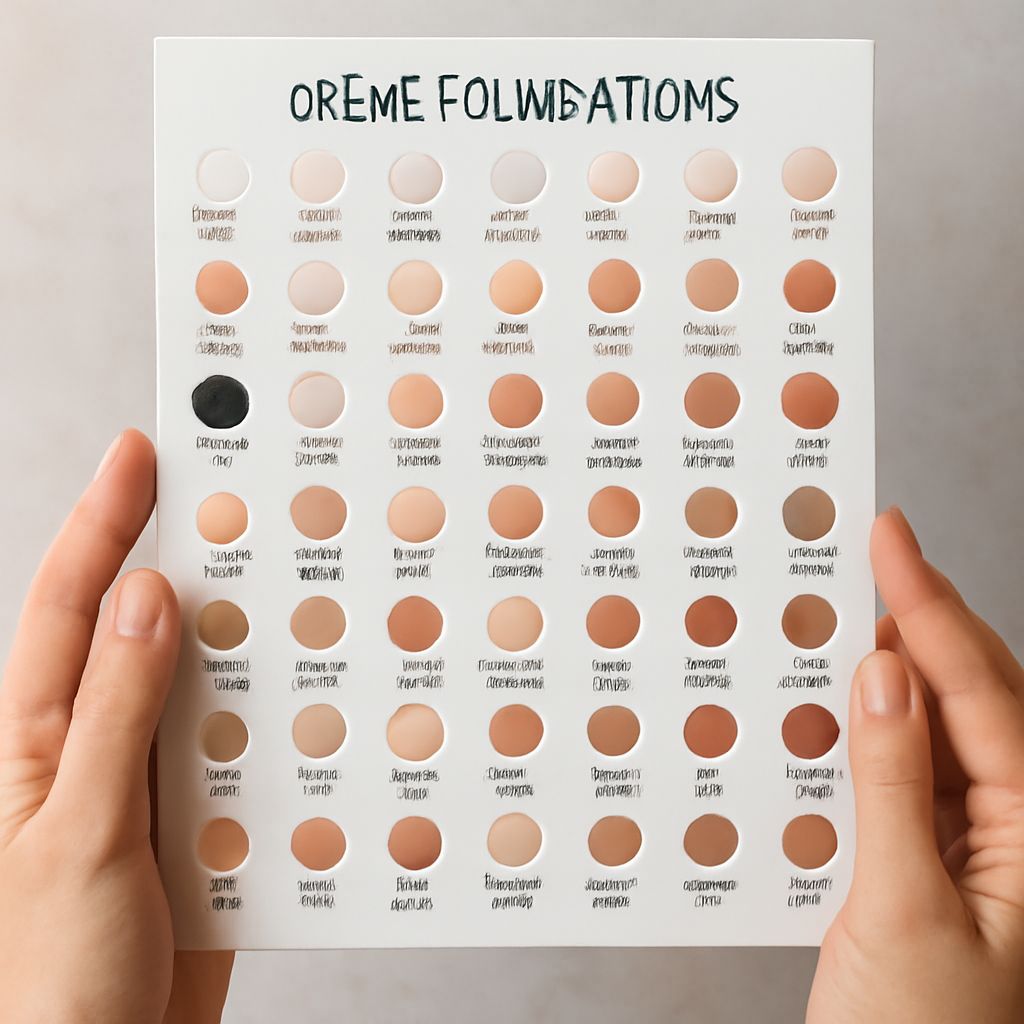
All Skin Tones: A Complete Guide to the Skin Tone Range
Understanding all skin tones goes beyond simply naming them by lightness or darkness. The skin tone range encompasses both surface shade and undertone, and the interaction between these two qualities explains why people with similar surface colors can look very different in the same shades of makeup, clothing, or hair color. A list of skin tones that accounts for both dimensions is more useful than one based on depth alone.
A skin tone list with undertone categories helps explain why beauty and fashion choices that work beautifully on one person can look unflattering on another with a superficially similar complexion. A list of skin colors that includes warm, cool, and neutral variations covers the actual range of human complexion in a practical way. This guide walks through the full skin tone range from fair to deep, with undertone categories at each level.
What Determines Skin Tone?
Skin tone, or surface skin color, is determined primarily by melanin, the pigment produced by melanocytes in the skin. Higher melanin concentration produces deeper skin tones. Lower concentration produces lighter skin. In addition to melanin, hemoglobin (which gives skin a reddish quality) and carotene (a yellowish pigment found in foods that accumulates in skin) contribute to overall skin color. Undertone refers to the hue beneath the surface that is influenced by these pigments and blood vessels.
The Skin Tone Range: From Fair to Deep
A comprehensive list of skin tones typically includes six to eight main categories:
- Porcelain or ivory: The palest end of the skin tone range, often with cool or neutral undertones and very little melanin. Burns easily in the sun.
- Fair: Light skin with visible pinkness or warmth. May have cool, warm, or neutral undertones.
- Light to light-medium: A wide range that includes many Northern European and East Asian skin tones. Undertones vary considerably in this range.
- Medium: Often described as the midpoint of the skin tone list. Can lean warm (golden or peachy) or cool (pinkish or olive-cool).
- Olive: Medium depth with a distinctive greenish-yellow undertone that sits between warm and neutral. Common in Mediterranean, Middle Eastern, and some South and Southeast Asian populations.
- Tan or caramel: Warmer, deeper medium skin. Common in Latin American, South Asian, and some mixed-heritage populations.
- Deep brown: Rich brown complexions with warm or cool undertones depending on the individual.
- Deep or rich: The deepest end of the skin tone range, with high melanin concentration. Undertones include cool (blue-based), warm (red or orange-based), and neutral.
Undertones Across All Skin Tones
Every skin tone on the list of skin colors has an undertone. Three categories cover all skin tones:
- Warm: Yellow, golden, or peachy cast beneath the surface color
- Cool: Pink, red, or blue cast
- Neutral: A mix of warm and cool with no dominant single undertone
Undertone is stable across seasons and tanning. A warm-undertoned person who tans does not develop a cool undertone. This is why undertone awareness is more reliably predictive of color choices than surface skin shade alone.
How the Skin Tone Range Affects Beauty and Fashion
Foundation matching requires identifying both depth (how light or dark) and undertone (warm, cool, or neutral). A foundation with the right depth but the wrong undertone looks grey, orange, or ashy rather than natural. Hair color choices are similarly affected: warm shades suit warm undertones, cool shades suit cool undertones. In fashion, certain color palettes are traditionally recommended for warm undertones (earthy, golden, warm red) and others for cool undertones (blue, berry, cool white).
Beyond the Binary: Diversity Within the List of Skin Colors
Any list of skin tones is a simplification of the genuine diversity within human complexions. People of the same ancestry can have very different undertones and surface shades. Mixed heritage often produces skin tones that do not fit neatly into standard categories. The value of a skin tone range guide is not to categorize or limit but to provide a shared vocabulary for choosing products and colors more effectively.
Pro tips recap: All skin tones have both a surface shade and an undertone. Understanding where you fall on the skin tone range helps with foundation matching, hair color selection, and clothing choices. A list of skin tones is most useful when it includes undertone categories alongside depth, because both matter for how colors read on any given person.





Leave a Reply