
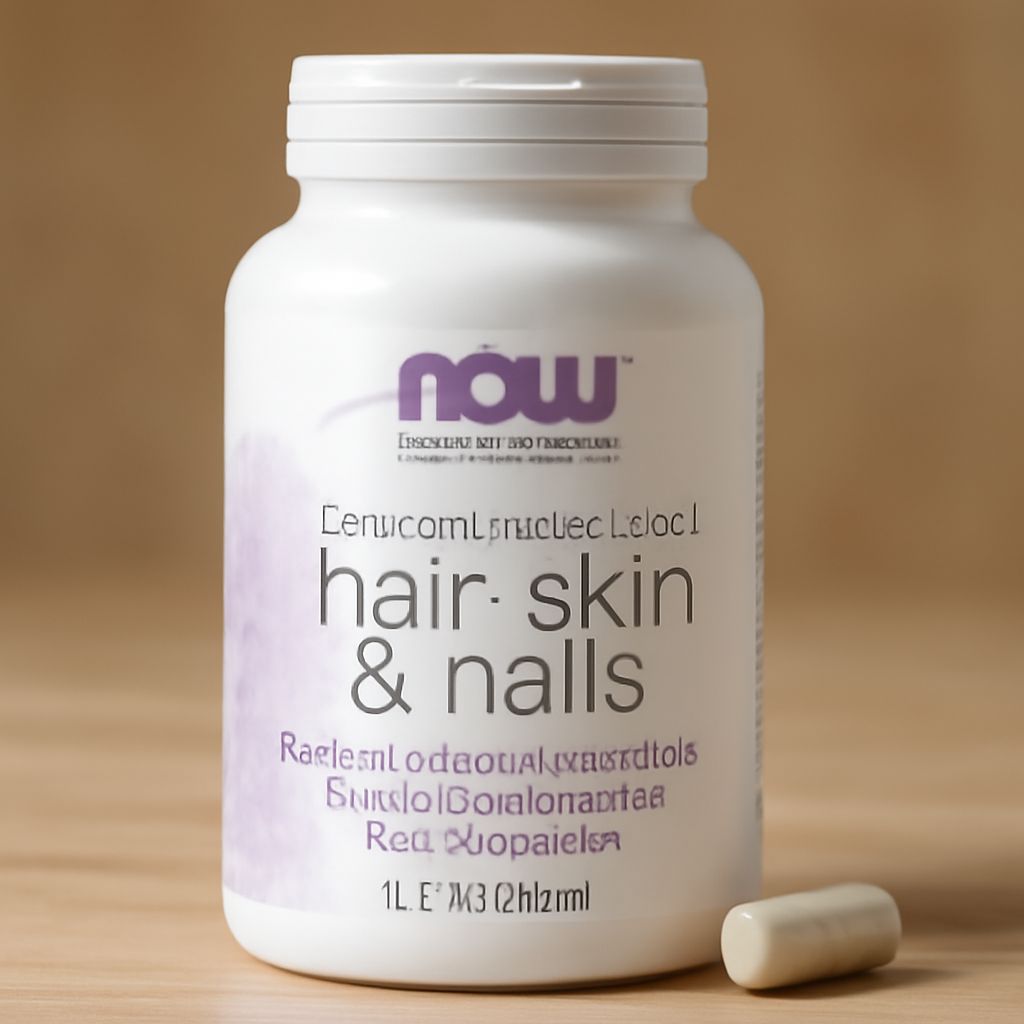
Hair Skin and Nails Supplement: What It Does and What to Expect
A hair skin and nails supplement is one of the most widely sold beauty supplement categories, but results vary considerably between people. A hair skin and nails vitamin typically contains a combination of biotin, collagen precursors, vitamins A, C, and E, zinc, and sometimes hyaluronic acid or other skin-supporting ingredients. Skin hair and nails formulations are designed to provide the micronutrients that support the health of these tissues when dietary intake is insufficient.
Hair skin and nails before and after results are highly variable. People with nutritional deficiencies often see meaningful hair skin and nails results within a few months. People who already have adequate levels of the relevant nutrients are unlikely to see dramatic changes from supplementation. Understanding what these products can and cannot do sets realistic expectations for anyone considering adding one to their routine.
Key Ingredients in Hair Skin and Nails Supplements
The most common ingredients in these supplements and what they do:
Biotin
Biotin (vitamin B7) is the ingredient most prominently marketed in hair skin and nails vitamins. It plays a role in keratin production, the structural protein in hair and nails. Biotin deficiency causes hair loss, brittle nails, and skin rash. However, true biotin deficiency is rare in people who eat a varied diet. Supplementation in people without deficiency does not consistently produce measurable hair or nail improvement in clinical studies.
Collagen and Vitamin C
Collagen precursor ingredients, including amino acids like glycine, proline, and hydroxyproline, support the body’s own collagen production. Vitamin C is essential for collagen synthesis. Together, they support skin structure and elasticity. Vitamin C also acts as an antioxidant, protecting skin cells from oxidative stress.
Zinc
Zinc deficiency is associated with hair shedding, poor wound healing, and skin inflammation. Supplementing zinc in someone who is deficient produces visible results in these areas. Zinc toxicity is possible with excessive doses, so staying within recommended daily intake levels is important.
Other Common Ingredients
Vitamin A supports cell turnover and skin health. Vitamin E provides antioxidant protection. Hyaluronic acid supports skin hydration from within at higher oral doses. Some formulations include silica, which may support nail strength.
What Hair Skin and Nails Before and After Results Look Like
Realistic hair skin and nails results depend on baseline nutritional status. People with documented deficiencies in biotin, zinc, iron, or vitamin D often see improvement in hair shedding, nail strength, and skin clarity within two to three months of consistent supplementation. People already meeting their nutritional needs from food are unlikely to see the dramatic transformations shown in some marketing materials.
Hair Changes
Reduced shedding, improved thickness, and healthier-looking new growth are the most common improvements reported. These changes take time because hair growth cycles span months.
Skin Changes
Improved hydration, fewer blemishes related to vitamin deficiency, and a more even appearance may develop with consistent use. Collagen-supporting ingredients have the most evidence for skin elasticity improvement over time.
Nail Changes
Nails typically respond faster than hair. Many people report harder, less brittle nails within 4 to 8 weeks of starting a supplement with biotin, silica, or zinc.
Choosing a Quality Hair Skin and Nails Supplement
Look for products that disclose the full ingredient list and dosage amounts rather than hiding them in proprietary blends. Choose formulations that include clinically relevant doses rather than trace amounts. Third-party testing certification indicates quality control in manufacturing. Avoid products with excessive biotin doses (some marketed products contain 10,000 mcg or more, far above the 30 mcg daily adequate intake level).
When a Supplement Is Not Enough
Significant hair loss, nail changes, or skin issues may indicate an underlying condition that supplementation cannot address. Thyroid disorders, alopecia, and autoimmune conditions all affect skin hair and nails and require medical diagnosis and treatment. If symptoms are marked or worsen despite supplementation, consulting a physician or dermatologist is the appropriate next step.
Safety note: High-dose biotin supplementation can interfere with certain laboratory tests, including thyroid function tests and cardiac troponin assays. Inform your healthcare provider that you are taking a biotin supplement before any blood tests are performed, as this can affect result accuracy.

Leave a Reply