
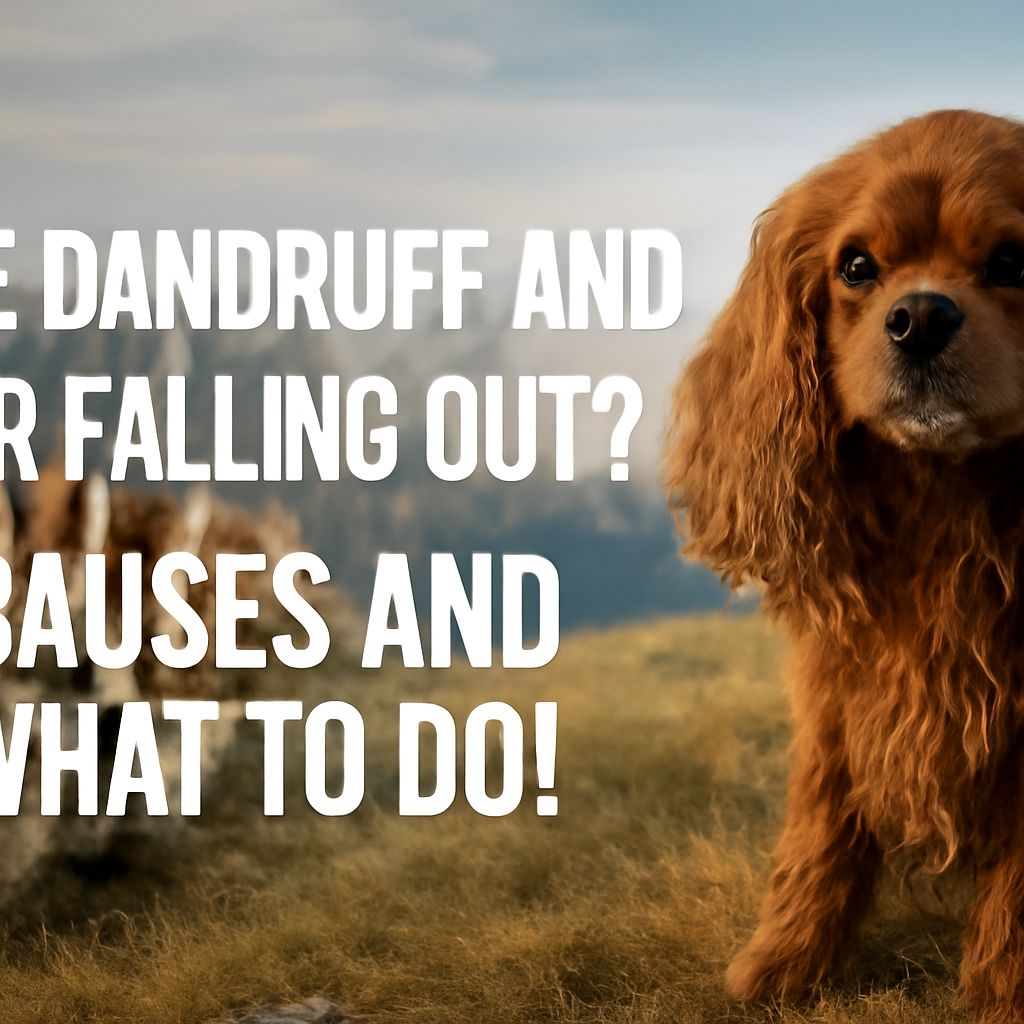
Why Does My Dog Have Dandruff? Causes and What to Do
Why does my dog have dandruff is a question many pet owners ask when they notice white flakes on their dog’s coat or furniture. My dog has dandruff is a common situation with several identifiable causes, and most cases respond well to dietary changes, adjusted grooming routines, or environmental modifications. A dog with dandruff does not necessarily have a serious underlying condition, but persistent or worsening flaking warrants investigation.
Pet dandruff in dogs affects all breeds and ages. Dog has dandruff and itching together suggests more than simple dryness: the itching component often points toward allergies, parasites, or skin conditions that need targeted treatment. Identifying the specific trigger helps you choose the most effective response.
Common Reasons Why Dogs Get Dandruff
Several triggers account for most cases of dog dandruff.
Dietary Deficiency
A diet insufficient in omega-3 and omega-6 fatty acids is the most common dietary cause of dandruff in dogs. These fatty acids maintain the integrity of the skin barrier and the quality of the coat. Dogs fed primarily dry kibble of lower nutritional quality are particularly susceptible. Fish oil supplementation is a reliable and widely used solution.
Environmental Dryness
Low humidity, particularly during winter months with indoor heating running, dries out canine skin. This is especially noticeable in dogs that sleep near heating vents or radiators. Mild seasonal dandruff that resolves in warmer months is often environmental in nature.
Cheyletiella Mites
Cheyletiella mites produce what is sometimes called walking dandruff because the flakes appear to move. These mites are visible to the naked eye as tiny white specks moving on the skin surface. This condition is contagious to other pets and occasionally to humans. It requires veterinary-prescribed treatment, not home care.
Seborrheic Conditions
Seborrhea in dogs causes excessive scaling. Primary seborrhea is inherited and more common in cocker spaniels, basset hounds, and West Highland white terriers. Secondary seborrhea develops as a result of allergies, hormonal imbalances, or infections and is more common overall. Treating the underlying cause is essential for secondary seborrhea.
Hypothyroidism and Hormonal Causes
An underactive thyroid gland reduces skin cell turnover and oil production, producing dry, flaky skin. Other hormonal conditions like Cushing’s disease also affect the skin and coat. These conditions require blood testing to diagnose.
Dog Has Dandruff and Itching: What It Means
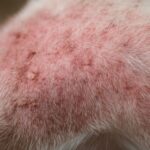
When dog has dandruff and itching are present together, the differential diagnosis widens. Simple dry skin typically produces flaking without significant itch. When itching is prominent alongside dandruff, allergies (food, environmental, or contact), parasites (fleas, mites), or secondary skin infections are more likely contributors. Year-round flea prevention is important for any itching dog because flea allergy dermatitis can mimic dry skin symptoms while requiring a completely different treatment.
How to Help a Dog with Dandruff
For mild cases without significant itch, start with these steps:
- Add a veterinarian-approved omega-3 fish oil supplement to meals at weight-appropriate doses
- Increase brushing frequency to distribute natural skin oils through the coat
- Switch to a moisturizing dog shampoo formulated for dry or sensitive skin
- Add a humidifier to the dog’s sleeping area in winter
- Review food quality and consider upgrading to a higher-fat, higher-quality formula
When to Visit a Veterinarian
If pet dandruff persists beyond four to six weeks of consistent home care, or if it is accompanied by hair loss, skin redness, odor, or behavioral changes, a veterinary evaluation is warranted. Blood tests assess thyroid function and other systemic causes. Skin scrapings check for mites. A proper diagnosis ensures the treatment matches the actual cause rather than treating symptoms while the underlying condition progresses.
Pro tips recap: Why does my dog have dandruff often comes down to diet, humidity, or a manageable skin condition. Start with fish oil supplementation and a moisturizing shampoo. If the dog has dandruff and itching together, parasites and allergies should be ruled out before assuming simple dryness.
Leave a Reply