
Skin Biopsy Healing: Aftercare, Infection Signs, and Recovery
Skin biopsy healing follows a predictable sequence when the wound is cared for correctly. The procedure removes a small sample of skin for laboratory analysis and creates a wound that typically heals within one to three weeks depending on the biopsy type and location. Skin biopsy aftercare instructions from your dermatologist or physician guide the process, but understanding what normal healing looks like, versus what indicates infection, helps you monitor the site with confidence.
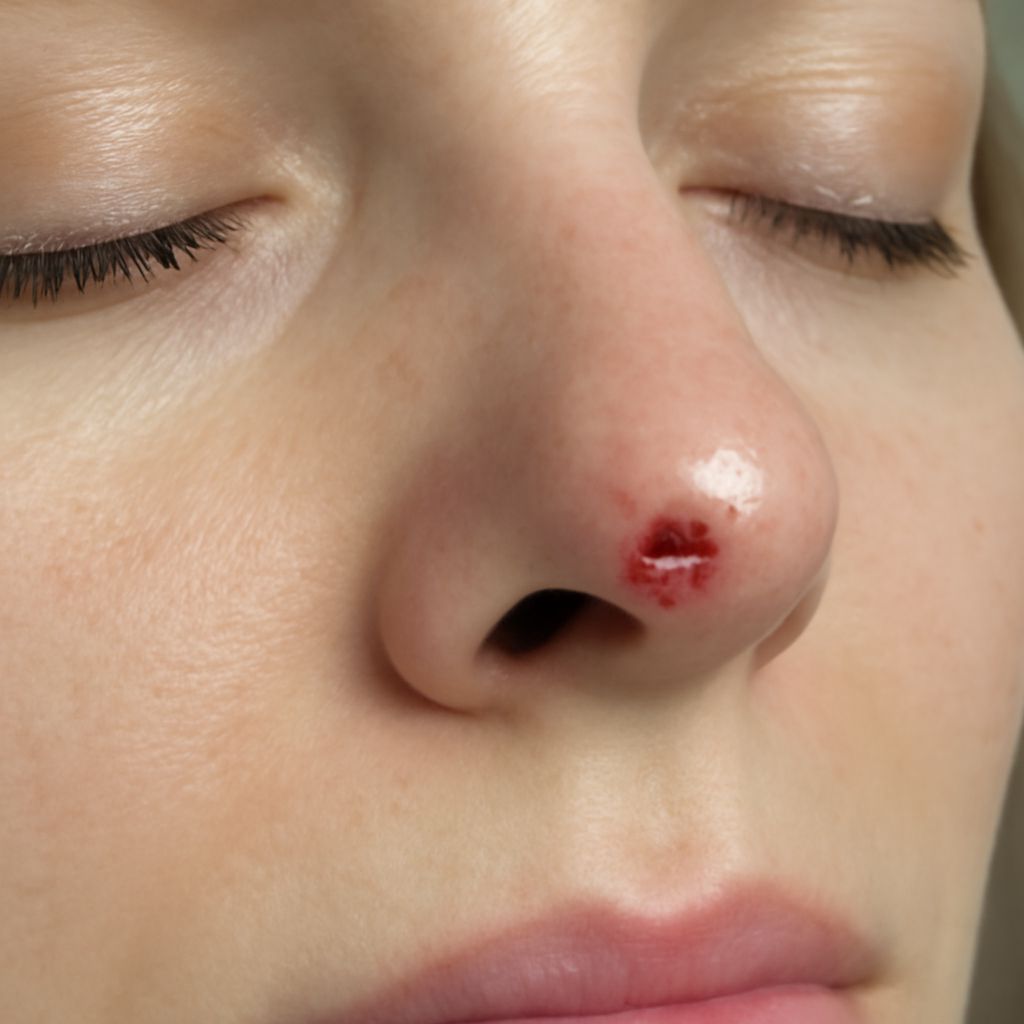
Pictures of infected skin biopsy site wounds show what to watch for: expanding redness, increasing warmth, pus discharge, and worsening pain after the first day or two. Skin biopsy infection is relatively uncommon when aftercare is followed correctly, but it does occur. Redness around skin biopsy site is normal in the immediate days after the procedure. The key is recognizing when redness is spreading rather than resolving.
What Happens Immediately After a Skin Biopsy
A skin biopsy leaves a small wound, which may or may not be closed with one or two sutures depending on the size and depth. In the first 24 hours, mild bleeding, tenderness, and localized redness are all normal. The wound forms a clot and begins the initial inflammatory phase of healing, which produces warmth and slight swelling at the site. This phase lasts one to three days and is not a sign of infection on its own.
Skin Biopsy Aftercare Instructions
Following aftercare instructions consistently significantly reduces infection risk and supports faster healing.
Keeping the Site Clean
Clean the biopsy site gently once daily with mild soap and water or as directed. Pat dry with a clean cloth or gauze. Avoid scrubbing or applying hydrogen peroxide, which can damage new tissue and delay healing.
Keeping the Site Covered
Apply a thin layer of petroleum jelly or an antibiotic ointment if prescribed, then cover with a non-stick bandage. Keeping the wound moist under an occlusive covering reduces scab formation and supports faster, smoother healing. Change the dressing daily or whenever it becomes wet or dirty.
Activity Restrictions
Avoid submerging the site in water (pools, baths, hot tubs) for the first week. Limit vigorous activity that causes sweating at the wound site. High-tension areas like joints may need an extended restriction period to prevent the wound from pulling apart.
Normal Healing Timeline
Days 1 to 3: redness, mild swelling, and tenderness. A small crust may form. Days 4 to 7: the crust becomes more defined, surrounding redness begins to fade, and pain reduces significantly. Weeks 1 to 3: the scab falls away on its own, revealing new pink skin underneath. A faint scar or pink mark may remain for several weeks to months.
How to Recognize Skin Biopsy Infection
Skin biopsy infection is distinguished from normal healing by the direction of symptoms: infection gets worse over time, while normal healing improves.
Signs of Infection
- Redness that expands beyond the immediate wound edges
- Increasing warmth or swelling after the first two to three days
- Pus or cloudy discharge from the wound
- Worsening pain rather than gradual improvement
- Red streaks extending away from the site (lymphangitis)
- Fever
Contact your healthcare provider promptly if any of these signs appear.
Redness Around Skin Biopsy Site: When Is It Normal?
Some redness around skin biopsy site wounds is expected for the first three to five days. It represents the body’s normal inflammatory response. Redness that is confined to a small area immediately surrounding the wound and that gradually decreases over the first week is normal. Redness that expands outward in any direction after the first day or two, or that develops new heat and tenderness after initially improving, is not normal and should be evaluated.
Safety note: If sutures were placed, keep the appointment for their removal and do not attempt to remove them yourself. Pulling sutures out at the wrong time increases the risk of the wound reopening and scarring. Report any signs of infection promptly rather than waiting to see if they resolve on their own.



Leave a Reply