
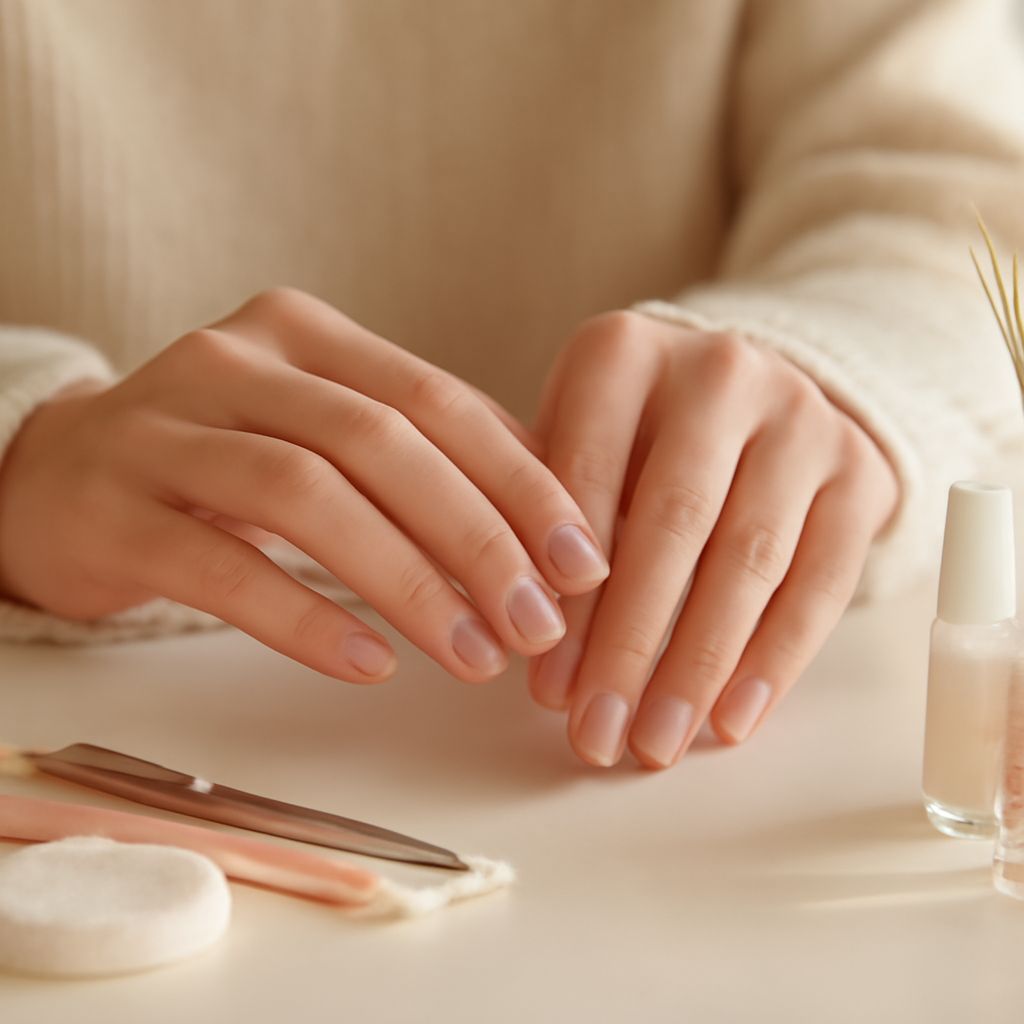
How to Remove Acrylic Nails Without Damaging Your Natural Nails
Knowing how to remove acrylic nails correctly prevents the nail damage that comes from forcing the process. The most important rule when learning how to take off acrylic nails is that patience matters more than speed. How to take off acrylic nails at home is entirely achievable with the right materials and enough time. Rushing the process or prying the acrylics off before they are fully softened is what causes thin, weak, and broken natural nails.
How to take acrylic nails off safely relies primarily on acetone, which dissolves the acrylic polymer without damaging the natural nail underneath. How do you take off acrylic nails without a salon visit? The same way professionals do it: with pure acetone, some patience, and a gentle final removal step. This guide covers both the foil wrap and bowl soak methods in full.
What You Need
Before starting, gather: 100% pure acetone (not regular nail polish remover), a nail file or buffer, tin foil or acetone-safe bowls, cotton balls or pads, a wooden cuticle pusher or orangewood stick, and cuticle oil or a rich hand cream for after. Petroleum jelly applied around each nail protects the surrounding skin from prolonged acetone contact.
The Foil Wrap Method
This is the most reliable method for how to take off acrylic nails at home.
Step 1: File the Surface
Use a coarse-grit nail file to remove the top shiny layer of the acrylic. This breaks through the seal and allows acetone to penetrate much faster. Do not file down to your natural nail, just remove the surface gloss coat.
Step 2: Soak and Wrap
Saturate a cotton ball with pure acetone and place it over the nail. Wrap each finger tightly in a small square of tin foil to hold the cotton in place and concentrate heat, which speeds the process. Keep wraps on for 20 to 30 minutes without disturbing them.
Step 3: Gentle Removal
Remove one wrap at a time. The acrylic should be soft and easy to slide or push off with a cuticle pusher. If any resistance is felt, re-wrap and soak for another 10 minutes. Never force or peel. A second soak is always the better choice.
The Bowl Soak Method
Pour pure acetone into a glass bowl (not plastic, which acetone degrades) and submerge fingertips for 20 to 30 minutes. This method works for how to remove acrylic nails but exposes more skin to acetone than the foil method. Keep the bowl away from open flames and in a well-ventilated space. After soaking, use a cuticle pusher to gently remove the softened acrylic.
Comparison to the Foil Method
The foil method is generally preferred because it concentrates acetone on the nail and uses less product. The bowl method is simpler to set up and works well if you are comfortable with more exposure. Both methods achieve the same result when used correctly.
Aftercare for Your Nails
After removing acrylics, your natural nails may feel thin and flexible. This is normal and temporary.
- Buff gently with a fine-grit buffer to smooth any rough areas on the nail plate.
- Apply cuticle oil generously to each nail and the surrounding skin.
- Follow with a rich hand cream to counter the drying effects of acetone.
- Use a nail strengthener or hardener if the nails feel weak. Look for products containing keratin or calcium.
- Repeat cuticle oil application daily for two to four weeks while nails recover.
What to Avoid Throughout the Process
Do not peel, bite, or pry at any stage. Even partially dissolved acrylic will take layers of the natural nail with it if removed by force. Do not use regular nail polish remover, which is too weak. Do not skip the filing step, as this dramatically extends the time needed for acetone to work through. Do not omit aftercare, as the combination of filing and acetone leaves nails dehydrated.
Bottom line: How to remove acrylic nails safely comes down to using pure acetone, filing first, soaking fully, and removing gently. How to take acrylic nails off without damage means waiting for the soak to do its work rather than rushing. Proper aftercare restores natural nail health within a few weeks of consistent moisturizing and cuticle oil use.



Leave a Reply