
Split Ends, Squalane, and Azelaic Acid: Hair and Skin Ingredient Guide
Split ends are one of the most visible signs of hair damage, and understanding how to manage them requires knowing what causes them and how certain ingredients help. Squalane has become a popular lightweight oil for both hair and skin, particularly for people looking for non-comedogenic moisture. Azelaic acid before and after comparisons show why this ingredient has gained traction for uneven skin tone and mild acne. For anyone researching how to care for their hair and skin more effectively, knowing how these different topics connect can clarify where to focus.
Pictures of skin after cryosurgery demonstrate how the skin heals after a common dermatological procedure. Milk allergy skin rash pictures show the kind of inflammatory skin reactions that food sensitivities can produce. These visual references help people identify what normal healing or common skin reactions look like, which informs when to seek professional care and when home management is appropriate.
Understanding Split Ends and How to Manage Them
Split ends occur when the protective outer cuticle of the hair shaft wears away, allowing the inner cortex to fray. Heat styling, chemical processing, rough towel drying, and mechanical stress from brushing all contribute to cuticle damage. Once the hair splits, the split travels up the shaft over time. The only definitive way to remove split ends is to cut them. Treatments and oils can temporarily seal the appearance of splits but do not reverse the structural damage.
Preventing Future Split Ends
Use a heat protectant before any heat tool. Towel dry by pressing gently rather than rubbing. Switch to a wide-tooth comb on wet hair and detangle from the ends upward. Regular trims every 6 to 10 weeks remove accumulated damage before it travels further up the shaft.
Oils and Serums for Damaged Hair
Lightweight oils like squalane coat the hair shaft and reduce friction, which slows the rate at which new splits form. Apply a small amount to damp ends before styling. Squalane does not build up on hair the way heavier oils can, making it suitable for fine or oily hair types.
Squalane for Hair and Skin
Squalane is derived from squalene, a lipid that occurs naturally in human sebum and plant sources like sugarcane and olive. It is lightweight, non-comedogenic, and absorbs quickly without leaving a greasy residue. On skin, squalane moisturizes effectively without clogging pores, making it well-suited for combination and oily skin types. On hair, it reduces frizz, adds softness, and lightly protects the cuticle. It is stable, has a long shelf life, and rarely causes irritation even on sensitive skin.
Azelaic Acid Before and After: What to Expect
Azelaic acid is a dicarboxylic acid found naturally in grains. It works as both a keratolytic (exfoliates surface skin) and an antimicrobial agent, making it useful for mild to moderate acne and post-inflammatory hyperpigmentation. Azelaic acid before and after results typically show improvement in uneven pigmentation and a reduction in active blemishes over 8 to 12 weeks of consistent use. It is available in prescription strength (15 to 20%) and over-the-counter concentrations (around 10%). Side effects may include mild tingling or redness when first introduced.
Who Benefits Most from Azelaic Acid
People with post-inflammatory hyperpigmentation, rosacea, or mild acne often see meaningful azelaic acid before and after results. It is safe to use during pregnancy at prescription levels under medical supervision, unlike retinoids. It pairs well with niacinamide for added brightening effects.
Pictures of Skin After Cryosurgery: What Healing Looks Like
Cryosurgery uses liquid nitrogen to freeze and destroy abnormal skin tissue, including actinic keratoses, warts, and some superficial skin cancers. After treatment, the treated area typically blisters, forms a scab, and heals within one to three weeks. Pictures of skin after cryosurgery show redness and swelling in the first few days, followed by a blister that may or may not break open. The skin underneath appears pink and new once the scab falls away. Normal healing does not require intervention beyond keeping the area clean and moisturized.
Milk Allergy Skin Rash Pictures: Identifying Food-Triggered Skin Reactions
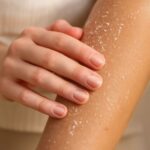
A milk allergy triggers an immune response to proteins in cow’s milk, most commonly casein and whey. The skin manifestation typically includes hives (urticaria), red blotchy patches, or eczema-like flares. Milk allergy skin rash pictures show raised red welts, often appearing within minutes to hours of dairy exposure. In infants, the rash frequently appears on the face, neck, and trunk. In older children and adults, it may concentrate in areas prone to eczema. If a milk allergy rash is suspected, an allergist can confirm through skin prick testing or specific IgE blood tests.
Safety note: Any skin change following a new medication, food, or cosmetic ingredient should be documented photographically and reviewed by a healthcare professional if it worsens or persists. Azelaic acid and squalane are generally well tolerated, but individual skin reactions vary. Always patch test new topical products before full application.

Leave a Reply