
Cat Dry Skin: Causes, Signs, and How to Help
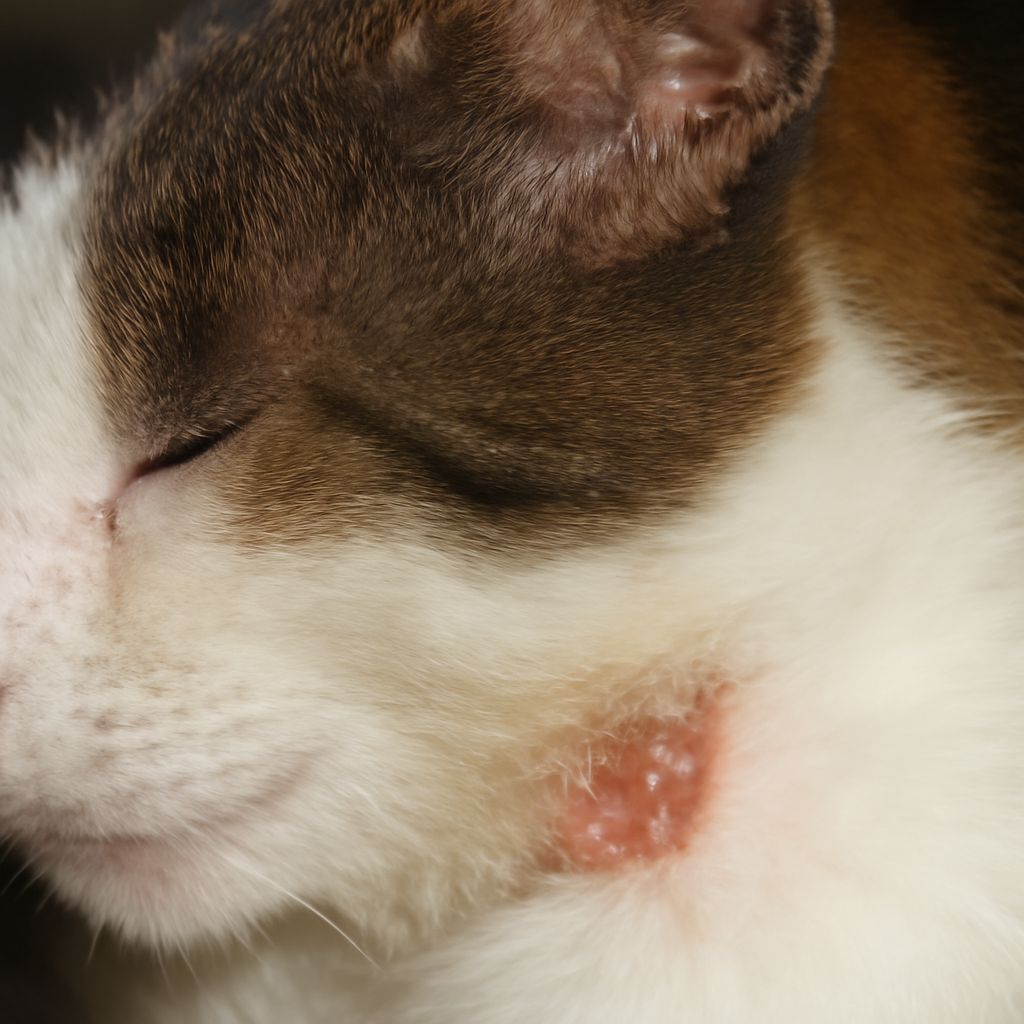
Cat dry skin shows up as flaking, visible dandruff, and increased scratching. A cat has dry skin more often than many owners realize because the dense coat hides early signs until the condition becomes noticeable. A cat with dry skin may also groom excessively as it tries to address the discomfort, which can lead to hair loss or small sores in severe cases. Dry skin in cats is rarely dangerous on its own, but it often signals something in the cat’s environment, diet, or health that needs adjustment.
Dry skin cats experience ranges from mild seasonal dryness to chronic flaking from an underlying condition. The approach to helping your cat depends on identifying which category applies. For many cats, simple changes to diet, grooming, and environment resolve the issue. For others, a veterinary evaluation finds a treatable underlying cause.
What Causes Cat Dry Skin?
Dry skin in cats has several common causes:
- Low-quality diet: Insufficient omega fatty acids in the diet leave the skin barrier weak and prone to flaking. Cats fed exclusively dry kibble of lower nutritional quality are particularly susceptible.
- Low humidity: Indoor heating during winter reduces ambient moisture. Cats, especially those that sleep near vents or radiators, lose skin moisture more quickly.
- Dehydration: Cats that do not drink enough water have drier skin. Many cats prefer moving water to still water in a bowl.
- Obesity: Overweight cats cannot reach all areas to groom themselves. Dead skin accumulates in areas they cannot access, particularly along the spine.
- Aging: Older cats tend to groom less effectively and may have reduced skin oil production.
- Underlying health conditions: Hyperthyroidism, diabetes, kidney disease, and ringworm can all cause or contribute to dry, flaky skin in cats.
Signs of Dry Skin in Cats
Visible white or grey flakes throughout the coat are the most obvious sign. A cat has dry skin if you also notice:
- Increased scratching or biting at the skin
- A dull, brittle, or roughened coat
- Small crusty flakes at the base of the tail or along the back
- Excessive grooming of specific areas
If any of these signs are accompanied by hair loss, redness, or an unusual odor, the issue may be more than simple dryness.
Home Care for Cat with Dry Skin
Several adjustments often resolve mild dry skin in cats without veterinary intervention:
- Improve the diet: Switch to a higher-quality food with a named protein source and adequate fat content. Adding a small amount of fish oil appropriate for cats improves skin barrier function within a few weeks.
- Add a water fountain: Cats drink more from moving water. Increased hydration improves skin moisture from within.
- Increase wet food: Even partial replacement of dry food with wet food improves daily water intake.
- Run a humidifier: Particularly helpful in winter months, a humidifier in the cat’s resting area reduces environmental skin drying.
- Brush regularly: Gentle brushing distributes skin oils and removes accumulated dead skin cells before they build up as visible flakes.
What Not to Apply to a Cat with Dry Skin
Never apply human moisturizers, coconut oil in large amounts, tea tree oil, or any essential oil to a cat’s skin without veterinary guidance. Many of these are toxic to cats when licked during grooming. Cats are highly sensitive to many ingredients that are safe for dogs and humans. Only apply cat-specific products and confirm ingredients are feline-safe before use.
When to Visit a Veterinarian
A vet visit is warranted when dry skin cats experience does not improve after three to four weeks of dietary and environmental changes, or when symptoms worsen. Signs that warrant prompt professional attention include rapid hair loss, open sores, skin that looks infected, or behavioral changes accompanying the skin issue.
Bottom line: Cat dry skin is common and often manageable at home with dietary improvement and environmental adjustments. A cat has dry skin most often because of diet or humidity issues, and these are straightforward to address. Persistent or worsening skin problems in cats need veterinary evaluation to rule out systemic causes.





Leave a Reply