
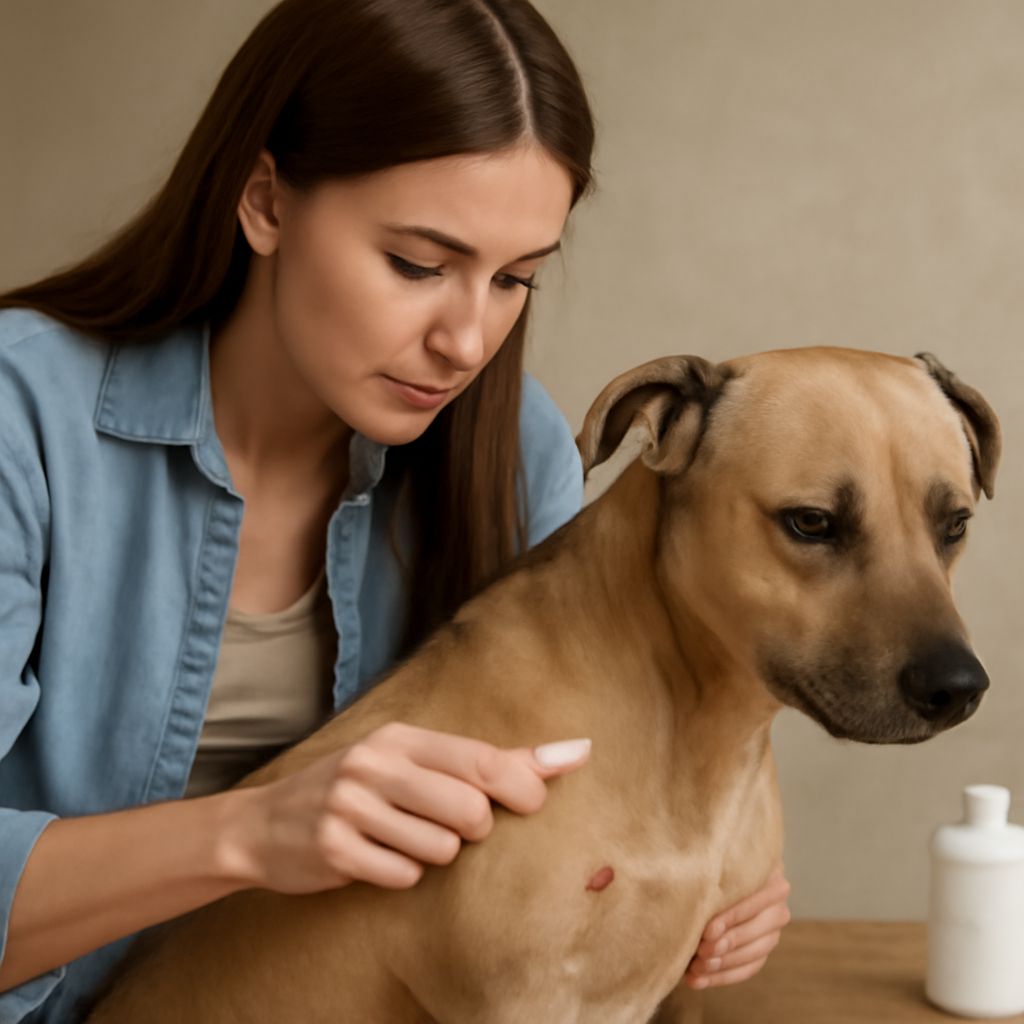
Dog Skin Infection Treatment: Scabs, Ulcers, and Hydrogen Peroxide
Dog skin infection treatment depends on the type and severity of the infection, whether bacterial, fungal, or yeast-based. A skin ulcer on dog tissue requires prompt attention because open wounds are entry points for secondary infections and can deepen rapidly without care. Dog skin scabs are common and often indicate a healing wound or mild infection, but persistent or expanding scabs warrant veterinary evaluation.
Hydrogen peroxide for dog skin infection is a topic that comes up frequently in home care discussions. Dog skin yeast infection hydrogen peroxide is also sometimes suggested online. This guide covers which treatments actually help, when professional care is necessary, and what to avoid when treating dog skin problems at home.
Types of Dog Skin Infections That Need Treatment
Several distinct infection types affect dog skin.
Bacterial Infections (Pyoderma)
Bacterial skin infections in dogs most commonly involve Staphylococcus pseudintermedius. They appear as red bumps, pustules, or crusty lesions and often follow an underlying trigger like allergies or injury. Superficial pyoderma affects the upper layers of skin. Deep pyoderma penetrates deeper and causes more severe symptoms including swelling and pain.
Yeast Infections (Malassezia)
Yeast infections produce a characteristic musty smell, greasy or waxy skin, and intense itching. They commonly affect the ears, paws, skin folds, and underside of the body. Yeast infections rarely resolve without antifungal treatment.
Skin Ulcers
A skin ulcer on dog skin is an open wound where the skin surface has broken down, exposing underlying tissue. Ulcers require veterinary attention because they can deepen, become infected with multiple organisms, and heal slowly without proper management. Home care alone is usually insufficient for true skin ulcers.
Dog Skin Scabs: When to Act
Dog skin scabs form as part of normal wound healing. Single scabs following a minor injury are not cause for alarm. Multiple scabs, scabs that keep returning in the same location, or scabs that do not heal within one to two weeks deserve attention. Scabs accompanied by redness, swelling, or discharge indicate active infection rather than simple healing. Scratching or chewing at scabs worsens the situation and introduces more bacteria.
Should You Use Hydrogen Peroxide for Dog Skin Infections?
Hydrogen peroxide for dog skin infection has been used as a home remedy, but current veterinary guidance recommends against it. While it does kill some bacteria, it also damages healthy skin cells and tissue at the wound edge, slowing healing and potentially worsening the damage. Dog skin yeast infection hydrogen peroxide is particularly ineffective: yeast infections require antifungal agents, not peroxide. Clean minor wounds with saline solution (mild salt water) or a veterinary-approved wound wash rather than hydrogen peroxide.
Effective Dog Skin Infection Treatment Options
Appropriate treatment depends on the infection type.
Topical Antibacterial and Antifungal Products
Chlorhexidine-based shampoos and sprays are effective against bacterial skin infections and some yeast overgrowth. Ketoconazole or miconazole-containing shampoos target yeast infections specifically. Medicated wipes for skin folds are convenient for maintaining cleanliness in prone areas between baths.
Oral Medications
Moderate to severe bacterial skin infections require oral antibiotics prescribed by a veterinarian. Systemic yeast infections may require oral antifungal medications. Completing the full course of antibiotics is critical: stopping early when symptoms improve leads to recurrence and potential antibiotic resistance.
Wound Care for Skin Ulcers
Skin ulcers need professional cleaning, debridement in some cases, and appropriate dressings. Your veterinarian will advise on the correct wound care protocol for the specific ulcer type. An Elizabethan collar prevents further licking and chewing of the wound, which significantly improves healing time.
When to See a Veterinarian Immediately
Seek veterinary care without delay for any open skin ulcer, rapidly spreading infection, wounds that smell foul, lesions involving the eye area, or skin problems accompanied by fever, lethargy, or loss of appetite. These indicate serious infection that requires prescription treatment.
Bottom line: Dog skin infection treatment is most effective when the infection type is identified correctly. Avoid hydrogen peroxide for dog skin infections and yeast infections, where it causes tissue damage without addressing the pathogen. Safe topical care and veterinary-prescribed treatment resolve most dog skin scabs and infections effectively when started early.




Leave a Reply