
Best Concealer Drugstore: How to Find Full Coverage on a Budget
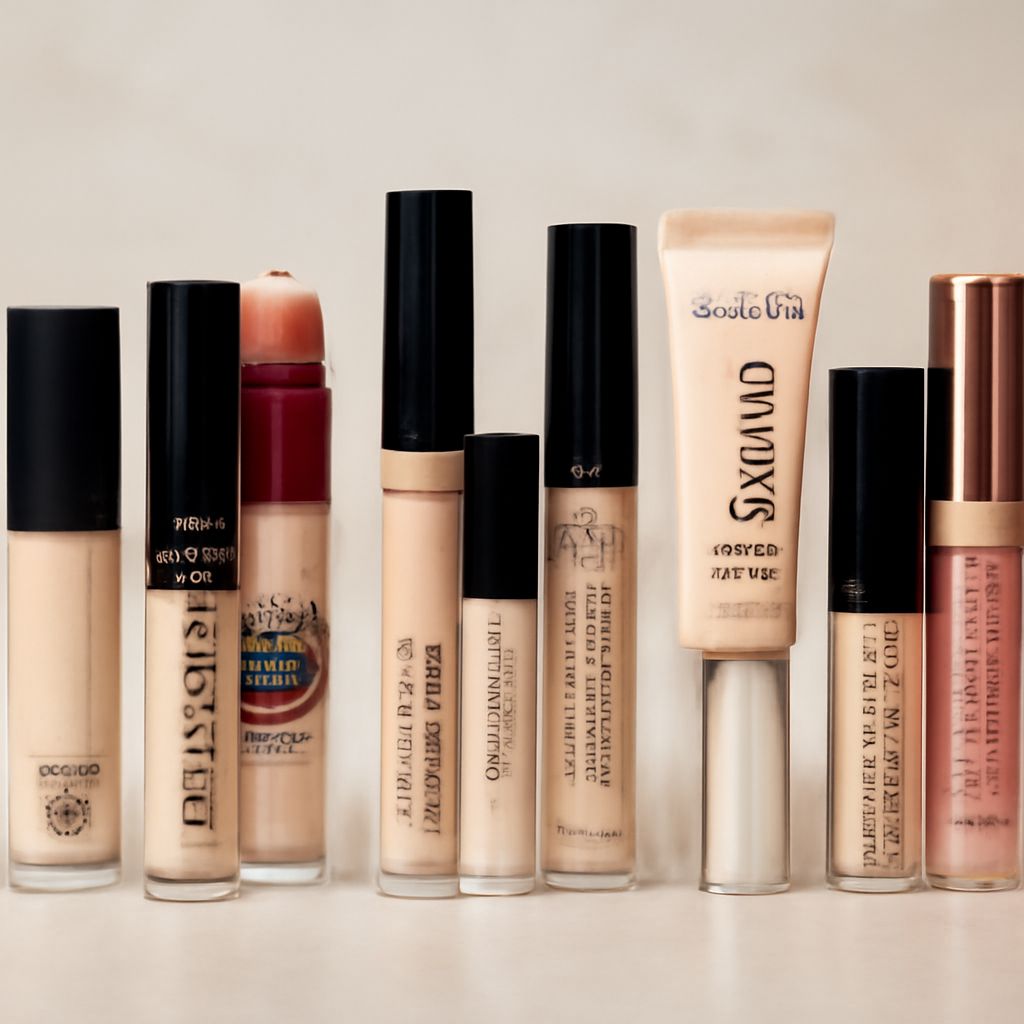
Finding the best concealer drugstore has to offer requires knowing what to look for beyond price. Drugstore concealers now cover dark circles, blemishes, and discoloration as effectively as many high-end options. A full coverage drugstore concealer with a hydrating formula prevents the creasing and caking that used to be the main drawbacks of budget options. Concealer drugstore availability means you can swatch and test in-store before buying, which is an advantage many online-only products cannot match.
The range of options when looking for a good drugstore concealer can be overwhelming. Different formulas suit different concerns: a thick full-coverage option works for blemishes, while a lighter, brightening formula works better for undereye circles. The best drugstore concealer for oily skin includes oil-free or matte-finish options that prevent slipping throughout the day. This guide breaks down what to look for and how to apply it well.
Full Coverage Drugstore Concealer: What to Look For
Full coverage means the concealer provides enough pigment to conceal discoloration, redness, or dark spots without requiring multiple layers. Key factors include:
Consistency and Texture
A thicker, more opaque consistency provides better coverage. Liquid concealers with a dense formula cover blemishes without tugging. Avoid watery or very sheer concealers when coverage is the goal. Cream concealers in a pot offer maximum coverage and suit both blemishes and body use.
Finish
Matte finishes suit blemishes and oily skin. Satin finishes suit undereye areas where matte can look flat and dry. Many people use different concealers for different zones: a matte formula on blemishes and a more luminous formula under the eyes.
Shade Range
A good drugstore concealer comes in enough shades to match a range of skin tones and undertones. Look for brands that offer both warm, cool, and neutral undertone options within their range. The wrong undertone, even in the right depth, will make concealer look ashy, orange, or pink rather than natural.
Best Drugstore Concealer for Oily Skin
For oily skin, the priorities shift toward staying power and oil resistance.
Oil-Free Formulas
Oil-free concealers use water or silicone as their base rather than emollient oils. They tend to set faster and hold better on skin that produces excess sebum. Look for “oil-free” or “non-comedogenic” on the label if oily skin is your primary concern.
Setting Is Essential
Even the best drugstore concealer for oily skin benefits from being set with a loose or pressed powder. Powder locks in the concealer and reduces oxidation, which causes many concealers to shift darker or orangey over the course of the day. A light dusting of translucent or color-matching powder pressed gently over concealer dramatically extends wear time.
Application Techniques for Better Results
Even a full coverage drugstore concealer performs differently depending on how it is applied.
Use a Damp Sponge for Undereyes
Tapping concealer with a damp beauty sponge creates a more natural, skin-like finish under the eyes than brushing or finger application alone. The slight moisture in the sponge prevents the product from looking heavy or sitting in fine lines.
Apply Foundation First
Apply foundation before concealer. This reduces how much concealer you need, which means less product and less likelihood of creasing. Concealer applied over foundation covers only the remaining imperfections rather than trying to do the entire job alone.
Common Mistakes to Avoid
Choosing a concealer one or two shades lighter than your foundation for undereyes can look unnatural and actually highlight puffiness. Matching concealer to your foundation shade or going only one shade lighter is more flattering in most cases. Applying too much product in a single layer causes creasing. Thin layers work better than one thick application.
Safety note: If you have sensitive skin or are prone to contact dermatitis, check concealer ingredient lists for common irritants like fragrance and certain preservatives. Patch testing a new concealer on the inside of the wrist or jawline before full-face use reduces the chance of a reaction.


Leave a Reply