
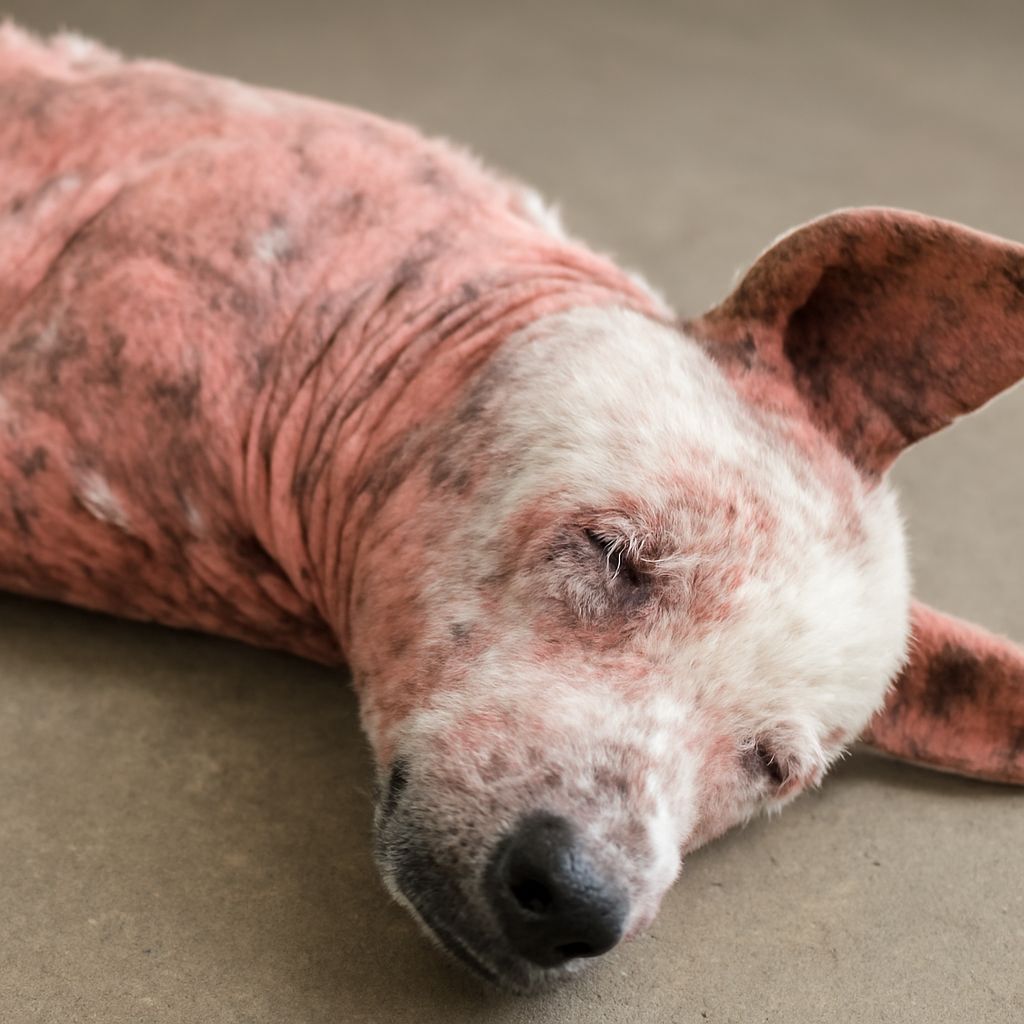
Skin Infection in Dogs: Signs, Causes, and Treatment
A skin infection in dogs is one of the more common reasons pet owners bring their animals to the vet. Dogs are prone to bacterial, fungal, and yeast infections of the skin, particularly in warm, moist areas like skin folds, ears, and paws. Bacterial skin infection in dogs often develops as a secondary problem when the skin barrier is already compromised by allergies, parasites, or repeated scratching.
Dog bacterial skin infection typically causes redness, crusting, small pus-filled bumps, and an unpleasant smell. A dog skin bacterial infection left untreated can spread or deepen, causing more discomfort and requiring more intensive treatment. Understanding canine skin infection, its triggers, and its management helps you act quickly when you spot early signs.
Types of Skin Infections in Dogs
Different organisms cause different types of skin infections in dogs.
Bacterial Pyoderma
Pyoderma is the term for bacterial skin infection in dogs. It can be superficial, affecting only the outer layers of skin, or deep, penetrating the dermis. Superficial pyoderma often looks like small, raised bumps that may rupture and crust over. Deep pyoderma causes more severe lesions, swelling, and pain.
Fungal Infections
Ringworm (dermatophytosis) and yeast infections (Malassezia) are the two most common fungal skin issues in dogs. Ringworm causes circular, scaly patches with hair loss. Yeast infections typically occur in moist areas and produce a musty smell, greasy skin, and intense itching.
Staphylococcal Infections
Staphylococcus pseudintermedius is the bacterium most frequently responsible for canine skin infection. It is a normal resident of dog skin but causes infection when the skin barrier breaks down. Skin folds, paws, and the underside of the body are the most affected areas.
Causes and Risk Factors
Healthy dog skin has natural defenses that prevent infection. These defenses break down under certain conditions.
Allergies as a Primary Driver
Environmental allergies and food allergies are the most common underlying causes of bacterial skin infection in dogs. Allergies cause chronic itching, which leads to scratching, which breaks the skin and allows bacteria to colonize. Treating the underlying allergy is often necessary to prevent recurring infections.
Hormonal Conditions
Hypothyroidism and Cushing’s disease impair the immune response and alter the skin’s barrier function. Dogs with these conditions frequently develop recurrent dog skin bacterial infections even with appropriate antibiotic treatment.
Moisture and Anatomy
Breeds with deep skin folds, like bulldogs and shar-peis, trap moisture against the skin. This warm, moist environment allows bacteria and yeast to multiply. Regular cleaning and drying of skin folds helps prevent infection in these breeds.
Diagnosis
A veterinarian diagnoses skin infections through physical examination, cytology (microscopic evaluation of skin cells or discharge), skin cultures to identify the specific organism, and sometimes skin biopsies for complex or chronic cases. Identifying whether the infection is bacterial, fungal, or yeast-based determines the appropriate treatment.
Treatment Options
Treatment depends on the type, location, and severity of the infection.
Topical Antibiotics and Antifungals
Medicated shampoos containing chlorhexidine or miconazole are first-line treatments for many surface-level canine skin infections. They should be used two to three times per week and left on the skin for 5 to 10 minutes before rinsing.
Oral Medications
Moderate to severe bacterial skin infections in dogs typically require oral antibiotics. Treatment courses run three to six weeks or longer for deep infections. Stopping antibiotics early, even when the dog looks better, increases the risk of recurrence and antibiotic resistance.
Addressing Underlying Causes
Managing allergies through dietary changes, allergy medications, or immunotherapy reduces the frequency of recurrence. Treating hormonal disorders resolves many cases of chronic skin infection.
Prevention
Regular bathing with appropriate dog-safe shampoos, keeping skin folds clean and dry, controlling parasites, and addressing allergies promptly all reduce the likelihood of skin infection. Dogs with known susceptibility benefit from routine veterinary skin checks.
Bottom line: Skin infection in dogs is treatable, but recurrence is common without addressing the root cause. A dog bacterial skin infection responds well to appropriate topical and oral treatment. Work with your veterinarian to identify and manage underlying triggers for lasting results.





Leave a Reply