Balayage vs Ombre: Key Differences, Looks, and Which to Choose
Choosing between balayage vs ombre can feel confusing when both techniques involve transitioning color through the hair. The difference comes down to how the color is applied and the final effect it creates. Understanding ombre vs balayage helps you walk into the salon knowing exactly what to ask for and what outcome to expect.
The difference between balayage and ombre is more than just terminology. Balayage is a freehand painting method that creates soft, blended highlights. Ombre is a structured gradient that shifts from dark roots to lighter ends. Whether you choose balayage or ombre depends on your lifestyle, maintenance schedule, and the look you want. Knowing what is the difference between balayage and ombre helps you make a confident choice.
What Is Balayage?
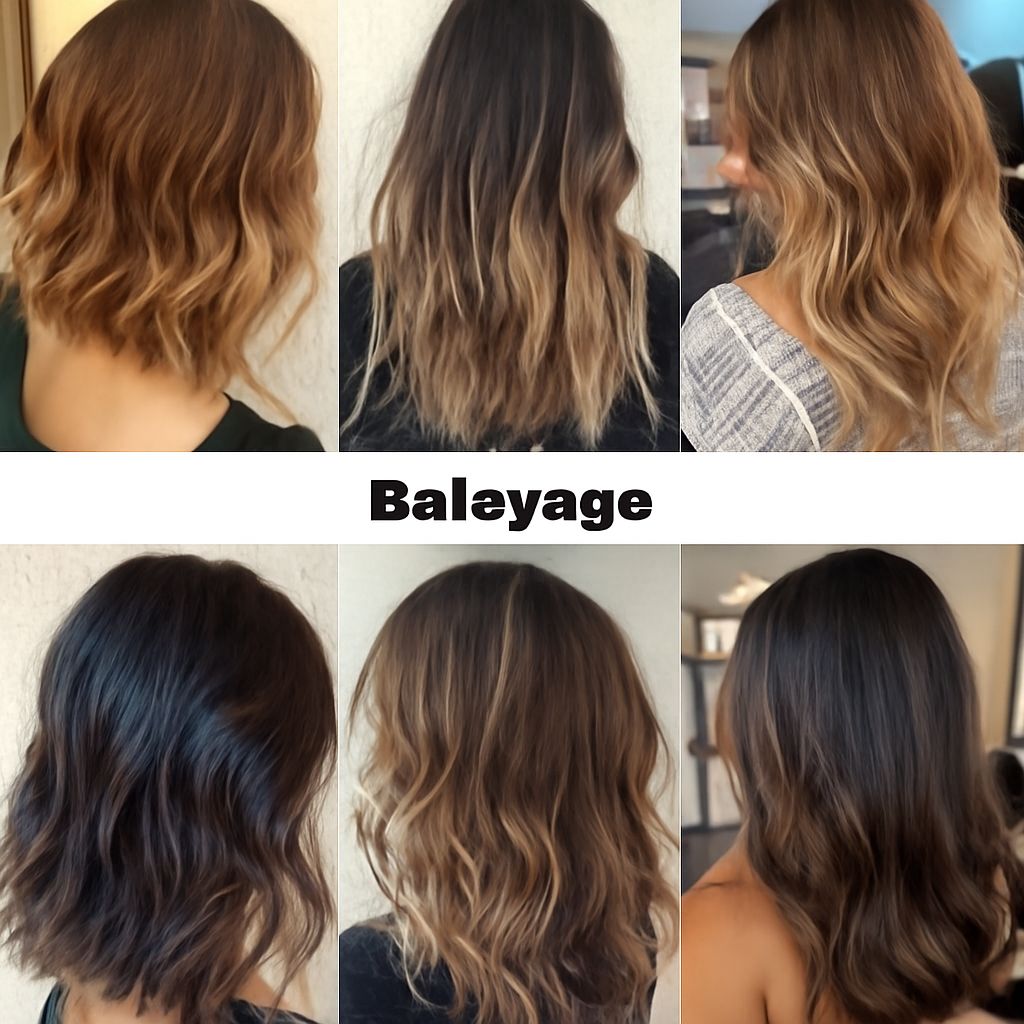
Balayage comes from the French word for sweeping. A colorist paints lightener or color directly onto sections of hair using a sweeping motion, without foils. The placement is intentional but freehand, which gives the result a natural, sun-kissed look. Because highlights are concentrated mid-shaft to the ends, roots grow out gradually without a hard line. This makes balayage a lower-maintenance option that typically needs refreshing every three to four months.
What Is Ombre?
Ombre creates a clear transition from a darker shade at the roots to a lighter shade at the tips. The gradient is more structured than a balayage result, with a visible shift between color zones. Traditional ombre uses a horizontal blend point, often placed at ear level or lower. The technique has evolved into softer versions like sombre (soft ombre), but the defining characteristic remains a deliberate, gradient-style color shift across the length of the hair.
How Are the Techniques Applied?
Balayage is a technique, not a color result. The colorist applies product freehand onto dry or damp hair, selecting face-framing pieces and sections throughout the mid-lengths. No foils are used, allowing the lightener to process in open air for a softer lift. Ombre can be achieved through several methods, including backcombing, foils placed horizontally, or blending with a brush. The goal with ombre application is always a defined transition zone that reads clearly from dark to light.
Visual Difference: How Each Look Reads
Balayage results look natural and dimensional. The variation between highlighted and non-highlighted sections mimics the way sun naturally lightens hair over time. Ombre results are bolder and more graphic. The contrast between the dark upper section and the lighter lower half makes a clear style statement. Balayage suits people who want subtle color with low upkeep. Ombre works well for those who want noticeable color contrast with a structured finish.
Maintenance and Upkeep Compared
Balayage grows out gracefully because there is no distinct root line. Most people return to the salon every three to five months for a refresh or toning treatment. Ombre requires similar timing for color maintenance, but the regrowth can look more intentional since the dark root is part of the style. Both techniques benefit from color-safe shampoo and regular deep conditioning to preserve the vibrancy and health of chemically treated hair. Use heat protectant before styling tools to minimize damage to lightened sections.
Cost and Time in the Salon
Both techniques take time. Balayage appointments typically run two to three hours depending on hair length and thickness. Ombre can take a similar amount of time when blending is done carefully. Pricing varies by salon and location, but both balayage and ombre are usually priced as specialty color services above a basic single-process color. Ask your colorist for a consultation before booking to get an accurate estimate for your specific hair.
Which Should You Choose?
If you want something natural with soft color movement, balayage is the better fit. It ages well, grows out without obvious regrowth lines, and works on most hair types and base colors. If you want a clear, dramatic shift from dark to light, ombre delivers that graphic contrast. It suits people who enjoy a defined color statement and are comfortable with the structured gradient. Both techniques look best when done by a skilled colorist who can tailor the placement and tone to your hair and skin color.
Key takeaways: Balayage is a freehand technique that creates natural-looking, low-maintenance highlights. Ombre is a gradient that shifts clearly from dark roots to light ends. Your choice between balayage or ombre comes down to how bold you want the contrast and how much upkeep you want to do.




Leave a Reply