
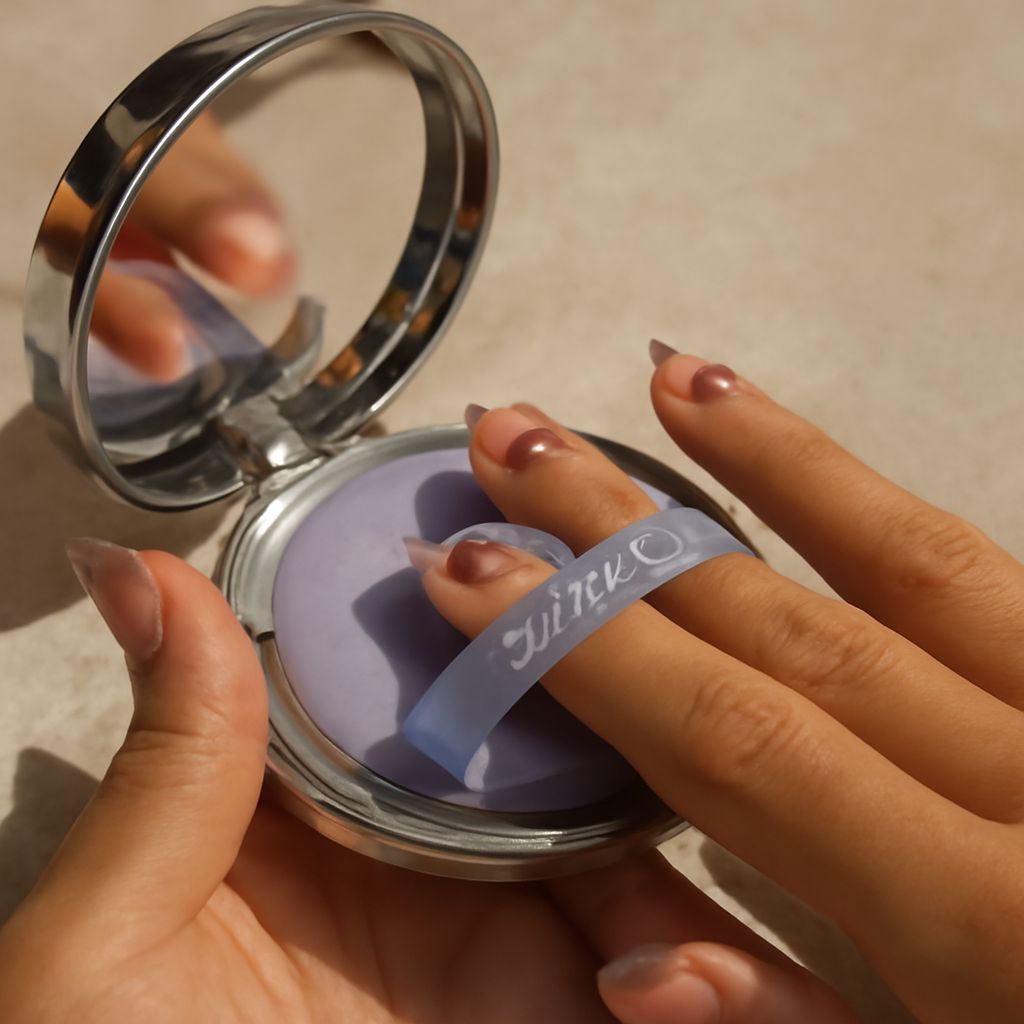
Setting Powder for Oily Skin: How to Control Shine All Day
Finding the right setting powder for oily skin makes the difference between a look that lasts and one that melts by noon. Excess sebum breaks down foundation and concealer, leaving you shiny and patchy within hours. The best setting powder for oily skin absorbs oil without caking, extending your makeup while keeping skin looking smooth.
The market has no shortage of options, from best translucent powder for oily skin picks that work on every shade to best drugstore setting powder for oily skin formulas that cost under $15. Whether you need a splurge or a practical everyday option, the best drugstore powder for oily skin can match salon-quality results. This guide walks through what to look for and how to use it effectively.
What to Look for in a Setting Powder for Oily Skin
Not every powder controls oil the same way. Focus on a few key factors.
Talc-Based vs. Talc-Free Formulas
Talc is a classic oil-absorbing ingredient and works reliably. Talc-free alternatives use silica, rice starch, or cornstarch. Both can perform well. If your skin is sensitive or you prefer a cleaner formula, look for silica-based options.
Coverage Level
Translucent powders add little to no visible coverage but lock in whatever is underneath. Tinted options add a slight tone-evening effect. If you want pure oil control without altering your base, translucent is the safer pick.
Finish: Matte vs. Micro-Fine
A full matte powder gives maximum shine control. Micro-fine powders create a softer finish that still reduces oil without a flat or powdery look on skin. Either can work well depending on how oily your skin is throughout the day.
Best Setting Powder Ingredients for Oil Control
Silica microspheres absorb sebum and blur pores simultaneously. Kaolin clay mattifies without over-drying. Rice powder softens texture and photographs well. Avoid powders with heavy waxes or occlusive agents near the top of the ingredient list, as these can trap oil rather than absorbing it.
Silica and Microspheres
Silica is the gold standard for oil absorption in setting powders. Spherical silica particles physically absorb sebum and scatter light to minimize the appearance of pores.
Rice and Cornstarch Options
Natural starches offer lighter absorption and suit combination skin as well as fully oily skin. They can feel less dry on the face than talc-heavy formulas.
How to Apply Setting Powder Correctly
The right technique matters as much as the formula.
Press, Don’t Swipe
Use a fluffy brush or powder puff and press the product into skin rather than sweeping it across. Sweeping can disturb your base. Pressing locks everything in place without shifting coverage.
Baking Technique for Extra Wear
Apply a generous amount to high-oil zones like the T-zone and under the eyes, let it sit for 5 to 10 minutes, then dust away the excess. This extends wear significantly in areas prone to oil buildup.
Touch-Ups Throughout the Day
Keep a pressed powder compact for midday touch-ups. After blotting excess oil with blotting papers, a light press of powder over the T-zone restores the matte finish without piling on product.
Top Drugstore and Mid-Range Picks
Several widely available options consistently perform for oily skin types. Loose translucent powders from the drugstore often contain the same silica technology found in luxury versions. Key qualities to compare: how finely milled the powder is, how much oil it absorbs per hour, and whether the finish photographs naturally or looks flashback-prone under flash photography.
Common Setting Powder Mistakes
Applying too much powder creates a cakey appearance and emphasizes texture. Applying it on top of accumulated oil rather than blotting first reduces its effectiveness. Using a powder formulated for dry skin, which often contains moisturizing agents, can make oily skin worse. Always check the formula is designed for oil control before purchasing.
Safety Note
If your skin reacts with clogged pores or breakouts after using a new setting powder, discontinue use and check the ingredient list for comedogenic materials. Patch testing on a small area before full application is a reliable way to avoid unexpected skin reactions.
Pro tips recap: Press setting powder rather than sweeping it on. Choose silica or talc-based formulas for strong oil control. Blot first, then powder for touch-ups. The best setting powder for oily skin is the one you apply consistently and correctly.



Leave a Reply