
Best Setting Spray for Oily Skin: What to Look For and How to Use It
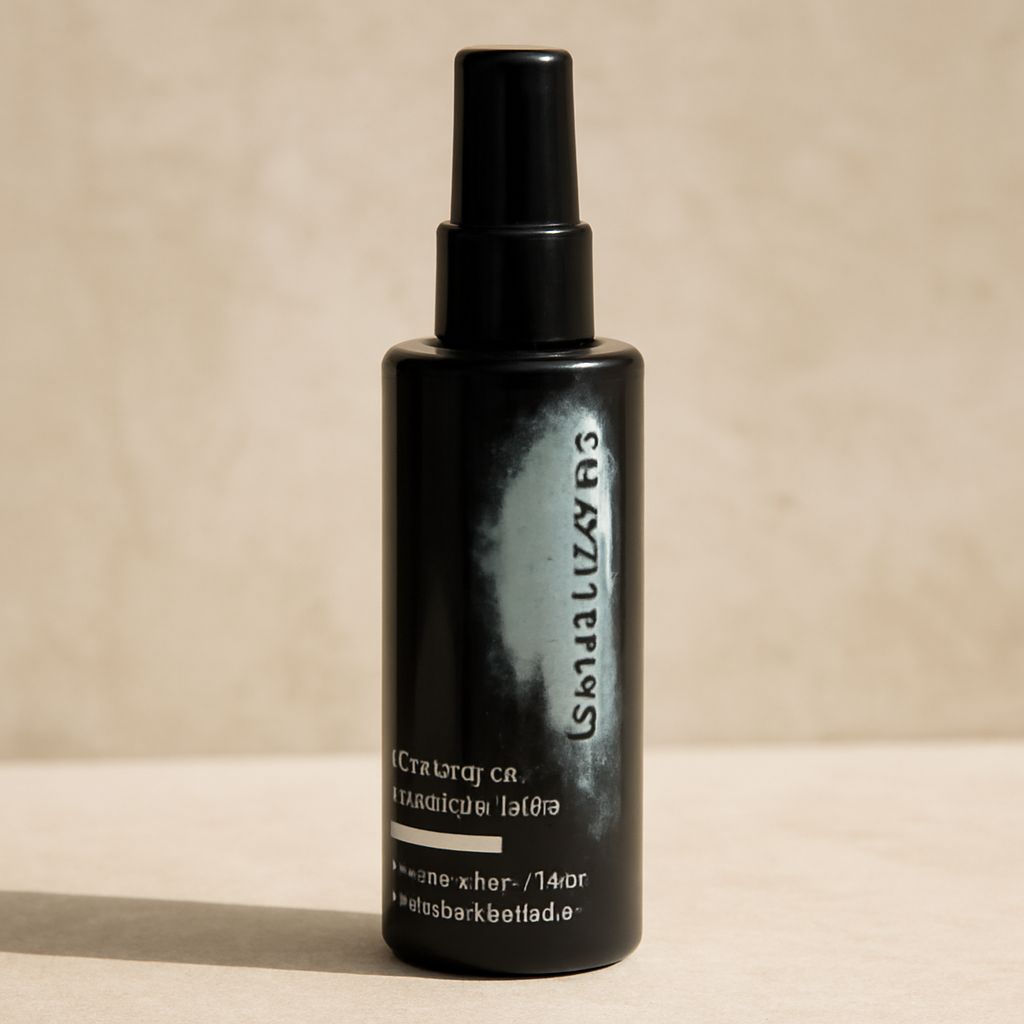
A setting spray for oily skin can be the difference between makeup that lasts all day and a face that turns shiny by noon. The best setting spray for oily skin does more than lock in products — it controls sebum production and reduces the greasy appearance that oily skin types deal with through the day. Not all makeup setting sprays for oily skin work the same way, and what counts as the best makeup setting spray for oily skin depends on your finish preference and how much oil you produce. The best setting sprays for oily skin share a few key ingredients and formulation traits that separate them from general-purpose sprays.
Here’s what to look for, how to apply it, and which product features actually matter.
What Ingredients Should a Setting Spray for Oily Skin Have?
Read the ingredient list rather than relying solely on marketing language. Effective setting sprays for oily skin typically contain:
- Alcohol (isopropyl or ethanol): Evaporates quickly and helps control shine. Higher concentrations set makeup firmly but can be drying if overused. Look for it in the middle of the ingredient list, not the top.
- Dimethicone or cyclomethicone: Creates a light film that blurs pores and keeps a matte finish.
- Kaolin clay: Absorbs excess oil. Found in some powder-infused setting sprays.
- Niacinamide: Helps regulate sebum production over time with repeated use.
- Witch hazel: Tones and minimizes pore appearance temporarily.
Avoid setting sprays with heavy emollients (cetyl alcohol, mineral oil) — these add back oils you’re trying to control. Fragrance-heavy formulas can irritate skin and cause rebound oiliness.
How Do You Apply Setting Spray Correctly?
Most people spray setting spray incorrectly and then wonder why it doesn’t work well. The standard technique:
- Hold the bottle 8–12 inches from your face — not right up against it.
- Spray in an “X” pattern (diagonal from top-left to bottom-right, then top-right to bottom-left) followed by a “T” across the forehead and nose.
- Let it dry completely — at least 30–60 seconds. Don’t blot, fan, or touch your face.
- For maximum longevity, apply in two light layers rather than one heavy coat.
For the best makeup setting spray for oily skin performance, apply at the very end of your makeup routine. Some people also use it mid-routine (after foundation and concealer, before powder) as a technique to melt products together and add extra wear time.
Should You Use a Setting Spray with a Primer?
Yes — and the combination is more effective than either product alone for oily skin. Use a mattifying, pore-minimizing primer before foundation to control the base-level oiliness. Then use a setting spray as the final step to lock everything in place.
Some people use setting spray in place of a primer by misting their bare skin (or after moisturizer) before foundation — this hydrates the skin and helps foundation adhere without adding a thick primer layer. This technique works reasonably well but primer and setting spray serve different functions and aren’t true substitutes for each other.
How Do You Use Setting Spray for Mid-Day Touch-Ups?
Setting sprays excel at mid-day refreshing for oily skin types:
- Blot excess oil first using a blotting paper — don’t add product over oil or it will streak.
- If needed, lightly press a translucent setting powder over the oiliest areas (T-zone, chin).
- Mist 2–3 sprays of setting spray from 10 inches away.
- Let dry without touching.
Carrying your setting spray in a bag and refreshing around midday adds 4–6 hours of wear in many cases. For very active days or hot weather, this step becomes essential.
What Mistakes Reduce Setting Spray Effectiveness?
Common errors that undermine even the best setting sprays for oily skin:
- Applying too close: Oversaturation causes makeup to move and streak. Distance matters.
- Not waiting for makeup to dry: Applying setting spray over wet or tacky foundation leads to pilling or moving makeup.
- Using the wrong formula for your climate: Very humid environments benefit from stronger hold formulas; dry environments can use lighter sprays without drying out skin.
- Skipping moisturizer: Oily skin still needs hydration. Skipping it causes the skin to produce more oil. Use an oil-free, gel moisturizer before makeup.
- Shaking the bottle: Most setting sprays are designed to mist smoothly. Shaking introduces air bubbles that cause uneven spray.
Safety recap: If you experience breakouts after starting a new setting spray, check the ingredient list for comedogenic oils or fragrance — these are the most common culprits. Patch test a new setting spray on your inner arm for 24 hours before full face use if your skin tends to react to new products.



Leave a Reply