
Face Mapping Acne: What Your Breakout Location Is Telling You
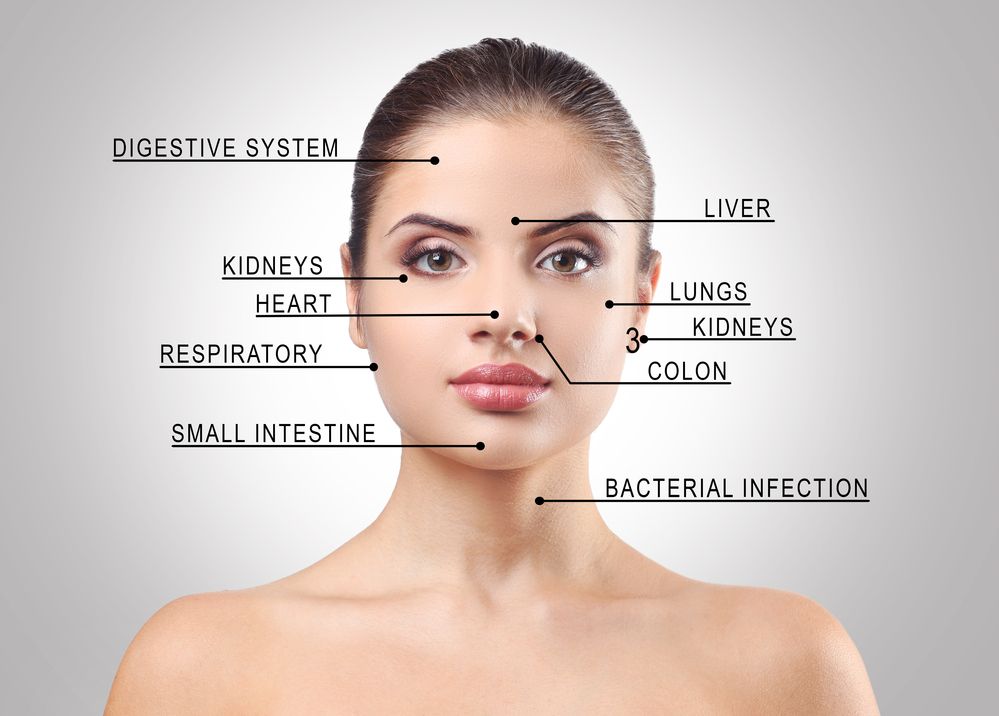
Face mapping acne is an approach that links where you break out on your face to potential underlying causes. An acne map face chart from traditional Chinese medicine (TCM) connects specific zones to organs, but modern dermatology offers a more practical version based on skin biology and lifestyle factors. Acne face mapping isn’t a diagnostic tool — but it can help you spot patterns. Facial mapping acne concepts give you a starting point to investigate what’s driving your breakouts. If you’ve been puzzled by acne on face map zones like the jawline or forehead, here’s what the research actually supports.
This guide covers face-mapping zones, what each area can indicate, and what you can actually do about it.
What Is Face Mapping for Acne?
Traditional acne face mapping comes from Chinese medicine’s concept that facial zones mirror internal organs — forehead to the bladder, nose to the heart, and so on. Modern dermatology doesn’t validate these organ connections. What dermatologists do recognize is that different facial zones have distinct skin properties that explain why certain acne triggers show up in specific areas.
The practical version of face mapping acne focuses on:
- Hormonal influences (jawline and chin)
- Oil gland density (T-zone)
- External contact and friction (cheeks)
- Digestive or stress-related skin changes (forehead, temples)
Think of facial mapping acne as pattern recognition, not diagnosis. If the same zone keeps breaking out despite good skincare, it’s a prompt to look at what that zone’s pattern might reveal.
What Causes Acne on the Forehead?
Forehead acne is extremely common, particularly in teens and young adults, and usually traces to these sources:
Hair Products
Pomades, heavy conditioners, and styling oils migrate from hair onto the forehead skin, clogging pores. This is called “pomade acne” and typically appears as small, dense comedones right along the hairline. Switch to non-comedogenic styling products and wash your face after applying hair products.
Bangs and Hats
Anything that traps heat and oil against the forehead contributes to breakouts. Tight hat bands, helmets, and hair covering the forehead all worsen clogged pores through friction and occlusion.
Digestive and Stress Connections
TCM maps the forehead to digestion, and while that specific claim isn’t scientifically proven, stress hormones (cortisol) do increase sebum production across the face, with the forehead often showing it first. Consistent forehead-only acne alongside high stress periods is worth noting.
What Does Chin and Jaw Acne Mean?
Chin and jawline acne is the strongest real-world application of acne face mapping. This zone is hormonally driven in a way that dermatologists fully recognize.
Breakouts here correlate with:
- Menstrual cycle: Androgen levels peak in the days before menstruation, stimulating sebum glands along the jaw and chin. If your breakouts appear 1–2 weeks before your period and clear after it, hormones are the driver.
- Polycystic ovary syndrome (PCOS): Persistent cystic acne along the lower jaw, particularly combined with irregular periods, is a common PCOS symptom worth discussing with a gynecologist.
- Dietary triggers: High glycemic foods and dairy have some evidence for worsening acne, and anecdotally many people with jaw acne notice improvement after reducing these.
- Phone contact: Your phone screen accumulates bacteria and oils. Holding it against your chin and jaw daily transfers these directly to your skin.
Why Do You Break Out on Your Cheeks?
Cheek acne on the acne map face correlates with external contact factors more than internal ones:
- Pillowcases: Sleeping on a pillowcase that holds oils, dead skin cells, and bacteria for days is a direct cause of cheek acne. Change pillowcases 2–3 times per week.
- Phone hygiene: The cheek area where you hold your phone gets constant bacterial transfer. Wipe your phone screen daily with an alcohol wipe.
- Touching your face: Hands carry bacteria and oils constantly. Cheek acne often tracks directly with face-touching habits.
- Respiratory issues: TCM maps cheeks to the lungs, and while this isn’t clinically verified, people who smoke or who breathe heavily polluted air do tend to have skin that shows more inflammation throughout the face.
What Causes Nose and T-Zone Acne?
The T-zone — forehead, nose, and chin — has the highest concentration of sebaceous glands on the face. Nose acne and blackheads here are driven by excess oil production.
- The nose has larger pores than cheeks and forehead, making it more prone to clogged pores and blackheads.
- Diet, particularly high-fat and high-sugar foods, can worsen T-zone oiliness by driving insulin spikes that stimulate oil glands.
- Comedogenic sunscreens or foundations sit on the nose and bridge, trapping oil.
For T-zone acne: oil-control products with salicylic acid work well. BHA exfoliants penetrate pores and dissolve the debris that causes congestion here.
How Do You Treat Acne by Zone?
Each zone in acne face mapping benefits from slightly different approaches:
- Forehead: Switch to non-comedogenic hair products, wash the hairline thoroughly, and use a salicylic acid toner.
- Chin and jaw: For hormonal acne, a dermatologist can prescribe topical or oral treatments (spironolactone or birth control pills for women). OTC benzoyl peroxide addresses bacterial component.
- Cheeks: Improve phone hygiene, change pillowcases frequently, and stop touching your face. Use a gentle, hydrating cleanser — cheeks dry out more than the T-zone.
- Nose and T-zone: BHA (salicylic acid) cleansers and targeted spot treatments. Avoid heavy, occlusive moisturizers on the nose specifically.
The bottom line: acne on face map zones gives you useful clues, not certainties. Forehead patterns often point to products or stress; jaw patterns point strongly to hormones; cheek patterns point to contact and hygiene. Use these connections to investigate, then bring your observations to a dermatologist if the acne is persistent, cystic, or leaving scars.





Leave a Reply