
Dry Skin on Hands: Causes, Fixes, and When to See a Doctor
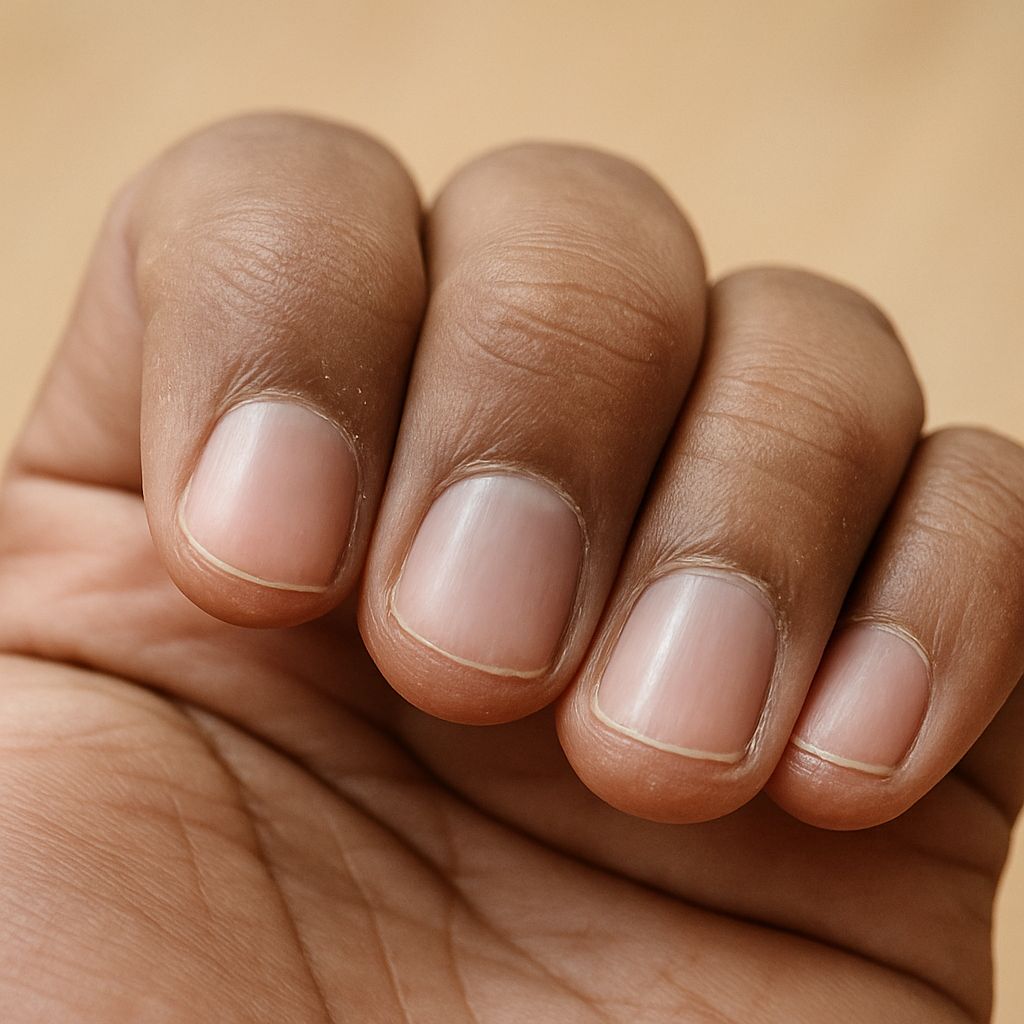
Dry skin on hands is one of the most common skin complaints, especially during colder months. Cracked skin on hands can range from slightly rough patches to painful fissures that bleed. Dry skin on knuckles is particularly stubborn because those areas flex constantly. Whether you’re dealing with dry cracked skin on hands from overwashing or cracking skin on hands from harsh weather, most cases respond to the right combination of products and habits.
Here’s what causes hand dryness and what actually works to restore soft, comfortable skin.
Why Do Hands Get So Dry and Cracked?
Your hands face more environmental stress than almost any other body part. They’re washed repeatedly, exposed to wind and cold, and come in contact with soaps, cleaning products, and solvents throughout the day.
Overwashing
Frequent handwashing strips away the natural oils that keep skin flexible. Healthcare workers, food service staff, and parents of young children often experience this most severely. Antibacterial soaps are particularly drying because they contain surfactants that disrupt the skin barrier.
Cold, Dry Weather
Low humidity — whether from winter air outdoors or indoor heating — pulls moisture from the skin. Cold temperatures also slow oil gland activity. The combination creates the classic cracked, raw hands of winter.
Contact Irritants
Dish soap, cleaning sprays, hand sanitizer, and even paper contact strip oils from skin with every use. Wearing gloves without a cotton liner traps sweat and further irritates skin.
Skin Conditions
Eczema (atopic dermatitis), psoriasis, and contact dermatitis all cause dryness and cracking on hands. Eczema tends to flare on the knuckles and between fingers. These conditions need targeted treatment beyond regular moisturizer.
What Moisturizers Work Best for Cracked Hands?
The most effective products for cracked skin on hands contain occlusives (to seal in moisture) and humectants (to draw water to the skin).
Ointments and Balms
Petrolatum (Vaseline), lanolin-based balms, and thick aquaphor-style products are the most effective for severely cracked skin. Apply right after washing hands while skin is still slightly damp, then put on thin cotton gloves overnight to maximize absorption.
Thick Creams
Products with urea (10–20%), lactic acid, or glycerin work well for moderate dryness. Urea at higher concentrations (10–25%) actually breaks down thickened, rough skin while hydrating.
Timing Matters
Apply moisturizer within 60 seconds of washing hands — this seals in the water that just penetrated the outer skin layer. Waiting more than a few minutes lets that surface moisture evaporate.
How Do You Treat Dry Skin on Knuckles?
Knuckle skin is especially prone to dryness because it stretches and flexes hundreds of times per day. Cracks here can be slow to heal.
For persistent dry skin on knuckles:
- Apply a urea-based cream (like CeraVe SA Cream or Eucerin Roughness Relief) twice daily.
- Use a thin bandage or finger cot over deeply cracked knuckles at night after applying ointment.
- Avoid peeling or picking at dry skin — it extends healing time and risks infection.
- Keep nails trimmed short; longer nails catch on cracked skin and tear it further.
If knuckle cracking appears red, swollen, or weepy, this may signal eczema or a bacterial infection and needs medical evaluation.
Which Daily Habits Make Hand Dryness Worse?
Several common habits accelerate cracking skin on hands:
- Hot water washing: Lukewarm water cleans just as well without stripping oils.
- Skipping gloves: Wear rubber gloves with cotton liners for dishes and cleaning tasks.
- Alcohol-based sanitizers: These are extremely drying. If you rely on hand sanitizer, follow each use with a dab of moisturizer.
- Rubbing hands dry: Pat dry gently — friction damages already-compromised skin.
- Peeling or picking: Tempting, but it creates micro-tears that allow bacteria in.
Keeping a small tube of hand cream next to every sink in your home makes it easy to moisturize immediately after washing.
When Does Dry Skin on Hands Need Medical Attention?
Most dry cracked skin on hands improves with consistent moisturizing and habit changes within 1–2 weeks. See a dermatologist if:
- Cracks are deep, bleeding, or show signs of infection (pus, increasing redness, warmth)
- Over-the-counter treatments haven’t improved the skin after 4 weeks
- The dryness accompanies blistering, intense itching, or a rash
- You suspect contact dermatitis from a workplace chemical or product
A dermatologist can do a patch test to identify specific allergens and prescribe stronger barrier creams or short-term topical steroids if needed.
Next steps: Start by switching to a fragrance-free, gentle hand soap and applying a thick cream immediately after every wash. Track whether gloves during cleaning tasks reduce flaring. If no improvement after two to three weeks, schedule a dermatology appointment to rule out an underlying condition.




Leave a Reply