
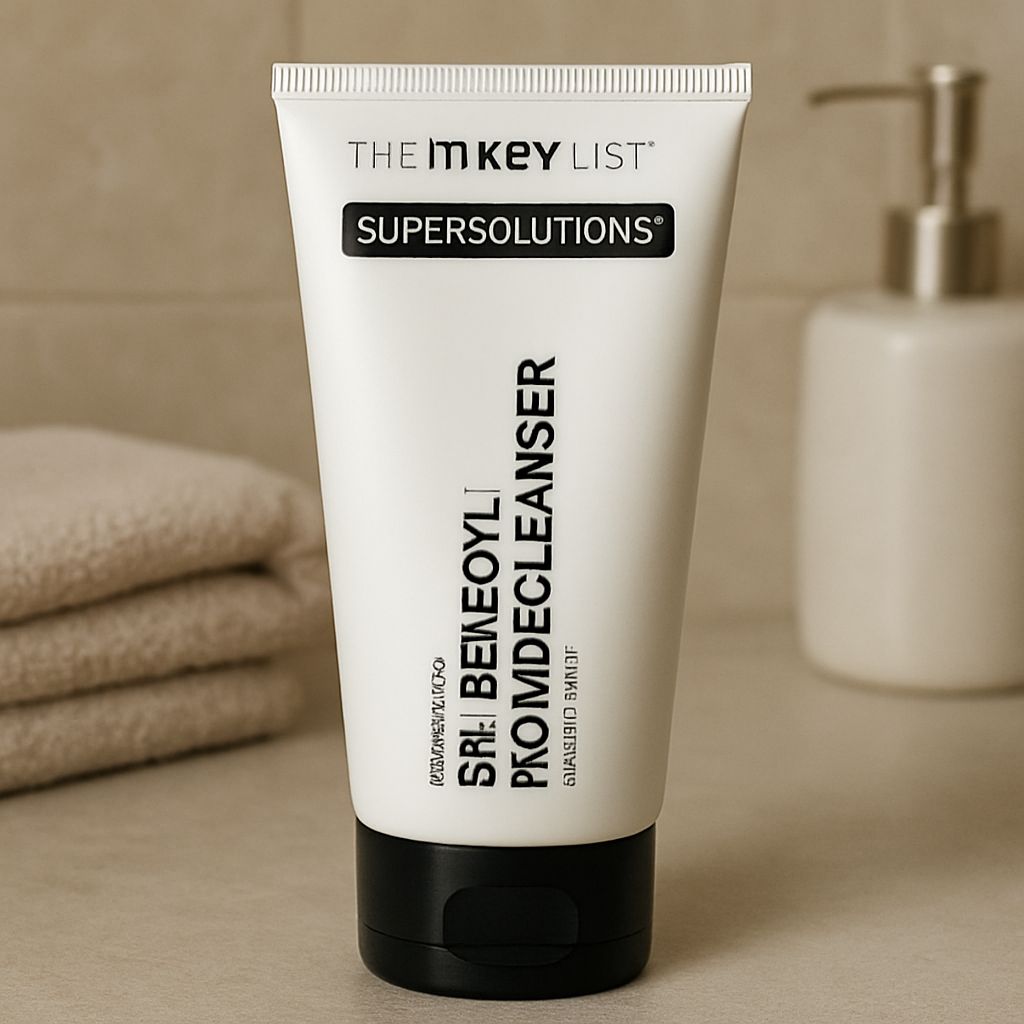
Benzoyl Peroxide Gel Guide: Concentrations, Uses, and How to Apply
Benzoyl peroxide gel is one of the most studied and reliable OTC acne treatments available. It works by releasing oxygen into the follicle, which kills Cutibacterium acnes (the primary acne-causing bacterium) that can’t survive in an oxygen-rich environment. Benzoyl peroxide 5% and benzoyl peroxide 2.5% are the two most commonly recommended concentrations for home use, and knowing which to choose matters — higher concentration doesn’t always mean better results, and it often means more irritation.
The difference between 2.5 benzoyl peroxide and 5% benzoyl peroxide is smaller than most people expect in terms of effectiveness, but significant in terms of side effects. Benzoyl peroxide 2.5% causes less dryness and irritation while delivering very similar antibacterial activity. 5% benzoyl peroxide is appropriate when 2.5% hasn’t produced results after 6–8 weeks of consistent use. Here’s how to choose, apply, and get the most from benzoyl peroxide treatment.
Choosing the Right Concentration
Most dermatologists now recommend starting with benzoyl peroxide 2.5% for new users. This lower concentration is less likely to cause severe dryness, peeling, and redness during the first weeks of use, which is when most people give up on the treatment. Studies comparing 2.5 benzoyl peroxide to higher concentrations show comparable antibacterial efficacy with significantly lower irritation rates.
Move up to benzoyl peroxide 5% after 6–8 weeks if you see no improvement. If 5% benzoyl peroxide is well-tolerated but still insufficient, a dermatologist may prescribe 10% concentration or combination treatments — but 10% significantly increases the risk of bleaching hair, towels, and fabrics on contact.
Benzoyl Peroxide Gel Formulations
Benzoyl peroxide gel is the most common formulation. Gels are water-based or alcohol-based, transparent, and absorb into the skin without leaving heavy residue. Cream formulations are richer and better suited for dry or sensitive skin types. Wash formulations (benzoyl peroxide cleansers) are contact-limited — the active ingredient doesn’t stay on the skin long enough for full efficacy, making them better as supplements to a gel treatment rather than replacements.
For acne spot treatment or all-over face treatment, benzoyl peroxide gel is the recommended format.
How to Apply Benzoyl Peroxide
Starting Out
When beginning benzoyl peroxide 2.5% treatment, apply once every other day for the first two weeks. This allows skin to adapt. After two weeks, move to once daily. If tolerated after another two weeks, a twice-daily application (morning and evening) is appropriate for moderate to severe acne. Don’t rush this step-up — the most common reason benzoyl peroxide treatment fails is irritation leading to discontinuation.
Application Steps
- Wash face with a gentle, non-drying cleanser and pat dry completely
- Wait 15–20 minutes before applying benzoyl peroxide gel — applying to damp skin increases irritation
- Apply a thin layer to affected areas or the full acne-prone zone
- Allow to dry fully before applying moisturizer or sunscreen
Key Precautions
Benzoyl peroxide bleaches fabric on contact — it will permanently discolor towels, pillowcases, and clothing. Use white towels and a white pillowcase when using this treatment. The bleaching effect is nearly immediate and irreversible.
Combining Benzoyl Peroxide with Other Actives
Benzoyl peroxide 5% and 2.5% formulations can be combined with other treatments, with some important rules:
- Works well with: Niacinamide (reduces inflammation), adapalene (retinoid, apply at different times of day), hyaluronic acid (counteracts dryness)
- Avoid combining with: Tretinoin (benzoyl peroxide can oxidize and deactivate it), vitamin C (similarly oxidizes), AHAs/BHAs on the same application
If using adapalene or tretinoin alongside benzoyl peroxide gel, apply the retinoid at night and the benzoyl peroxide in the morning, never simultaneously.
Safety recap: Benzoyl peroxide can cause allergic contact dermatitis in a small percentage of users. Perform a patch test before full-face application — apply a small amount to the inner arm for 48 hours. Discontinue if you develop hives, severe swelling, or significant burning beyond the normal mild tingling. Keep away from eyes, mouth, and broken skin.

Leave a Reply