

Dog Dandruff: Causes, Treatments, and What You Can Do Today
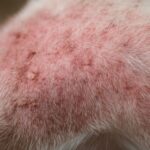
If you’ve noticed white flakes on your dog’s fur or bedding, you’re dealing with dog dandruff — a common but manageable condition. My dog has dry skin and dandruff, and figuring out why took some trial and error. Dandruff on dogs shows up as flaky skin that can range from mild to severe. Dandruff in dogs often points to an underlying issue like diet, grooming habits, or a health condition. Once you know how to treat dog dandruff, relief is usually within reach.
This guide covers the main causes of canine dandruff, how to spot warning signs, and what actually works to clear it up.
What Causes Dandruff in Dogs?
Dog dandruff happens when dead skin cells shed faster than normal. Several things trigger this.
Dry Air and Low Humidity
Indoor heating pulls moisture from the air, which dries out your dog’s skin. Dogs in cold climates or heated homes during winter often develop flaky coats from November through March.
Poor Diet and Nutritional Gaps
A diet low in omega-3 fatty acids leads to dull, flaky skin. Dogs need adequate fat-soluble vitamins and essential fatty acids to maintain a healthy skin barrier. Cheap kibble that skimps on quality fats is a frequent cause.
Allergies
Environmental allergens like pollen or dust mites can cause skin inflammation that shows up as dandruff. Food allergies — often to chicken, beef, or grains — also trigger flaking.
Parasites
Cheyletiella mites, known as “walking dandruff,” look exactly like regular flakes but move. These mites are contagious to other pets and occasionally to people, so if the flakes appear to shift position, get your vet involved right away.
Underlying Health Conditions
Hypothyroidism, Cushing’s disease, and sebaceous adenitis all affect oil production in the skin. These conditions often come with other symptoms — weight changes, lethargy, or hair loss alongside the flaking.
Is Some Dandruff Normal or Should You Be Concerned?
A handful of flakes after a bath or during seasonal coat changes can be normal. The situations that warrant attention include:
- Heavy, persistent flaking that doesn’t improve
- Flakes accompanied by redness, odor, or sores
- Your dog scratching or biting at the skin constantly
- Noticeable hair thinning alongside the flaking
- Flakes that appear to move (parasite sign)
Seasonal dandruff that clears up on its own is typically low concern. Anything that hangs around for more than two weeks or comes with other symptoms needs a closer look.
What Home Treatments Actually Help?
Knowing how to treat dog dandruff at home starts with addressing the likely cause.
Switch to a Moisturizing Dog Shampoo
Use a dog-specific shampoo with oatmeal or aloe. Human shampoos have the wrong pH for canine skin and strip protective oils. Bathe your dog every 2–4 weeks — too frequent washing dries skin further.
Add Omega-3 Fatty Acids
Fish oil supplements support skin barrier function. For a 30-pound dog, about 1,000 mg of EPA/DHA per day is a common starting point, but check with your vet for the right dose based on your dog’s weight.
Use a Humidifier
Running a humidifier in your dog’s sleeping area during dry winter months keeps moisture in the air. Aim for indoor humidity between 40–60%.
Brush Regularly
Brushing distributes natural oils along the coat and removes loose flakes before they accumulate. For most breeds, brushing 3–4 times per week works well.
Rinse Thoroughly
Shampoo residue left on the coat causes irritation and flaking. Rinse for at least twice as long as you think is necessary, working from the neck down toward the tail.
How Does Diet Affect Your Dog’s Skin?
Skin health starts from the inside. A high-quality diet with named protein sources (salmon, turkey, lamb) and added omega fatty acids is the foundation. Look for foods listing whole proteins in the first two ingredients.
You can also add:
- Sardines in water: One small sardine 2–3 times per week adds natural omega-3s.
- Coconut oil: A quarter teaspoon per 10 pounds of body weight, added to food, can help some dogs — though it’s high in saturated fat so use sparingly.
- Eggs: Cooked eggs provide biotin, which supports healthy skin and coat.
If you suspect a food allergy, an elimination diet under vet supervision is the most reliable way to identify the trigger ingredient.
When Should You Call the Vet?
Home care handles most mild cases of dandruff on dogs. Contact your vet when:
- Flaking persists after 3–4 weeks of improved grooming and diet
- You see moving flakes (Cheyletiella mites)
- Your dog develops skin sores, strong odor, or hair loss
- Your dog seems lethargic, is drinking more water, or gaining/losing weight unexpectedly
A vet can run skin scrapings, blood panels, or allergy testing to pinpoint the cause. Conditions like hypothyroidism or fungal infections need prescription treatment, not just better shampoo.
Leave a Reply