
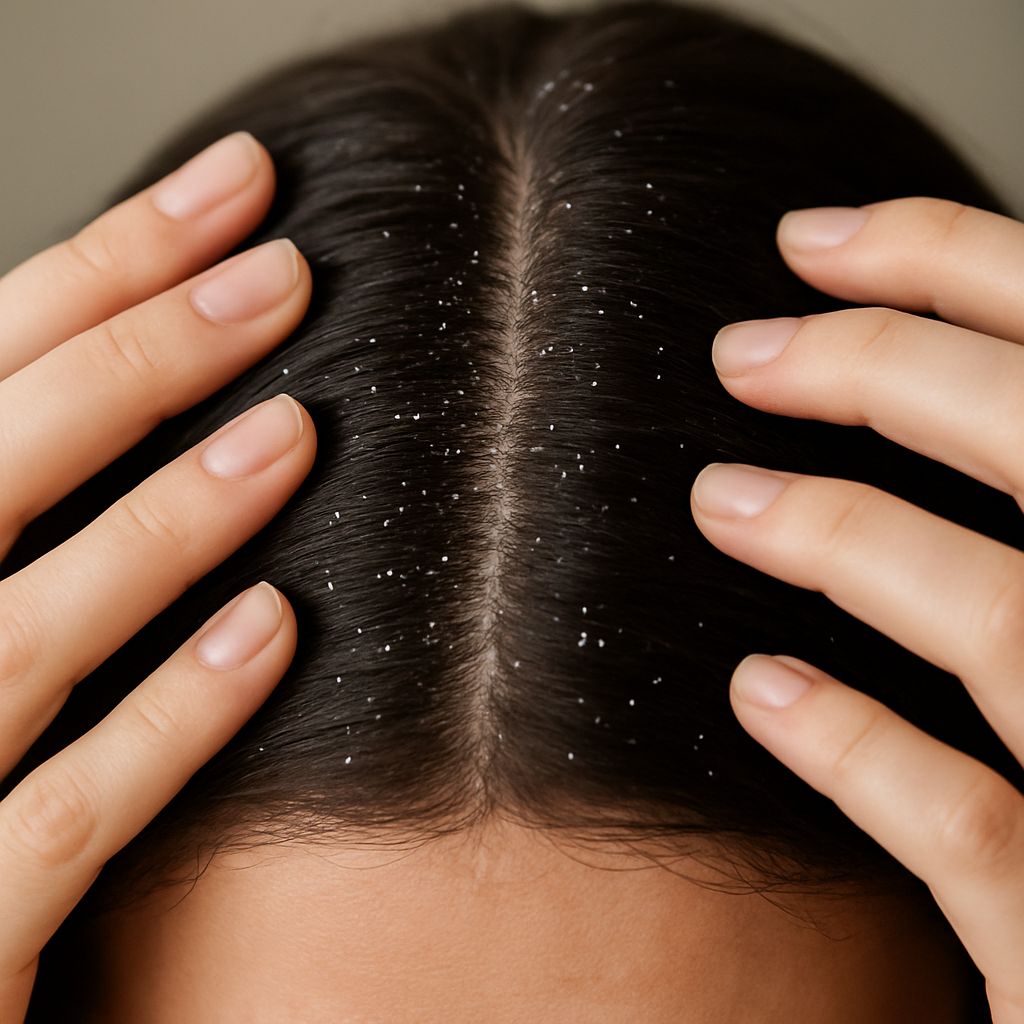
Does Dandruff Cause Hair Loss? What the Evidence Says
The question “does dandruff cause hair loss?” comes up constantly in hair care conversations, and the answer is more nuanced than a simple yes or no. Dandruff by itself — the shedding of dead scalp skin driven by Malassezia yeast overgrowth — doesn’t directly destroy hair follicles. But the relationship between dandruff and hair loss isn’t zero either. Can dandruff cause hair loss indirectly? Yes, through the mechanism of scratching and scalp inflammation. This distinction matters when you’re deciding how to treat the problem.
Dandruff and hair loss often appear together, but correlation isn’t causation. Both conditions may share underlying triggers: scalp inflammation, seborrheic dermatitis, or hormonal factors. Dandruff causes hair loss concerns when the scalp’s health is compromised enough to affect the growth cycle. Hair loss and dandruff occurring simultaneously usually need to be evaluated together rather than treated as two completely separate issues.
How Dandruff Could Contribute to Hair Loss
Scratching and Scalp Trauma
This is the most direct link. Dandruff causes itching, and repeated scratching creates micro-abrasions and inflammation at the follicle level. Chronic inflammation around a hair follicle can shorten the active growth phase (anagen) and push hairs into the shedding phase (telogen) earlier than normal. Does dandruff cause hair loss this way? It can — though the hair typically regrows once the scalp is healthy again.
Seborrheic Dermatitis
Severe dandruff that crosses into seborrheic dermatitis involves stronger inflammation, thicker scale buildup, and more sustained follicular irritation. Can dandruff cause hair loss in seborrheic dermatitis? More significantly, yes. The flares of seborrheic dermatitis can create conditions that disrupt normal hair cycling in the affected areas. Treatment of the underlying dermatitis typically results in hair regrowth.
Malassezia and Follicle Health
Research has shown that Malassezia produces oleic acid and other byproducts that can irritate the scalp and contribute to follicular microinflammation. Whether this is sufficient on its own to cause meaningful hair loss is still debated in the dermatology literature, but keeping Malassezia populations controlled through appropriate dandruff treatment reduces this risk.
What Causes Both Dandruff and Hair Loss Simultaneously
When dandruff and hair loss appear at the same time, the underlying driver is often one of these:
- Hormonal shifts: Postpartum, menopause, or thyroid changes affect both sebum production (which feeds dandruff-causing yeast) and hair cycling
- Nutritional deficiencies: Low zinc, biotin, or iron levels are associated with both scalp health issues and hair shedding
- Stress: Chronic stress triggers telogen effluvium (diffuse hair shedding) and can worsen seborrheic dermatitis
- Androgenetic alopecia: In people with genetic hair loss predisposition, scalp inflammation from dandruff may accelerate the process
Treating Both Dandruff and Hair Loss
Addressing dandruff and hair loss together means treating the scalp condition first:
- Use a medicated anti-dandruff shampoo (zinc pyrithione, ketoconazole, or selenium sulfide) 2–3 times per week consistently
- Avoid scratching — use the shampoo to control itch rather than scratching
- Check for nutritional deficiencies with a blood test if hair loss is significant
- If hair loss continues after 3–4 months of controlled dandruff, see a dermatologist to rule out androgenetic alopecia or alopecia areata
Hair loss and dandruff that improve together after treating the scalp confirm that dandruff was at least a contributing factor. Hair loss that continues after dandruff is controlled suggests an independent cause.
When to See a Dermatologist
See a dermatologist when: hair loss is more than the normal 50–100 hairs per day, you notice patchy bald spots, your scalp looks red or inflamed beyond typical dandruff, or standard anti-dandruff shampoos haven’t improved your dandruff and hair loss after 6–8 weeks of consistent use.
Next steps: Start treating dandruff consistently with the right medicated shampoo and resist scratching for at least 6–8 weeks. Photograph your scalp monthly to track changes objectively. If hair loss doesn’t slow alongside dandruff improvement, schedule a dermatology appointment for a scalp assessment.


Leave a Reply